The archive room.
The archive now combines recovered historical material with one intentionally small modern experiment: a local ADS-B receiver operated by KjM. The historical database remains preserved separately, while the live exhibit shows only aircraft actually heard by that one antenna.
What does KjM see today?
While restoring the old infrastructure, an RTL-SDR receiver was connected to a Raspberry Pi 5 in Balatonszárszó, Hungary. readsb decodes the local 1090 MHz traffic and a tiny ACARSd feeder sends snapshots into the restored database every fifteen minutes.
This is not a global tracking feed. It contains only aircraft received by KjM's own antenna — a small live epilogue to the archive.
RTL-SDR / 1090 MHz
        ↓
      readsb
        ↓
 Raspberry Pi 5
        ↓
 ACARSd feeder
        ↓
  restored DB
        ↓
“What does KjM see today?”The boxes behind the data.
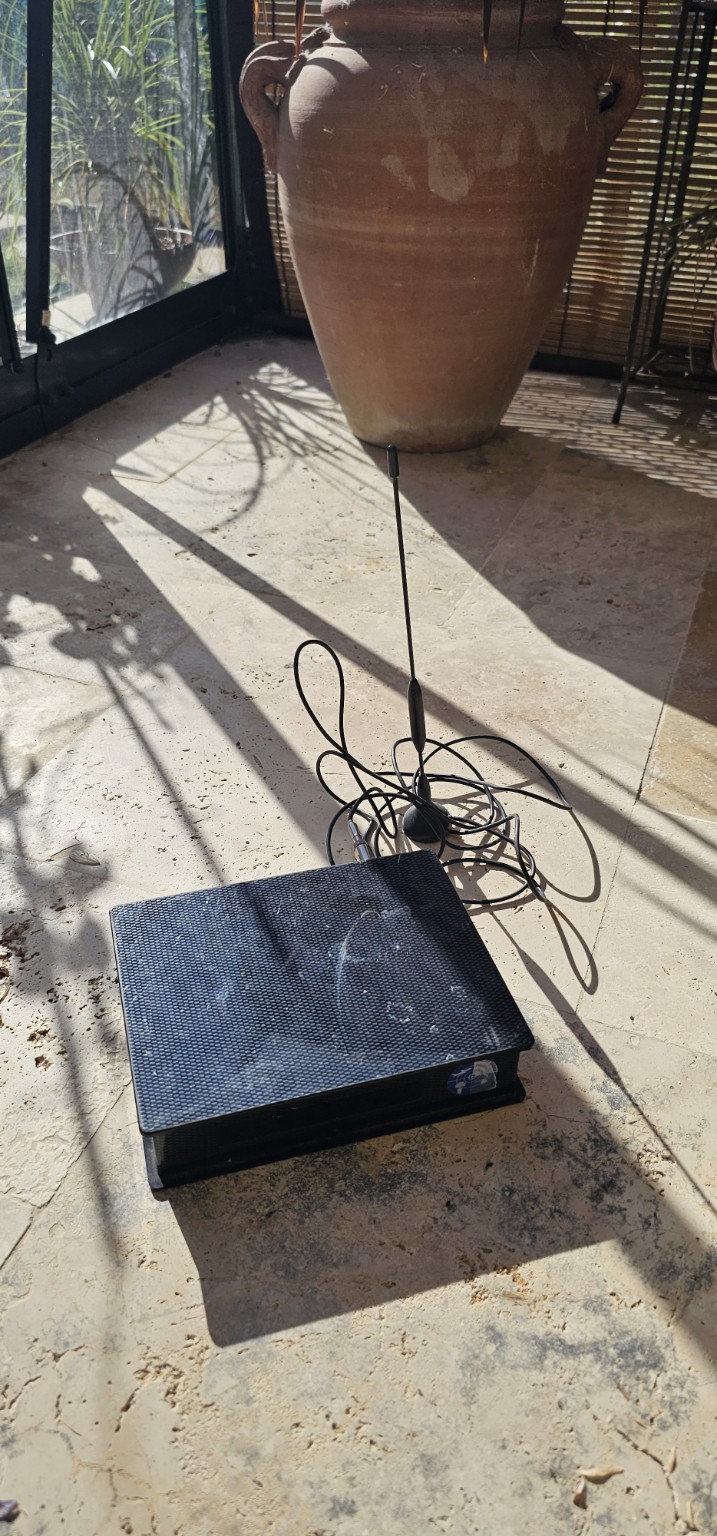
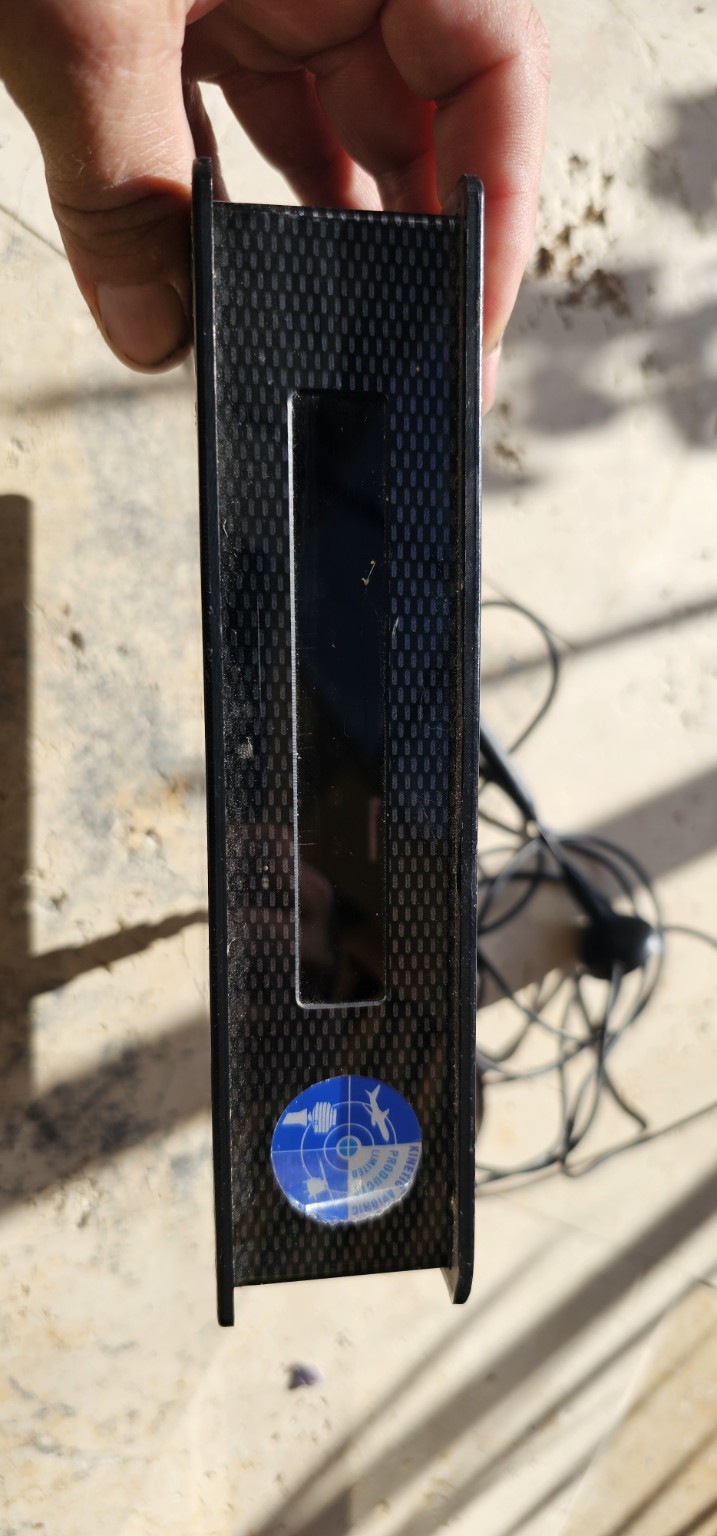
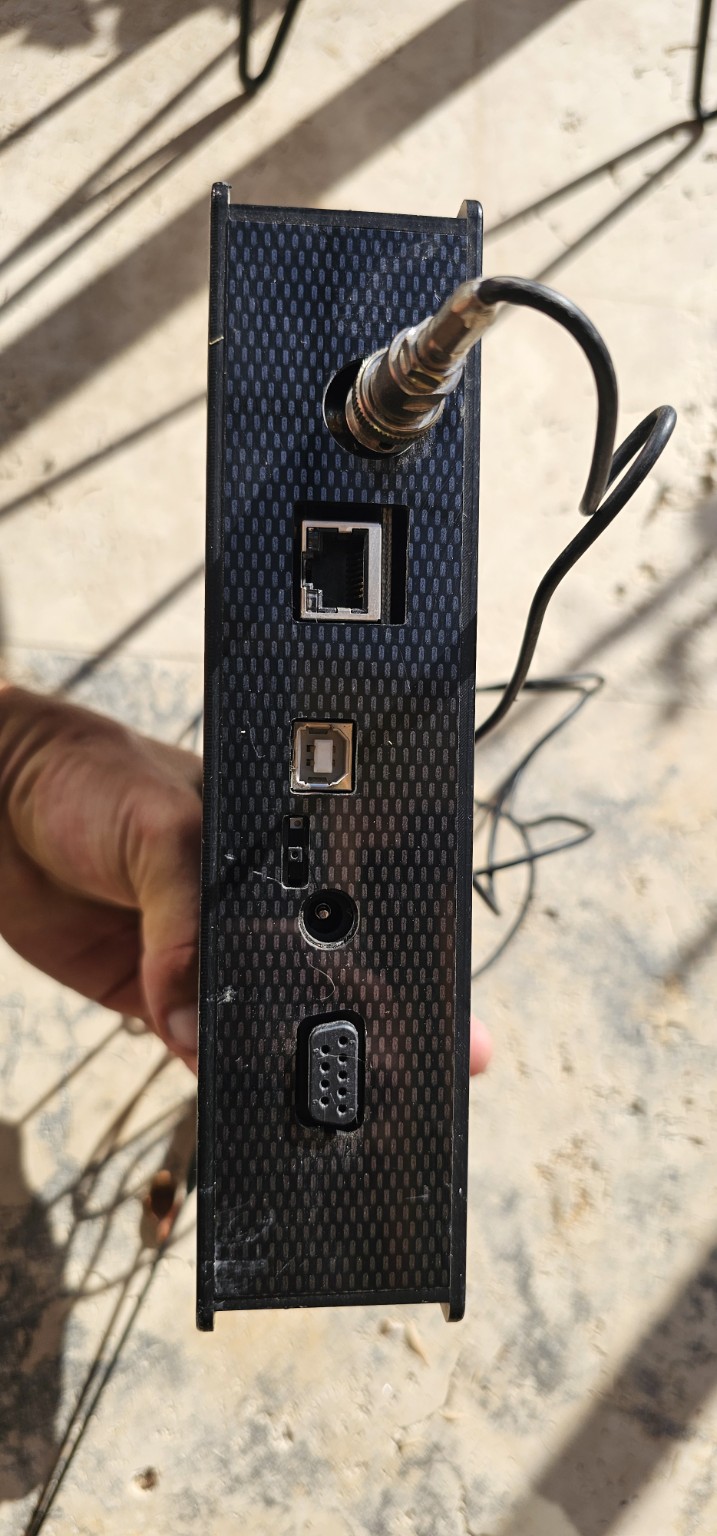
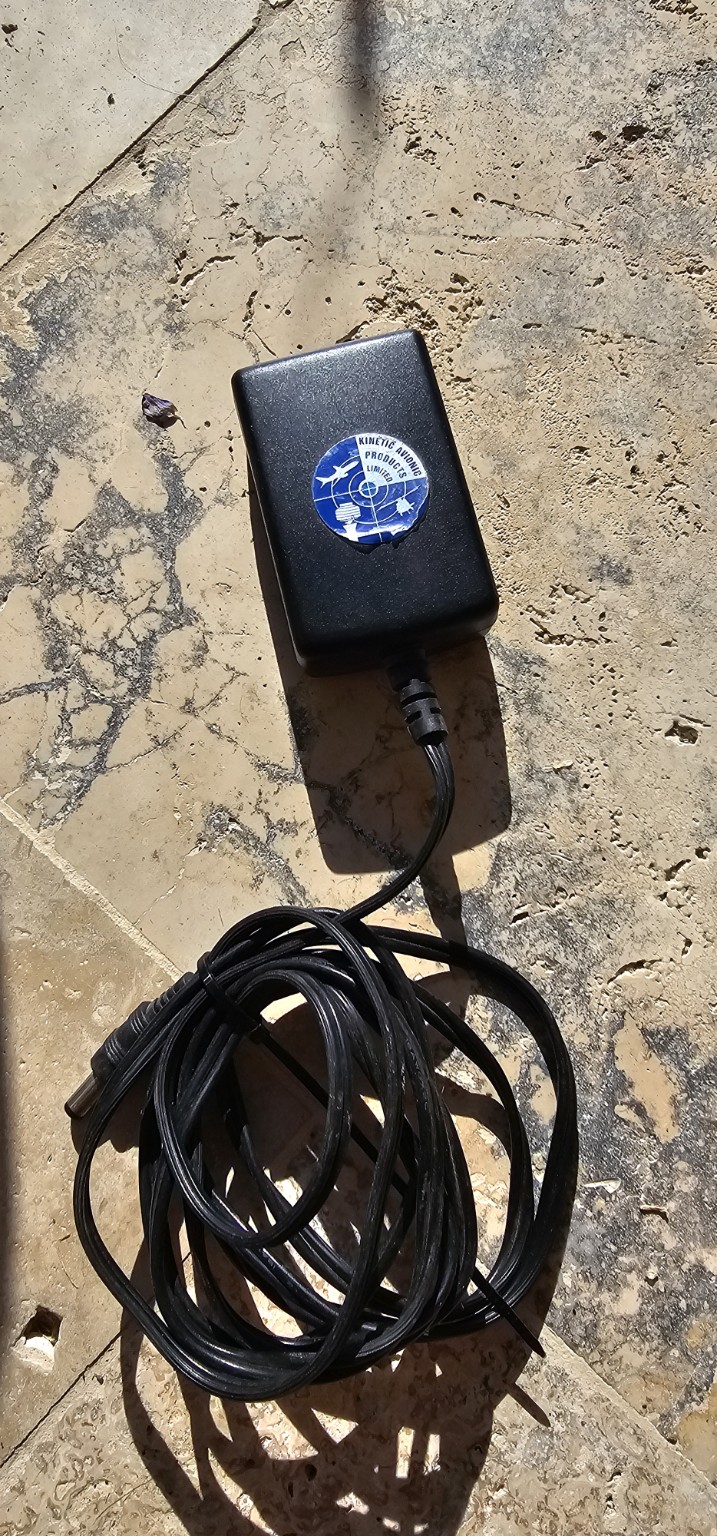
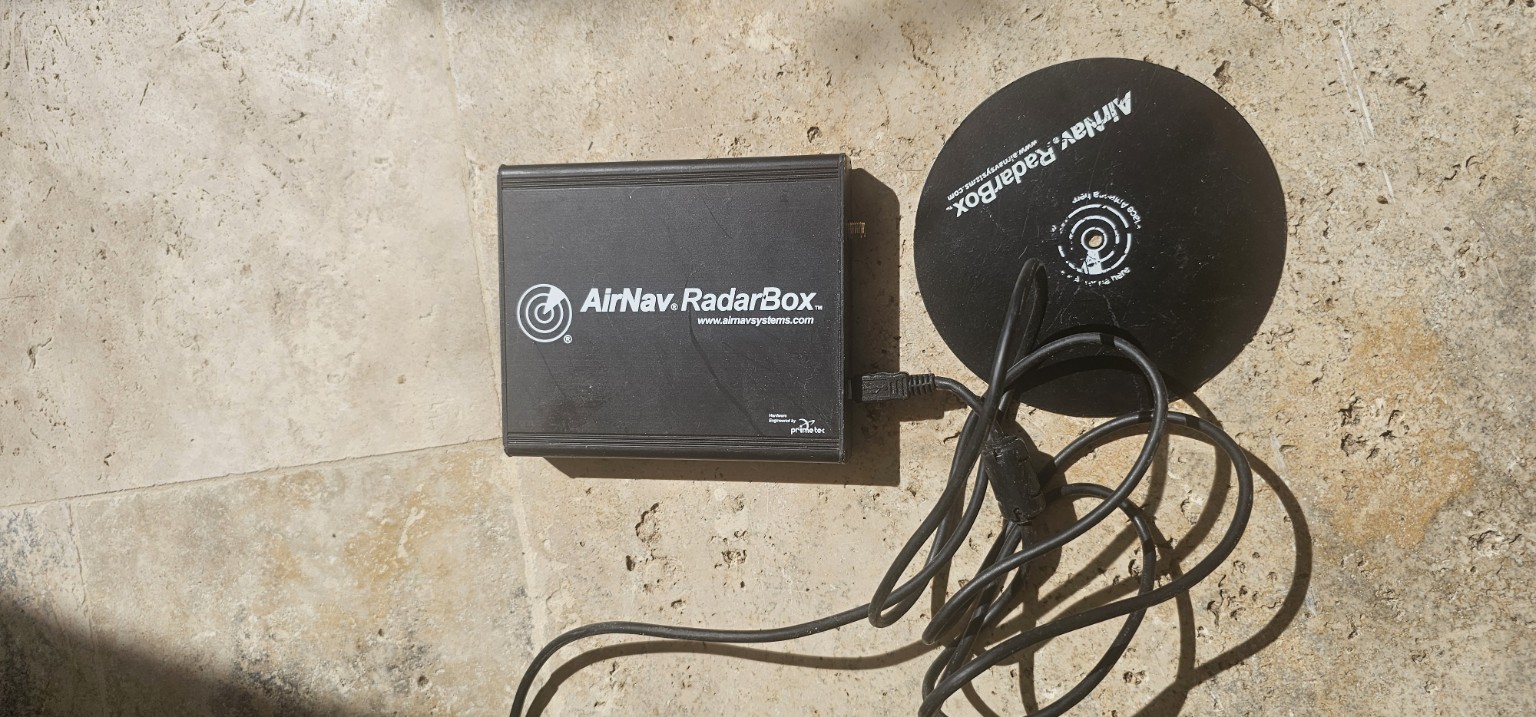
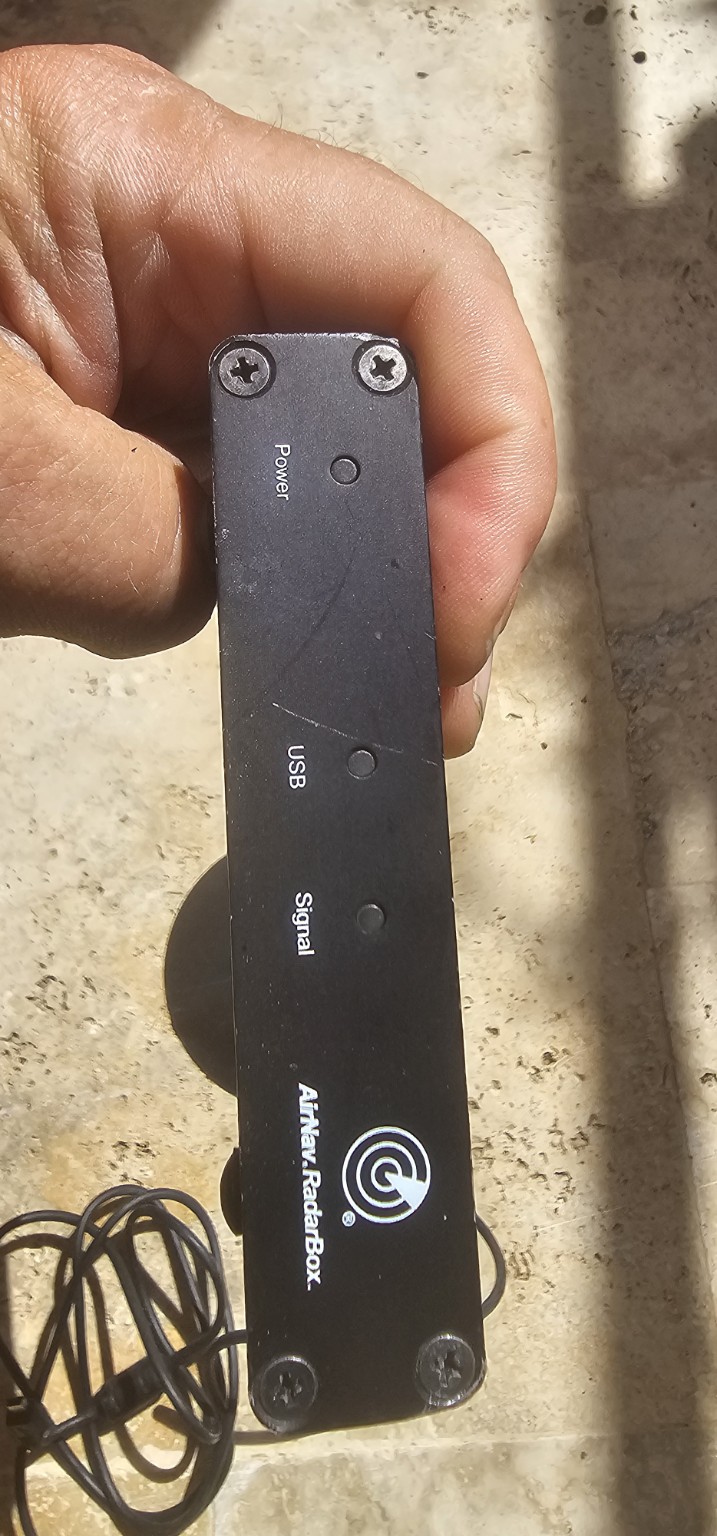
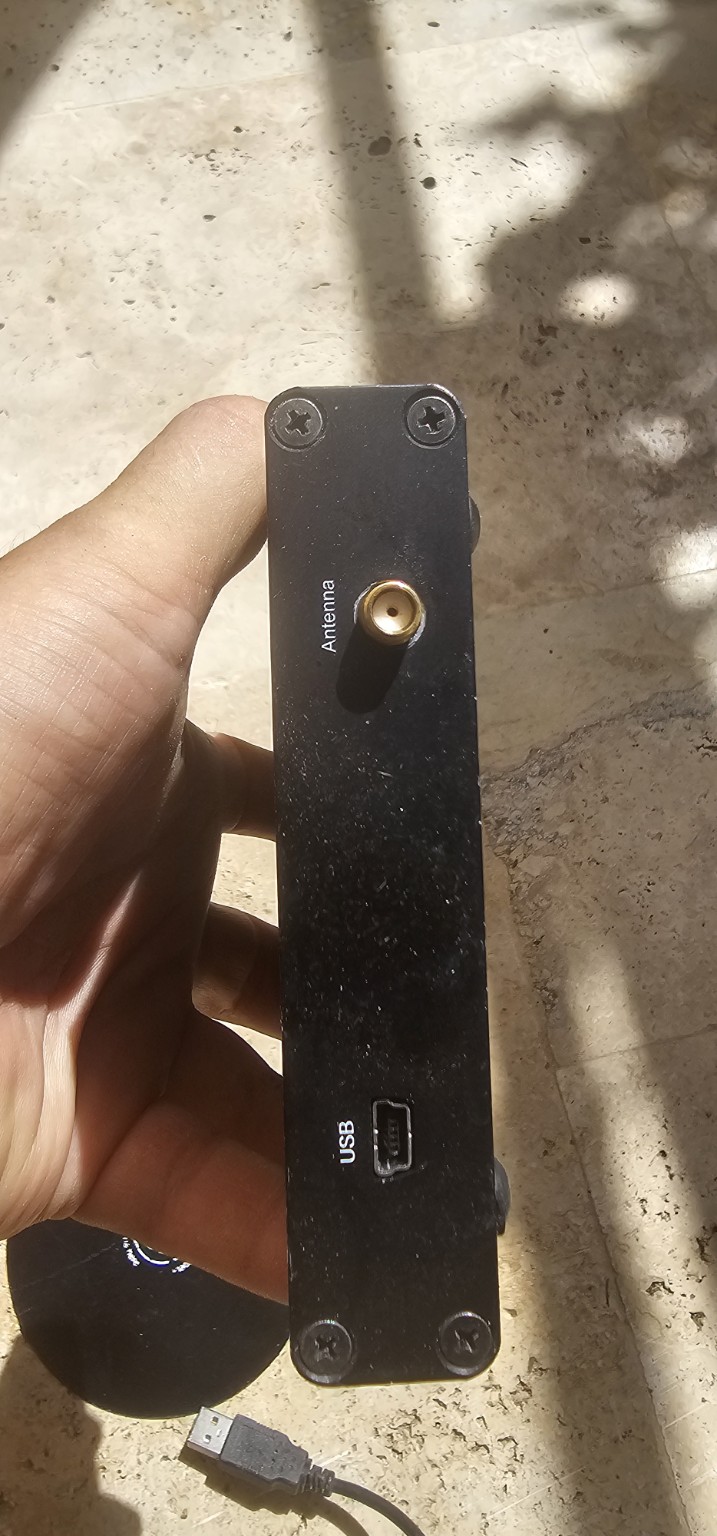
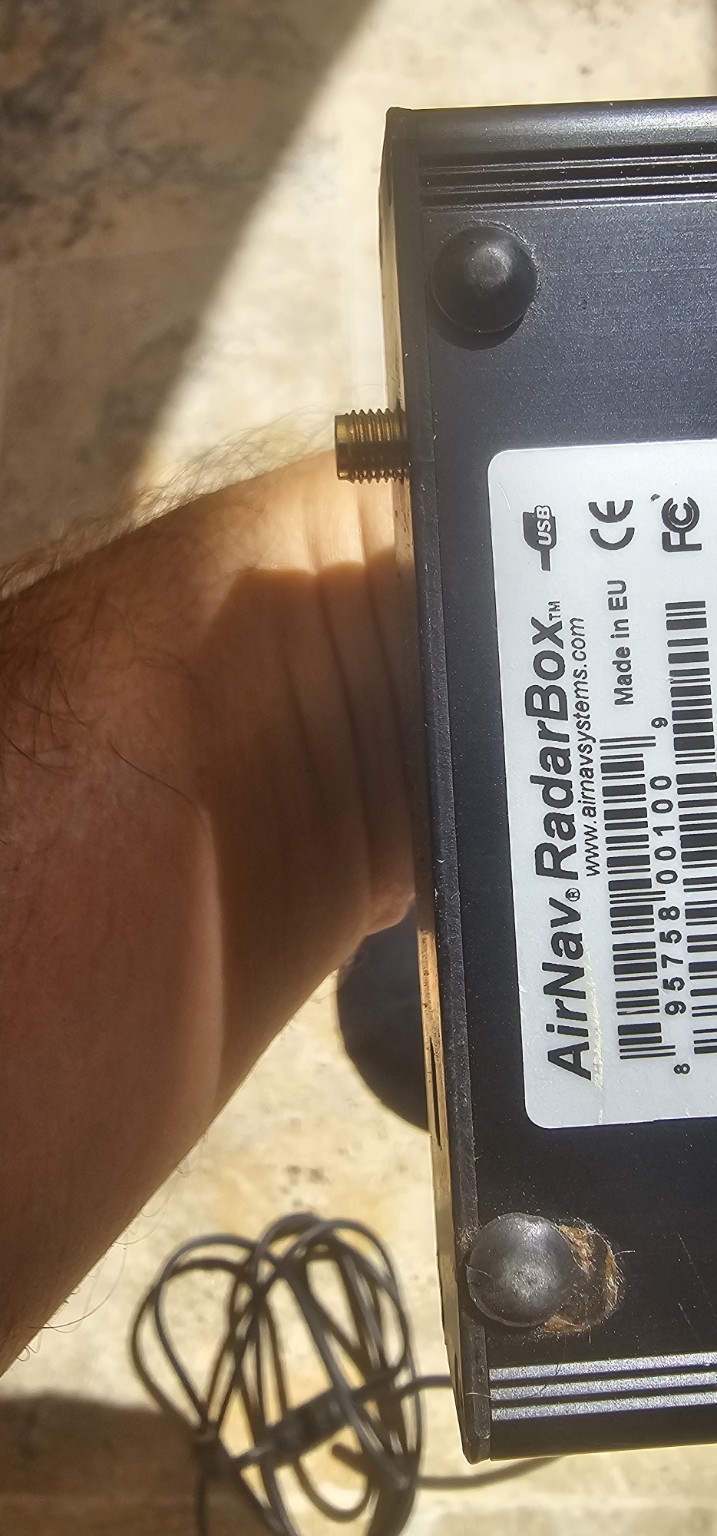
The physical receiver chapter is now being reconstructed as well: scanner/audio hardware, the Kinetic SBS-1, AirNav RadarBox and the inexpensive RTL-SDR that brought the museum back on the air in 2026. Original photographs of the surviving SBS-1 and RadarBox are now preserved here; the hardware archive will continue to grow as more equipment is documented.
What survives
The recovered material already spans three different types of evidence: executable project source, historical web content and developer documentation.
The World ACARS Report
By 2006 the network had grown far beyond a local decoder. The first World ACARS Report preserved a worldwide snapshot assembled by acarsd.org from the distributed data stream.
Worldwide ACARS log
Location: worldwide

Created by: www.acarsd.org
Free ACARS decoder for Linux and Windows

ACARS LOG 0000 20060102 to 2359 20060102
  Messages:      16081
  Flights:       16081
  Registrations: 16081

G-BNLL   (B744  BA)  BA0143  (LHR-DEL)
D-ABAS   (B738  AB)  AB8265  (MAN-HAM)
N809NW   (A333  NW)  NW0052  (DTW-FRA)
This small extract also shows why the flight-translation work mattered: raw operational identifiers became recognisable flights and routes. The complete historical report remains an archival artifact rather than a live-data service.
Forgotten pieces of the ecosystem.
The restored 139 MB website archive preserves original public download packages as well as the pages that described them.
The /download/ directory is alive again.
Selected unnecessary files were removed, but the surviving ACARSd releases, Windows packages, clients, libraries, documentation and legacy version directories have been restored at their original public path.
Not a supported release channel.
The files are preserved for research, enthusiasts and software archaeology. Modern operating-system compatibility is intentionally not promised unless a specific build has actually been tested.
2,096 valid WORLD ACARS reports survived.
The surviving directory contains 4,072 files. The final importer classified 2,096 as structurally valid WORLD ACARS Reports and 1,976 as invalid or non-WAR files. The public browser continues to expose the useful preserved reports under the original /world_ACARS_reports/ path.
114,328,158 message rows.
The binary rescue recovered 1.73 million client uploads containing 72.79 million ACARS records. The completed WORLD-report import then restored additional non-duplicate historical material and source provenance. A direct count on 30 August 2026 verified 114,328,158 rows in the searchable messages table.