When lines of aircraft data became part of real-world stories.
ACARSd began as a free Linux decoder and a network for enthusiasts. Over the years, its live feeds and historical archive were sometimes useful far beyond the hobby itself.
These accounts combine KjM's personal recollections with independently documented facts. Where a connection cannot yet be proven from surviving contemporary records, the museum says so explicitly.
2009 — Air France AF447: searching the archive
After Air France flight AF447, Airbus A330 F-GZCP, disappeared over the Atlantic on 1 June 2009, KjM remembers receiving a call from an organisation involved in research surrounding the accident. The caller asked whether the ACARSd database contained messages from that particular aircraft.
Open the F-GZCP museum exhibit →
It did. The archive contained messages from F-GZCP up to close to the time of the accident, as well as older historical traffic from the same airframe. KjM was asked to provide the historical ACARS messages available for the registration.
Among the older records were messages referring to oil-pressure related issues. At a time when nobody outside the official investigation knew the cause of the loss, any previous technical anomaly naturally looked interesting. Those older oil-pressure messages ultimately proved unrelated to the accident.
The official French BEA investigation records that a position message and 24 maintenance messages were transmitted by ACARS between 02:10 and 02:15 UTC. The investigation ultimately identified temporary inconsistency in measured airspeeds following obstruction of the Pitot probes by ice crystals, followed by loss of control and a sustained stall. The BEA also used ACARS data in reconstructing the flight path during the early investigation.
2015 — Germanwings 4U9525: a call from an old radio colleague
On 24 March 2015, KjM was on holiday in Thailand when an old friend from his SWF3/SWR3 years called and asked what he made of the Germanwings accident in the French Alps.
KjM looked at the flight data available to him — including the descent profile and the way the aircraft was moving — and gave an immediate personal interpretation:
“It looks as if somebody wanted to land the aircraft there.”
The answer from Germany was equally memorable:
“Kai, we can't put something like that on air.”
And that was the correct journalistic response at the time. It was an interpretation of incomplete data immediately after a catastrophe, not an established fact.
The BEA investigation later found that, while the co-pilot was alone in the cockpit, the selected altitude was changed from 38,000 ft to 100 ft and the aircraft began a continuous, controlled descent on autopilot. The museum does not claim that the data KjM saw could establish the cause; the anecdote records only what the flight profile suggested to him at that moment.
9–12 September 2001 — Siberia, and the day the world changed
In 2001, Dr. Armin Zundel offered KjM an unusual opportunity. Armin was travelling to Novosibirsk to visit a company he was considering for freelance cooperation or acquisition and asked whether KjM wanted to come along. There was only one possible answer: of course.
On 9 September 2001, KjM first flew from Budapest to Frankfurt with Malév. Severe weather made the arrival memorable before the real journey had even begun: the aircraft only managed to land on the third approach. That evening KjM and Armin were taken by bus to their Sibir Airlines flight to Novosibirsk.
KjM proudly told Armin that their Tupolev Tu-204 was relatively new for a Russian aircraft. Then they saw it. To KjM, the fuselage seemed to consist of an alarming collection of externally riveted patches. Armin looked at the aircraft and asked:
“Are you sure we can fly seven hours in that?”
They could. The disturbing part of the trip came two days later.
On 11 September 2001, KjM and Armin were sitting in a restaurant in Siberia when an SMS arrived from a friend in Germany: an aircraft had crashed into the World Trade Center. KjM initially assumed it was a joke because his friend knew he was far away. A little later another message arrived: a second aircraft had hit the other tower.
KjM sent an SMS to his then-wife, who was in Hungary, asking her to switch on the television and tell him whether anything strange was happening. Her reply made the scale of the event clear: aircraft had crashed in the United States, the World Trade Center had collapsed and the Pentagon had been hit.
KjM and Armin asked the restaurant staff to switch on the television. From Siberia they watched the events of 11 September unfold and understood that they were not looking at an ordinary aviation accident.
They began the journey home on 12 September, flying from Novosibirsk to Frankfurt via Moscow. The first flight was delayed by around six hours. By the time they finally sat aboard the Moscow–Frankfurt sector, KjM was exhausted. He turned to Armin and made a tired joke — unfortunately loud enough for the passenger in front to understand:
“Wake me shortly before we hit the Kremlin.”
The man in front did not appear to find it funny.
Frankfurt Airport felt completely different when they arrived. KjM remembers an eerily empty terminal and armed soldiers throughout the airport. They had left only a few days earlier for what was supposed to be an unusual business trip. While they were away, the world had changed.
Two days before
The rediscovered paper-photo scans add a visual prologue to the trip. Because the Malév morning flight left KjM with time to spare at Frankfurt on 9 September 2001, he spent it on the airport visitors’ terrace. Among the aircraft photographed there were types that have since disappeared from scheduled passenger service, including Air Transat Lockheed L-1011 TriStar C-FTNG and Japan Airlines MD-11 JA8583.
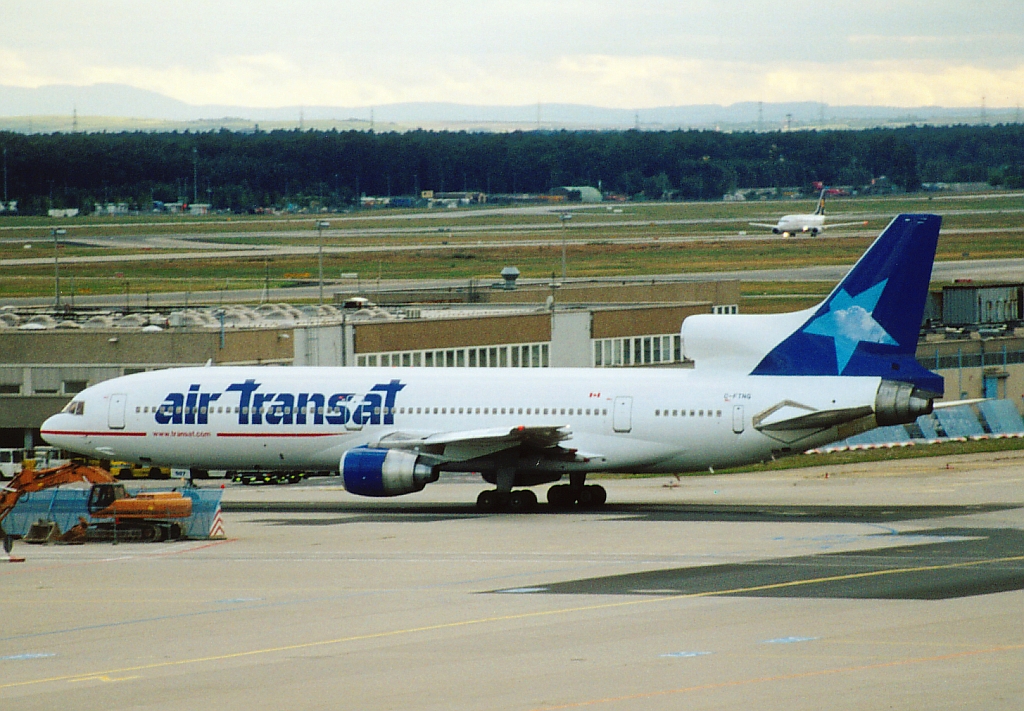
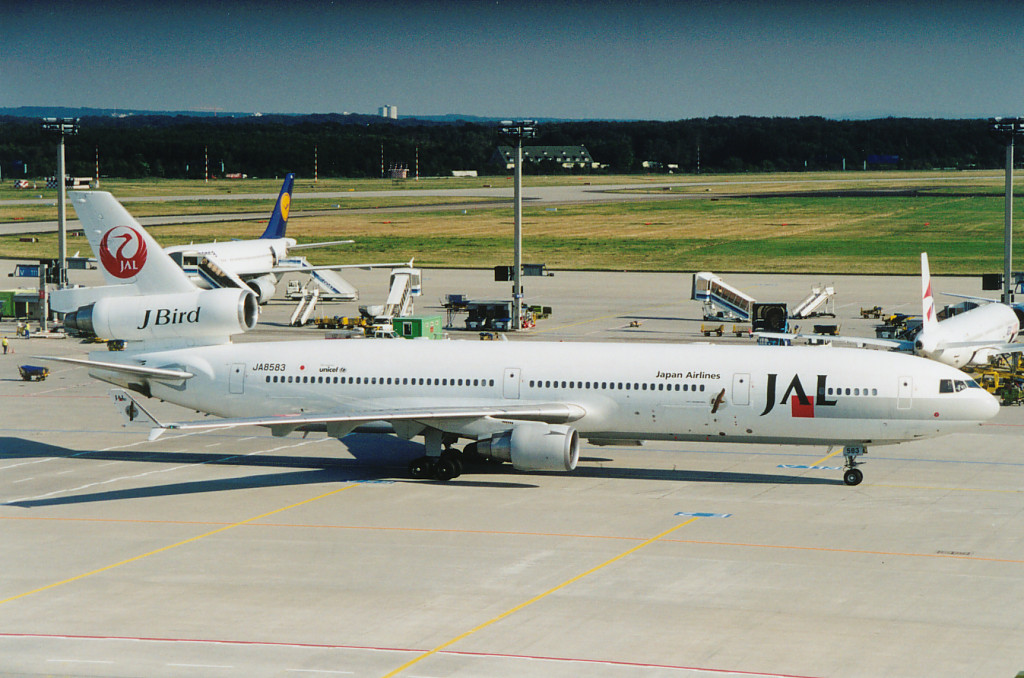
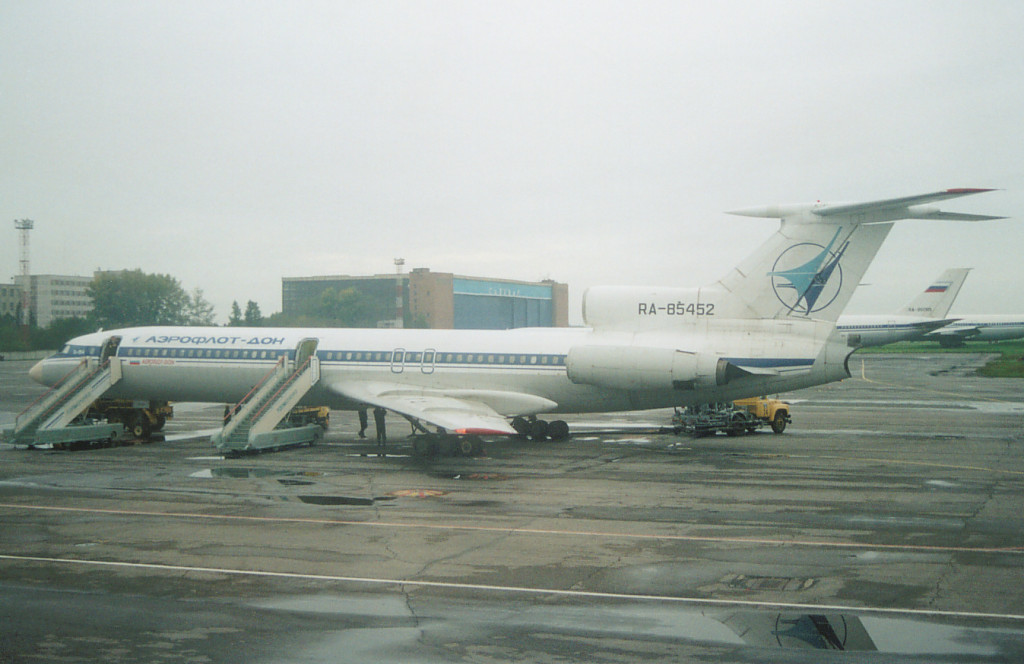
After landing in Novosibirsk, one paper photograph also survived of Aeroflot-Don Tupolev Tu-154B-2 RA-85452 on the wet apron.
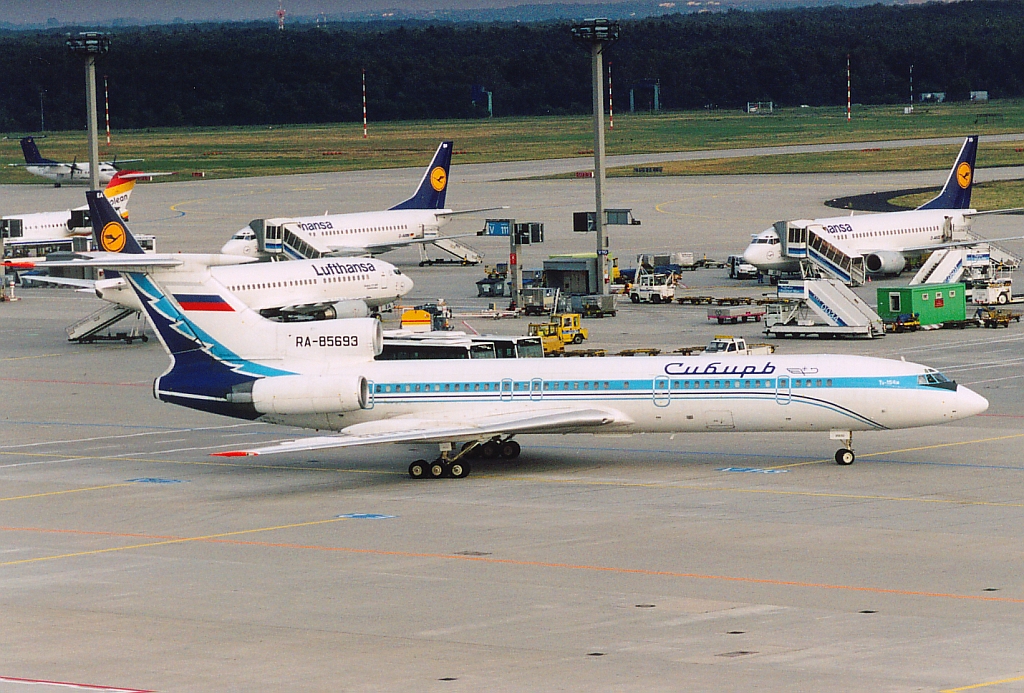
On 4 October 2001, Siberia Airlines Flight SBI 1812, Tupolev Tu-154M RA-85693, was destroyed over the Black Sea while flying from Tel Aviv to Novosibirsk. The aircraft was accidentally hit by an S-200 surface-to-air missile during a Ukrainian military exercise. All 78 people aboard were killed. Coming only weeks after KjM and Armin had returned from Novosibirsk on the same airline, the news gave the journey an even darker aftertaste.
When three engines were normal
The rediscovered SCANNER directory contains another accidental time capsule. In 2001, three-engined airliners and freighters were still ordinary enough around European airports that KjM simply photographed them as part of a normal spotting day. A quarter of a century later, the same frames document an almost vanished design era.
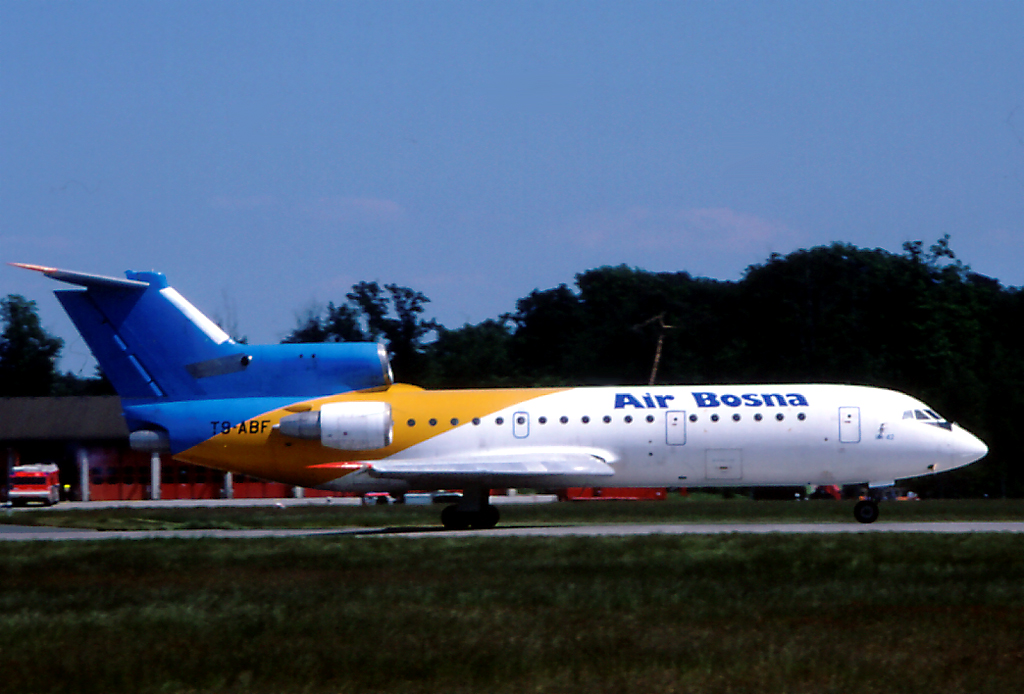
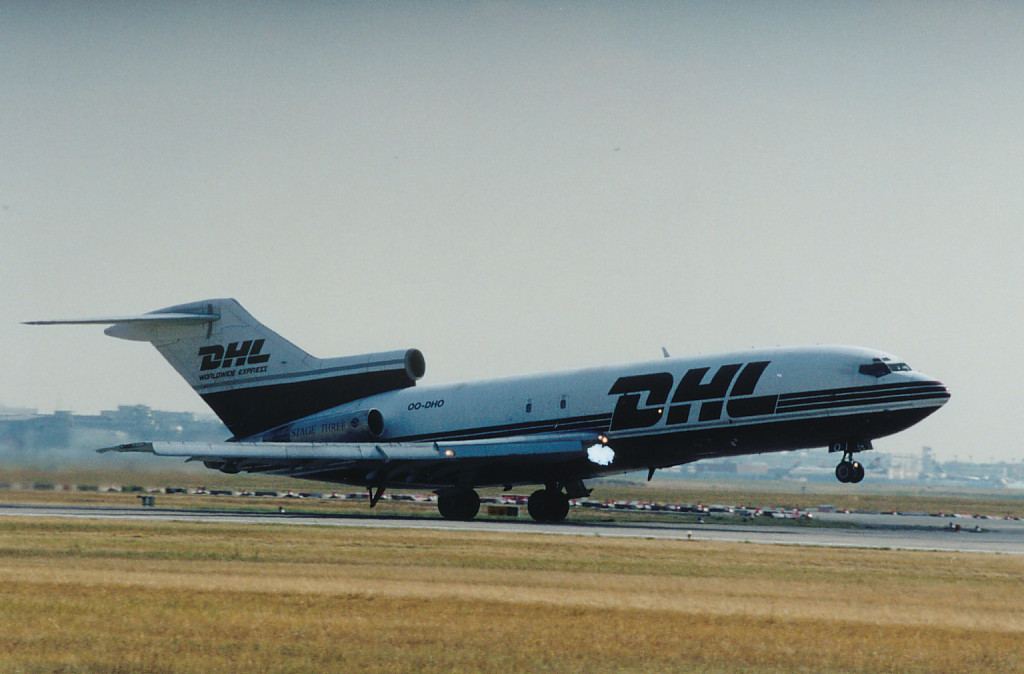
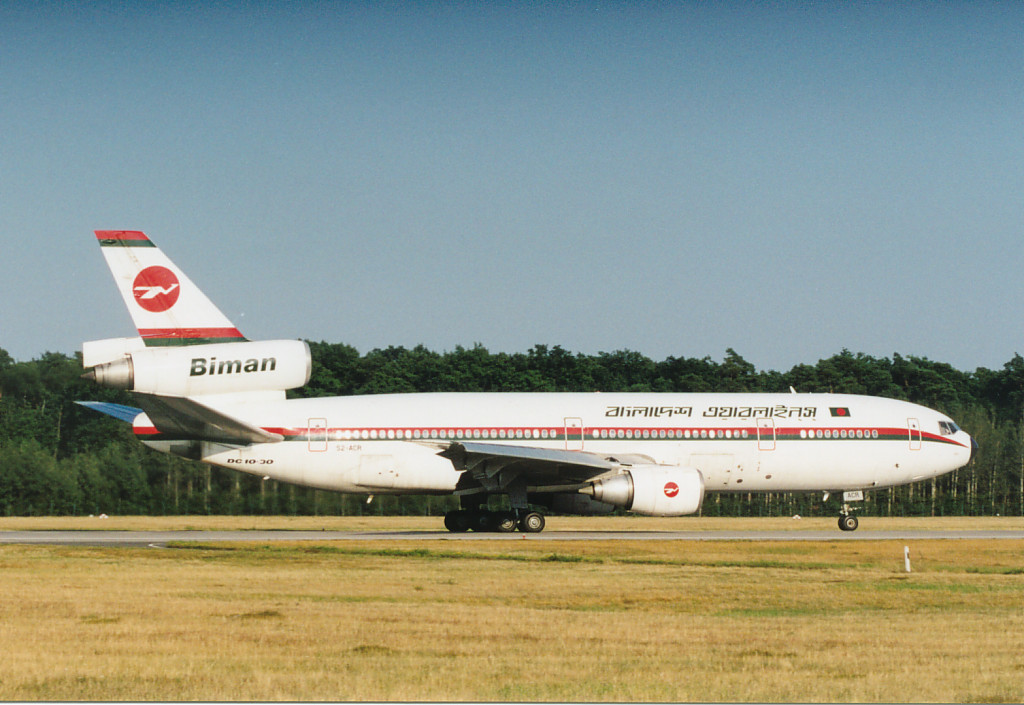
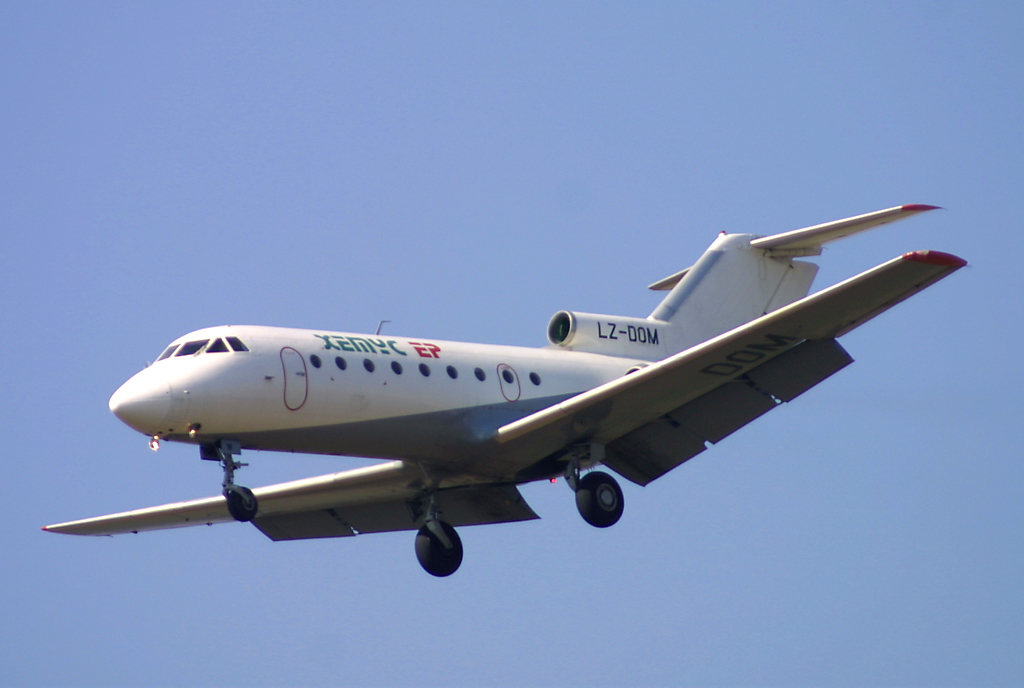
The same folder also preserves other types that have become rare sights. Belavia Tu-134 EW-85754 and Emery Worldwide DC-8 N785FT are not tri-jets, but belong to the same visual world of early-2000s spotting.
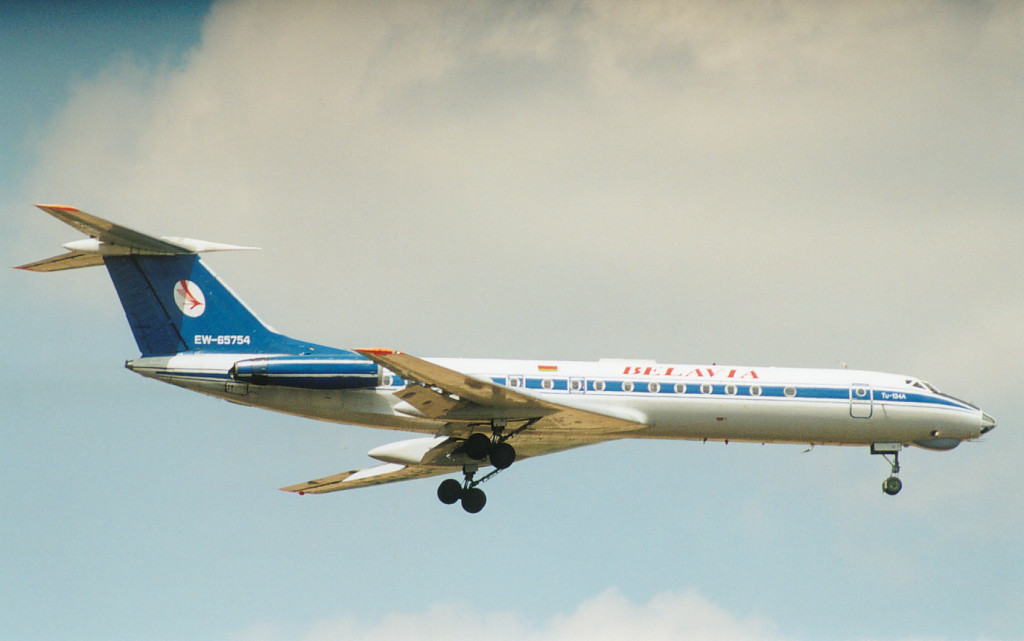
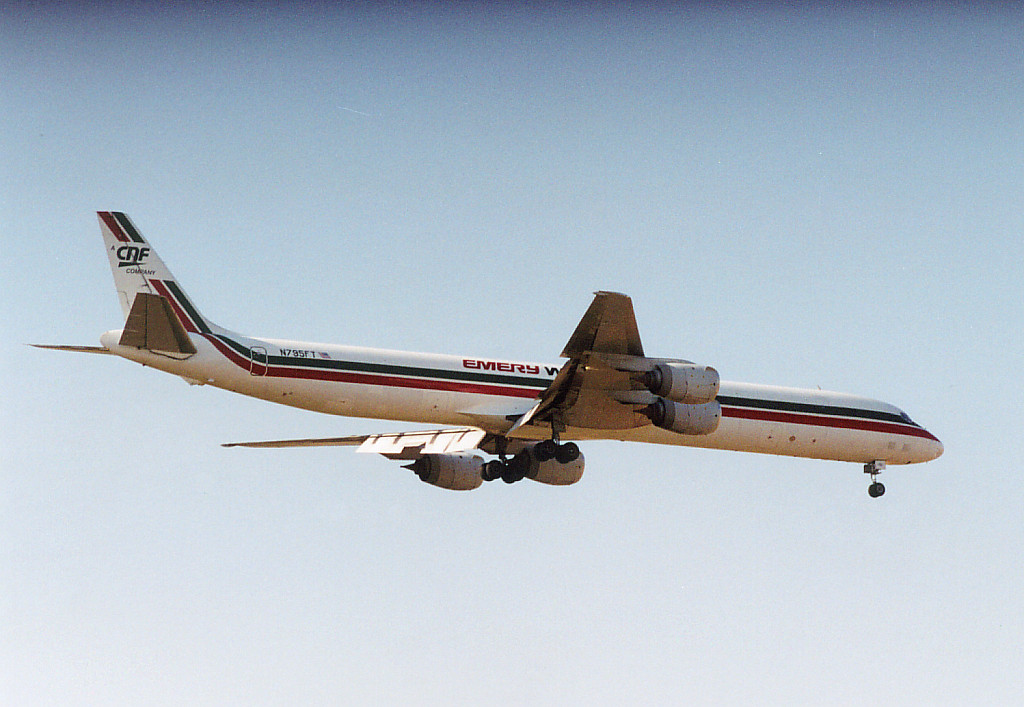
2001 — the Tupolev I always wanted to hear
One aircraft had a special place in KjM's aviation memories: Pannon Airlines Tupolev Tu-154M HA-LCX, based in Budapest and wearing a striking blue livery. He photographed it at Budapest in October 2001 and hoped that one day it would appear live in ACARSd. That never happened: Pannon Airlines disappeared before the project reached the point where this particular aircraft could become one of his ACARS contacts.
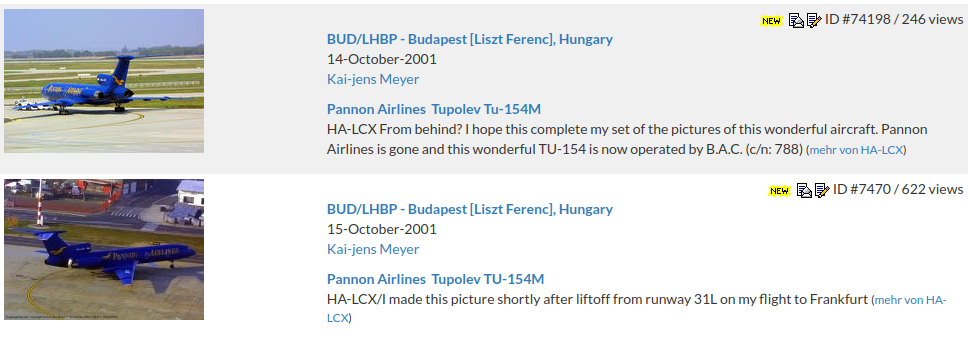
For many years KjM remembered that the aircraft itself had been lost around the end of Pannon Airlines. Research for this museum corrected that memory: HA-LCX continued flying under later registrations and operators. The important part of the story remains the same — the beautiful blue Budapest-based Tupolev he wanted to receive on ACARS disappeared from his local aviation world before he ever had the chance.
8 June 2003 — photographing HA-LOC
A few months after ACARSd's first successful live decode, KjM photographed the same registration at Budapest: Malév Boeing 737-8Q8 HA-LOC. The surviving Flugzeugbilder.de entry dates the photograph to 8 June 2003.

3 March 2003 — Debrecen: two Russian classics and a red Audi
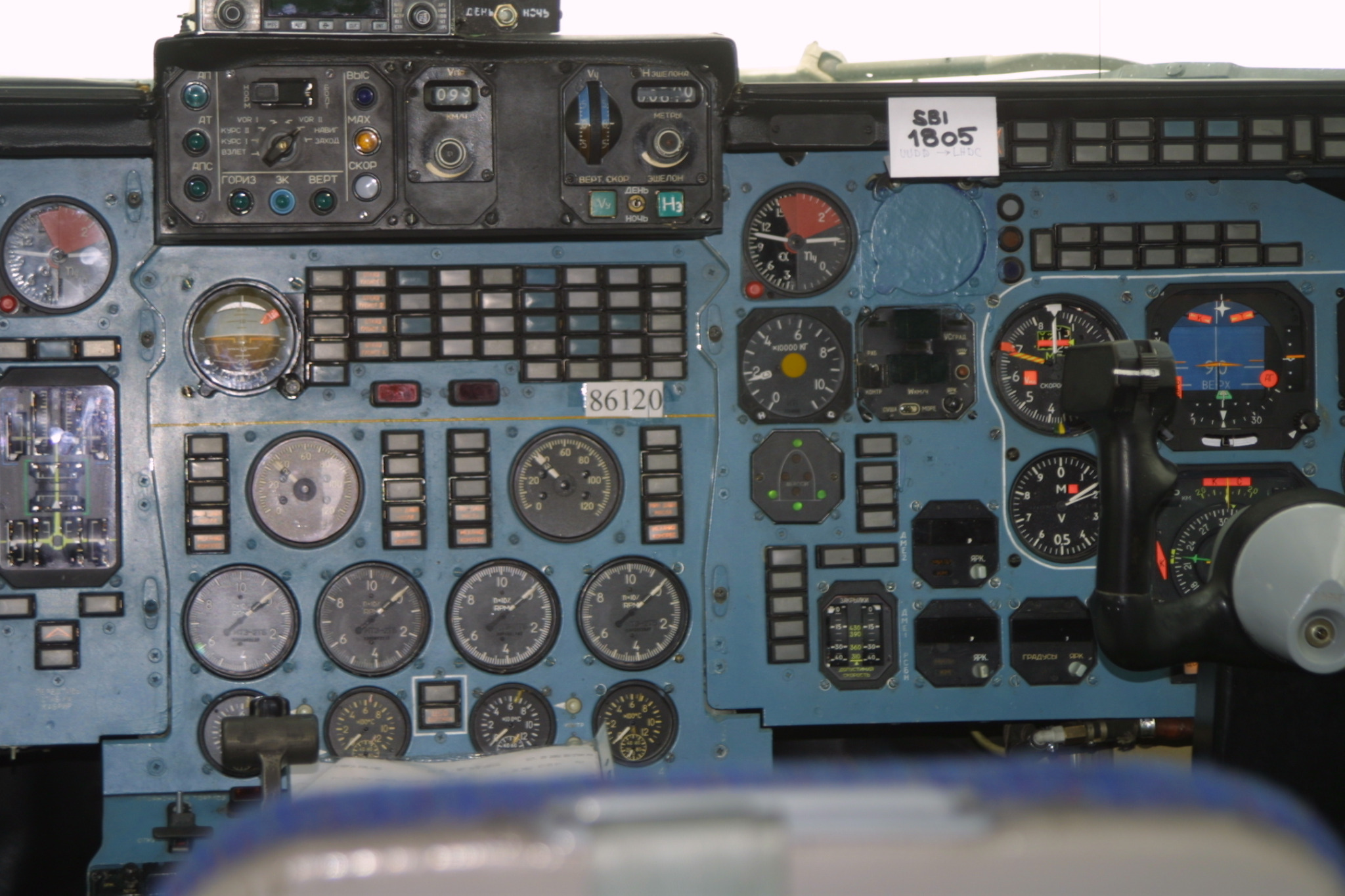
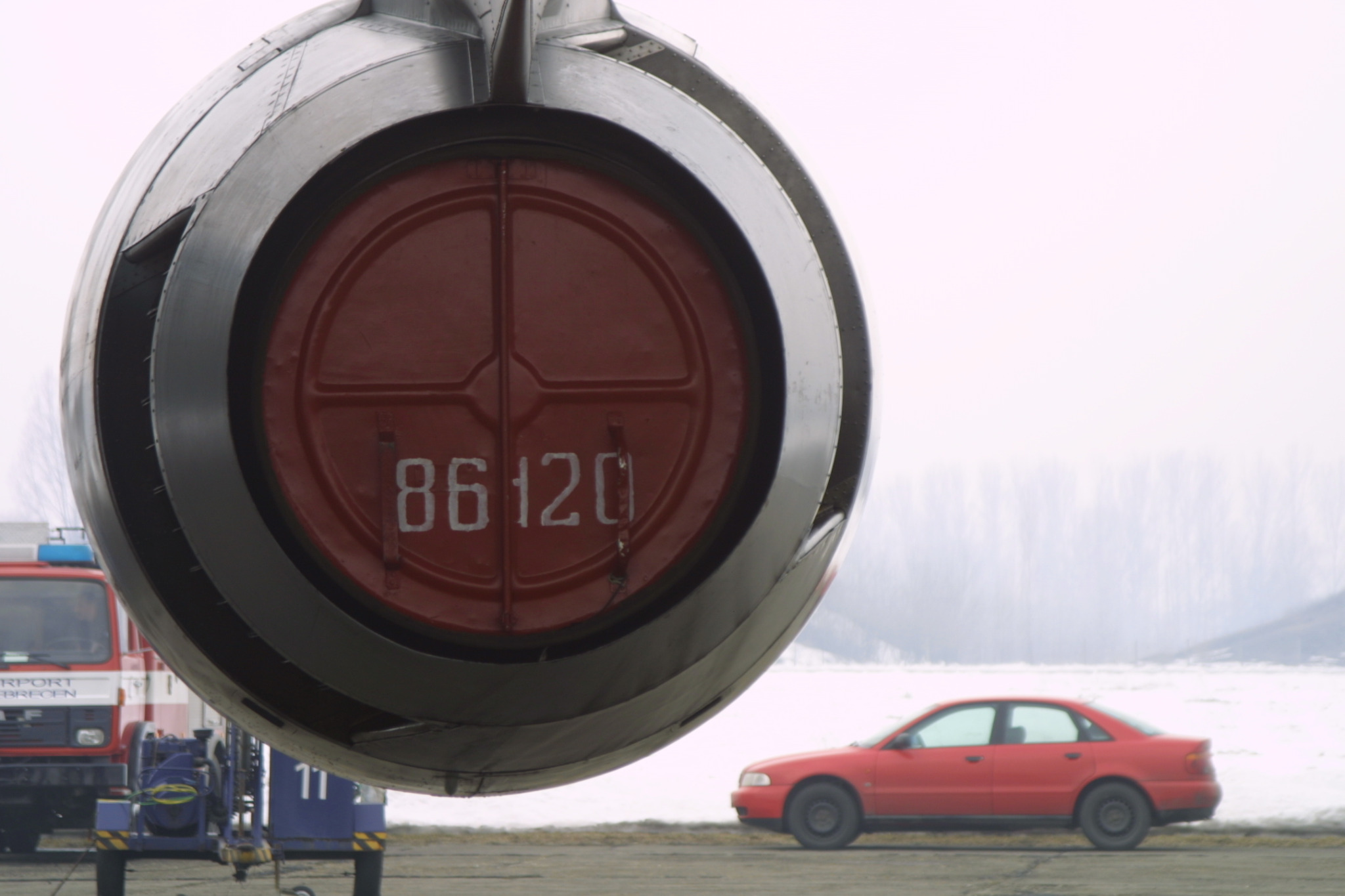
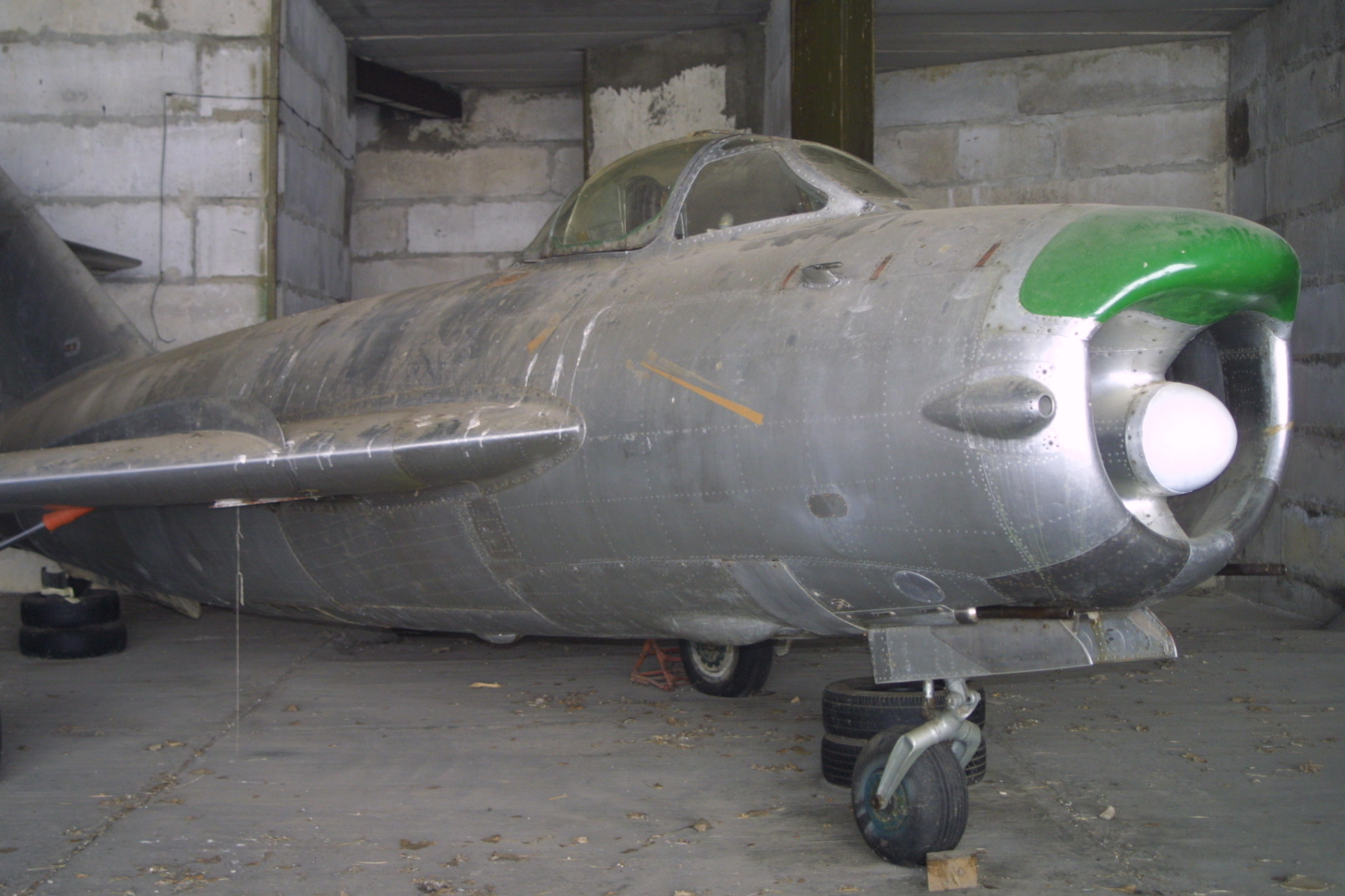
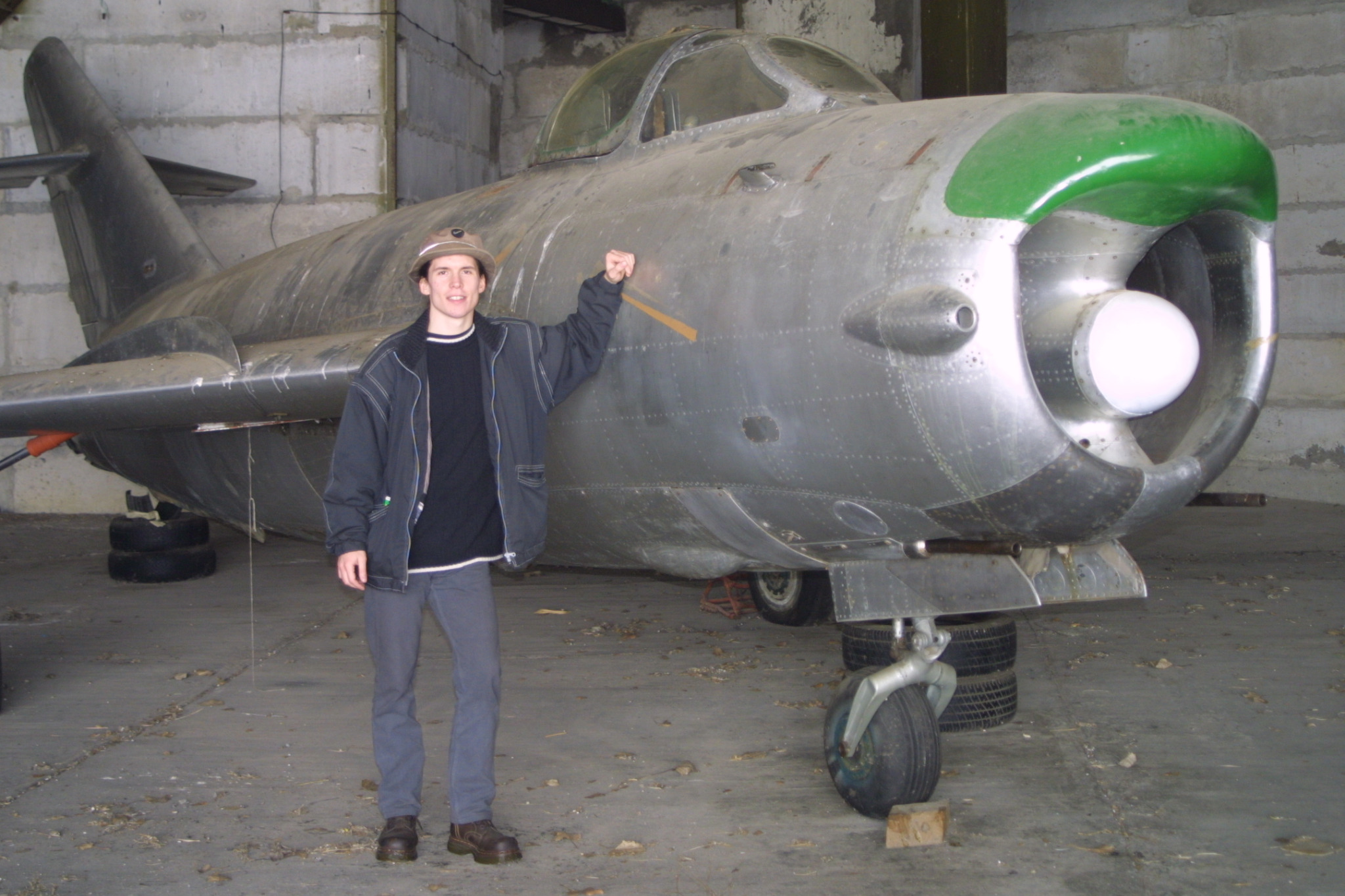
Debrecen Airport invited KjM and a group of Hungarian spotter friends for two unusual visitors bringing Russian passengers to an AMWAY convention: Ural Airlines Tupolev Tu-154B-2 RA-85459 and Siberia Airlines Ilyushin Il-86 RA-86120. Among the friends KjM particularly remembers was Tamás Martényi, a specialist in military aircraft who would also join the Linz trip a few weeks later.
The access was extraordinary. The group could inspect the aircraft inside and outside, and KjM was even allowed to drive his own red Audi around the apron and taxiways. His contemporary photo caption still records his disbelief: “I think this is not every day possible. Drive with my own car on the taxiways :)”
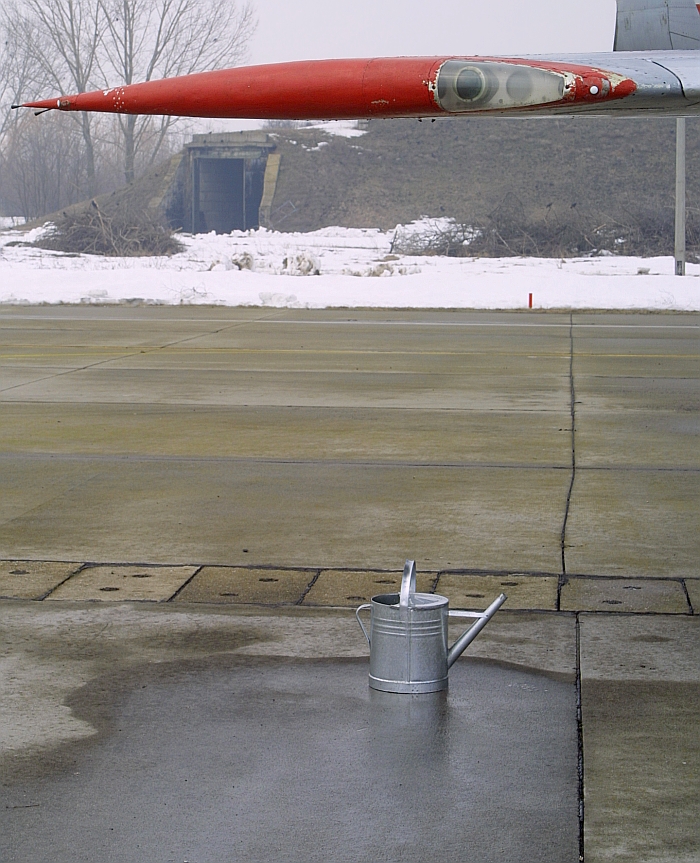
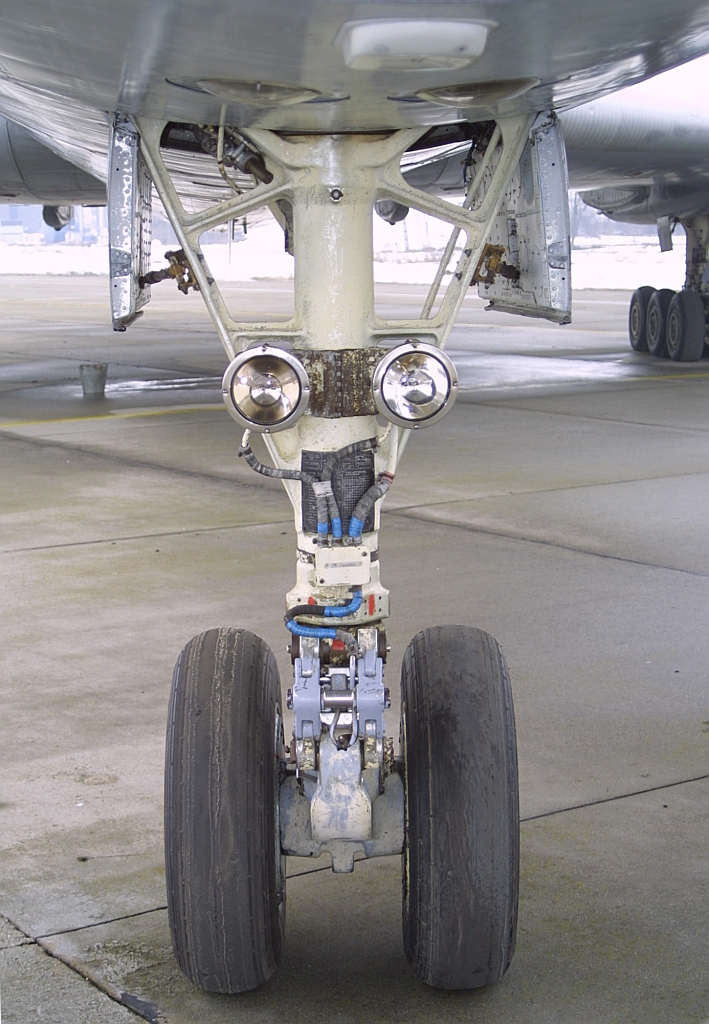
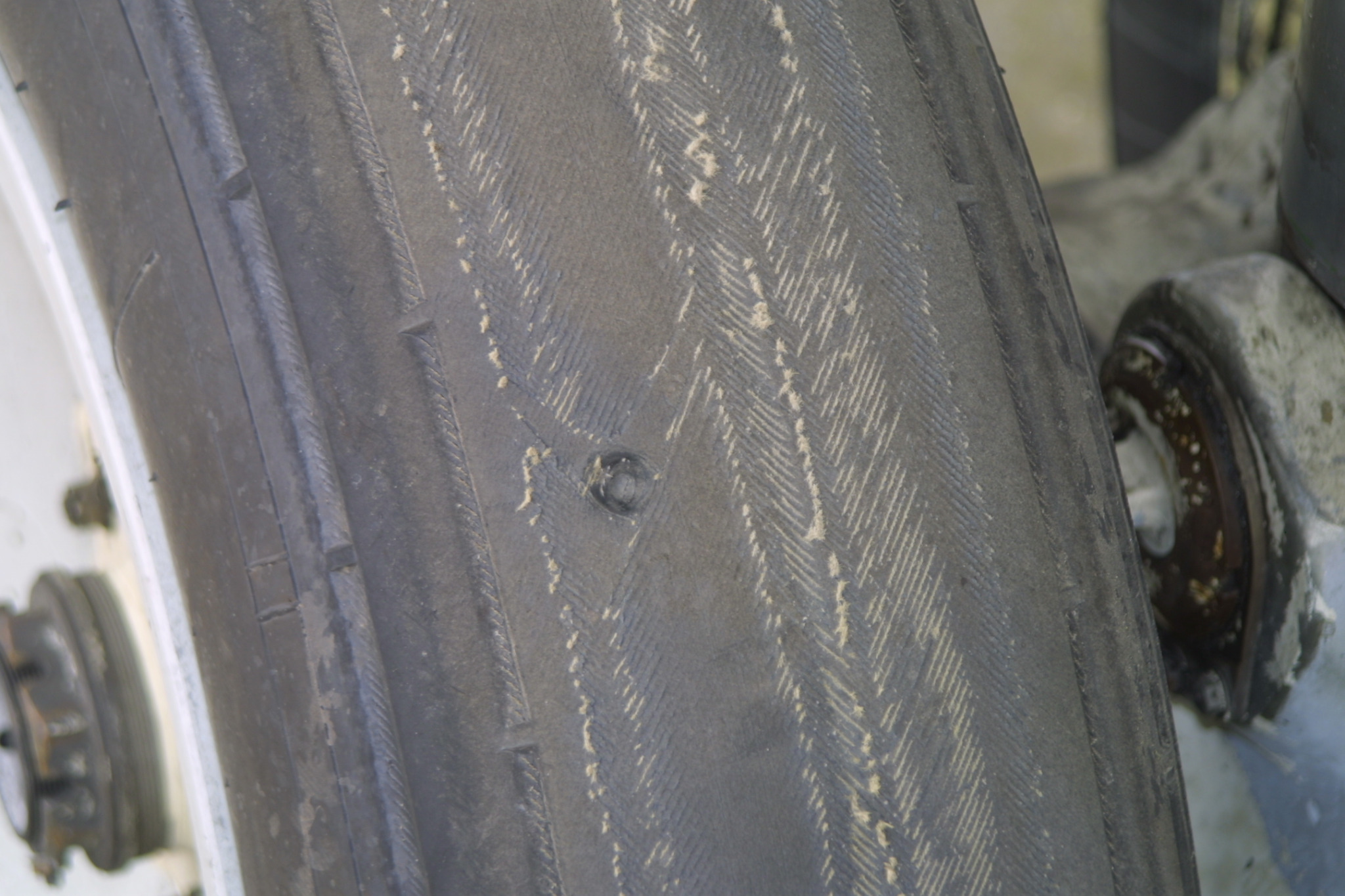
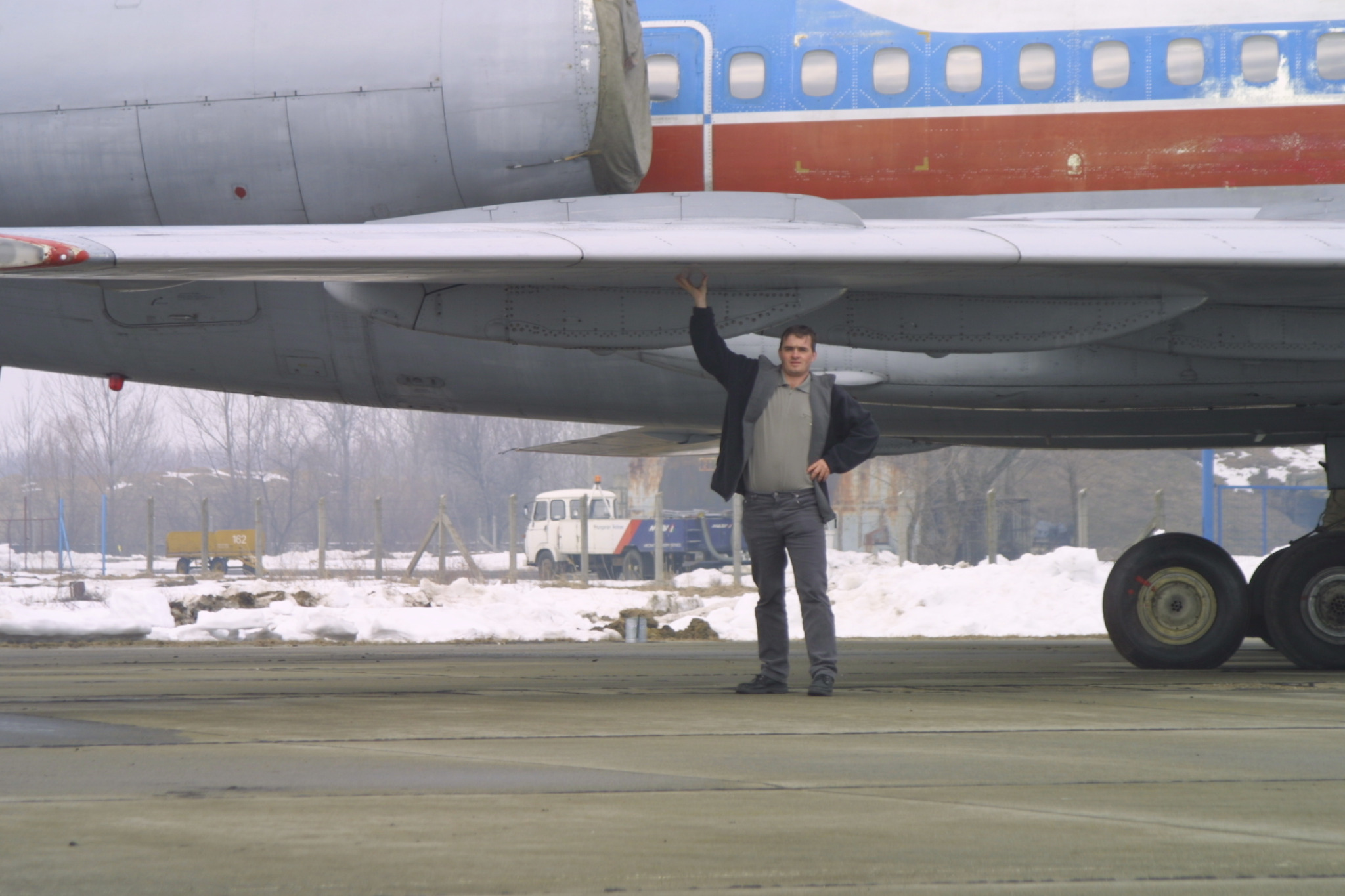
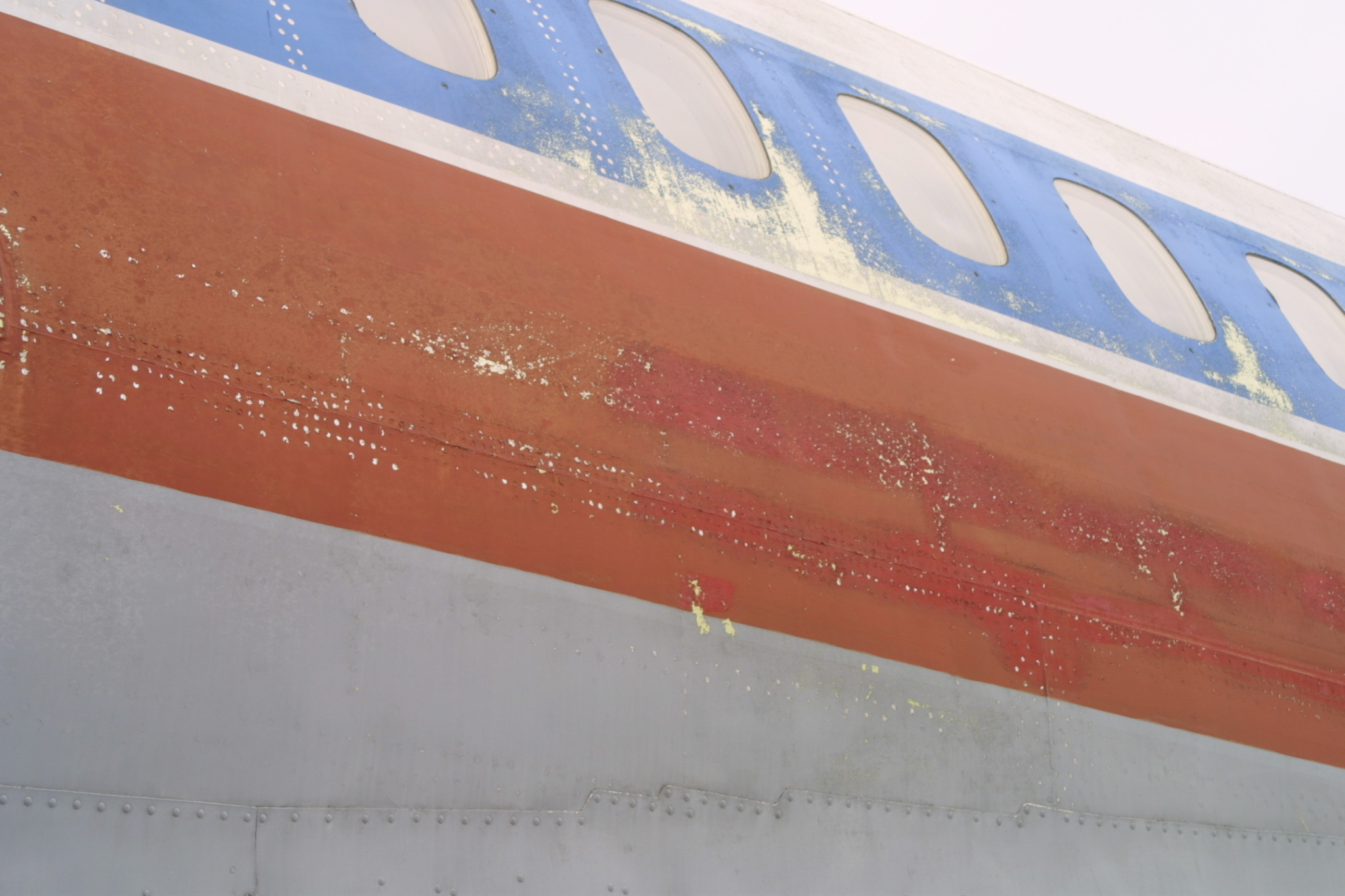
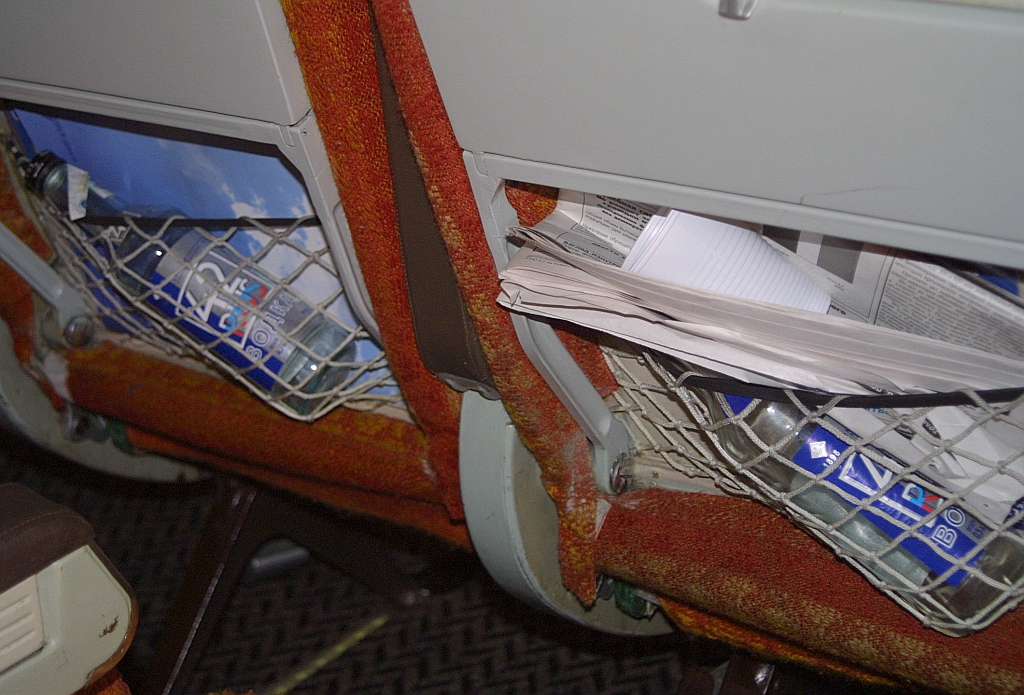
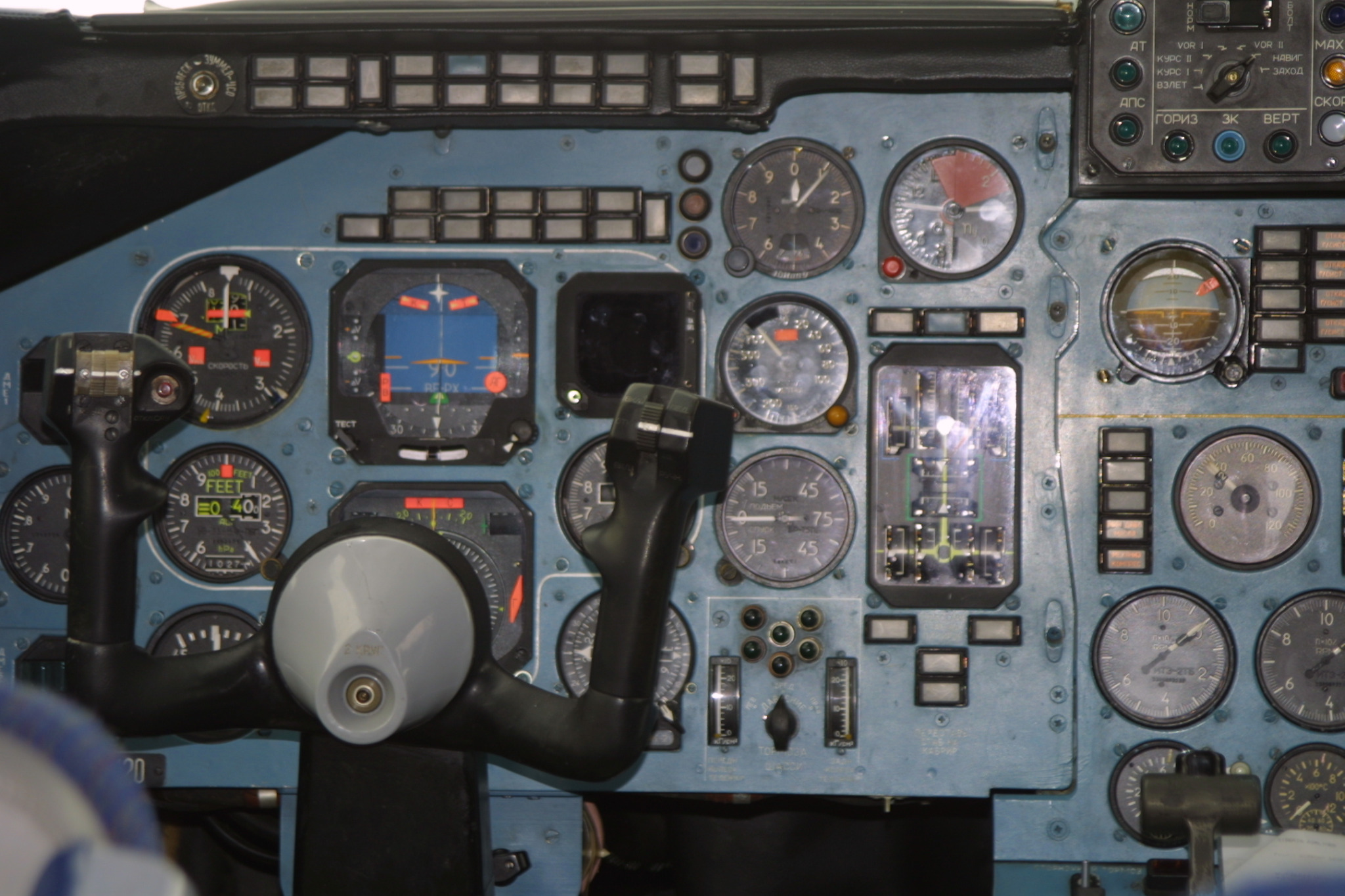
Inside the Il-86, another detail remained unforgettable: after the arriving passengers had left, empty vodka bottles were visible in the seat pockets. The aircraft itself provided an equally memorable opportunity — the group could enter the cockpit of RA-86120 and photograph its vast analogue instrument panel at close range.
24 March 2003 — a day with Mriya in Linz
Only three weeks later another invitation arrived, this time from Linz Airport in Austria: would KjM like to come onto the apron and photograph the Antonov An-225 Mriya, UR-82060, then the world's largest aircraft?
He did not need to be asked twice. KjM travelled to Linz with several Hungarian friends, including Tamás Martényi. They spent the day close to the enormous aircraft and produced a large series of photographs. The rediscovered original camera files now replace the earlier web-gallery screenshot and show the aircraft from angles that make its scale unusually tangible.
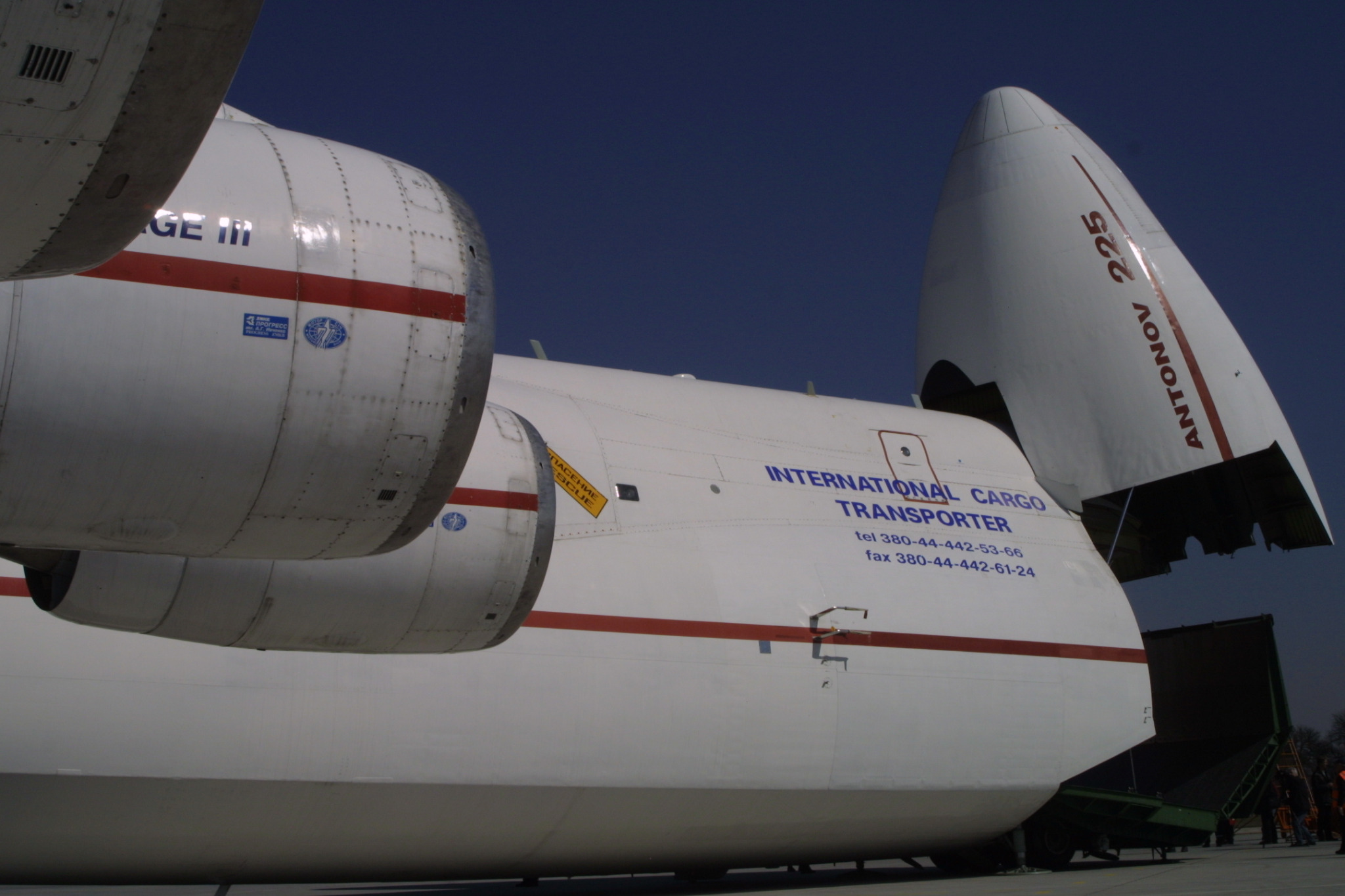
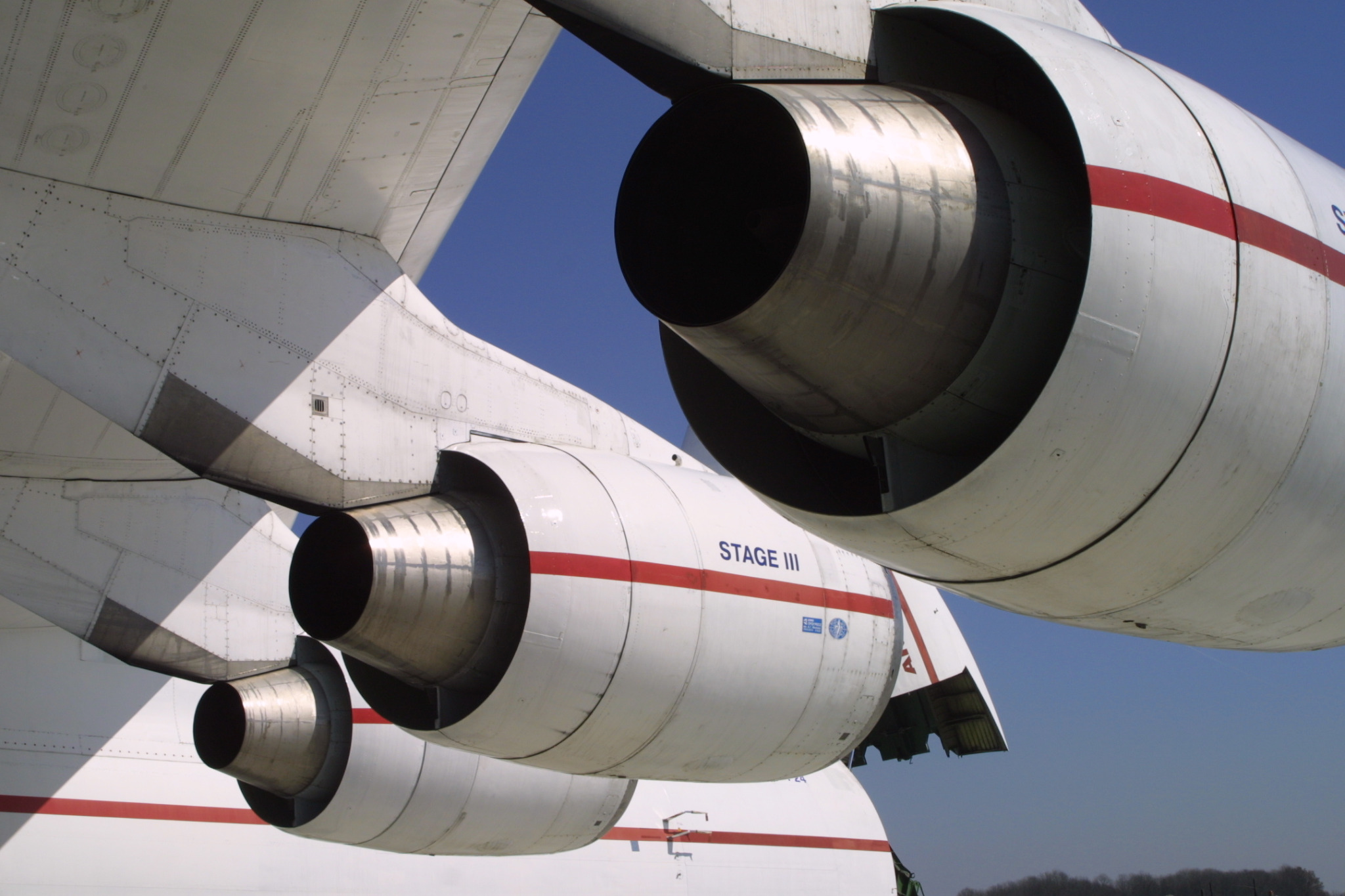
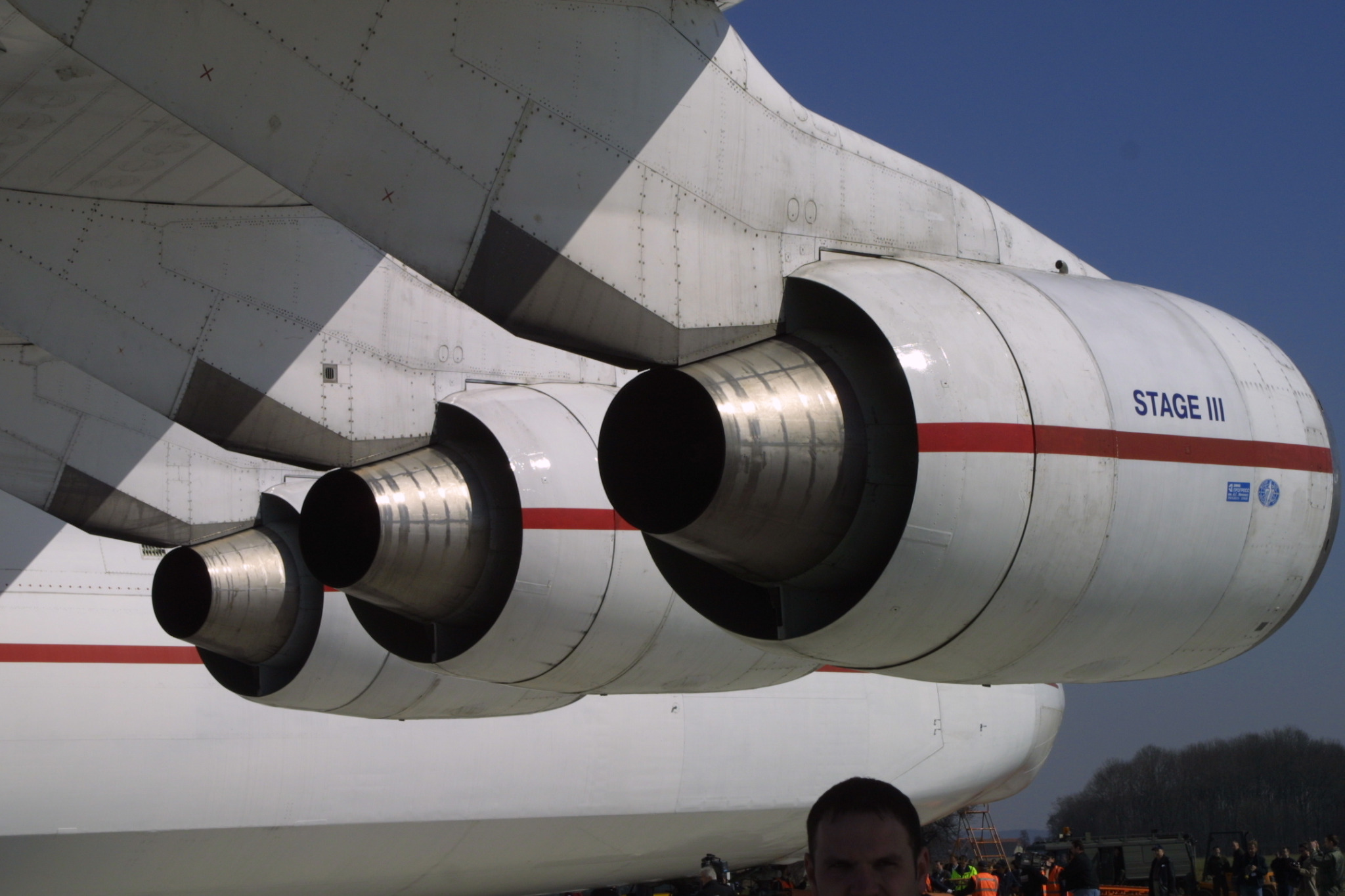
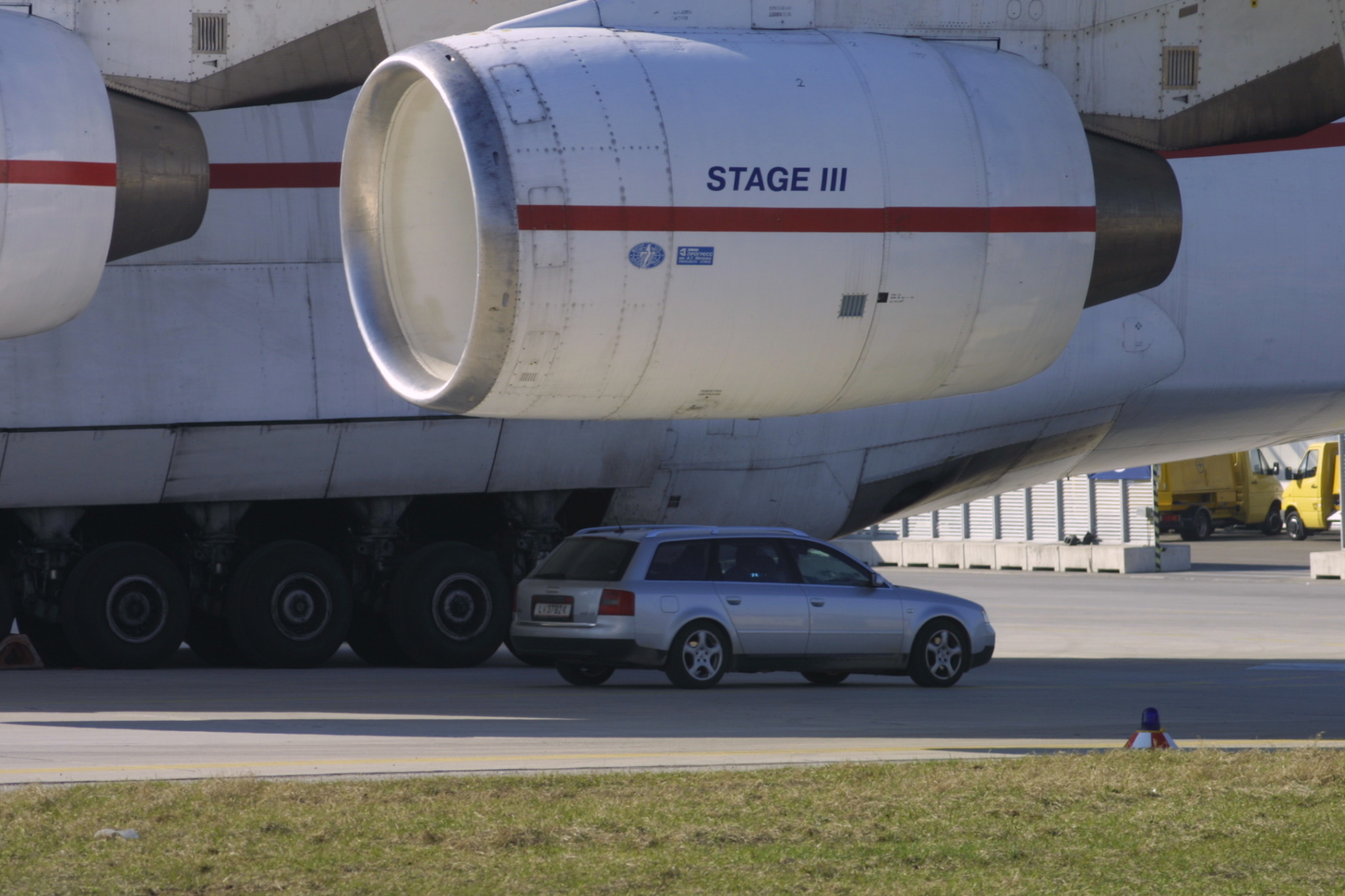
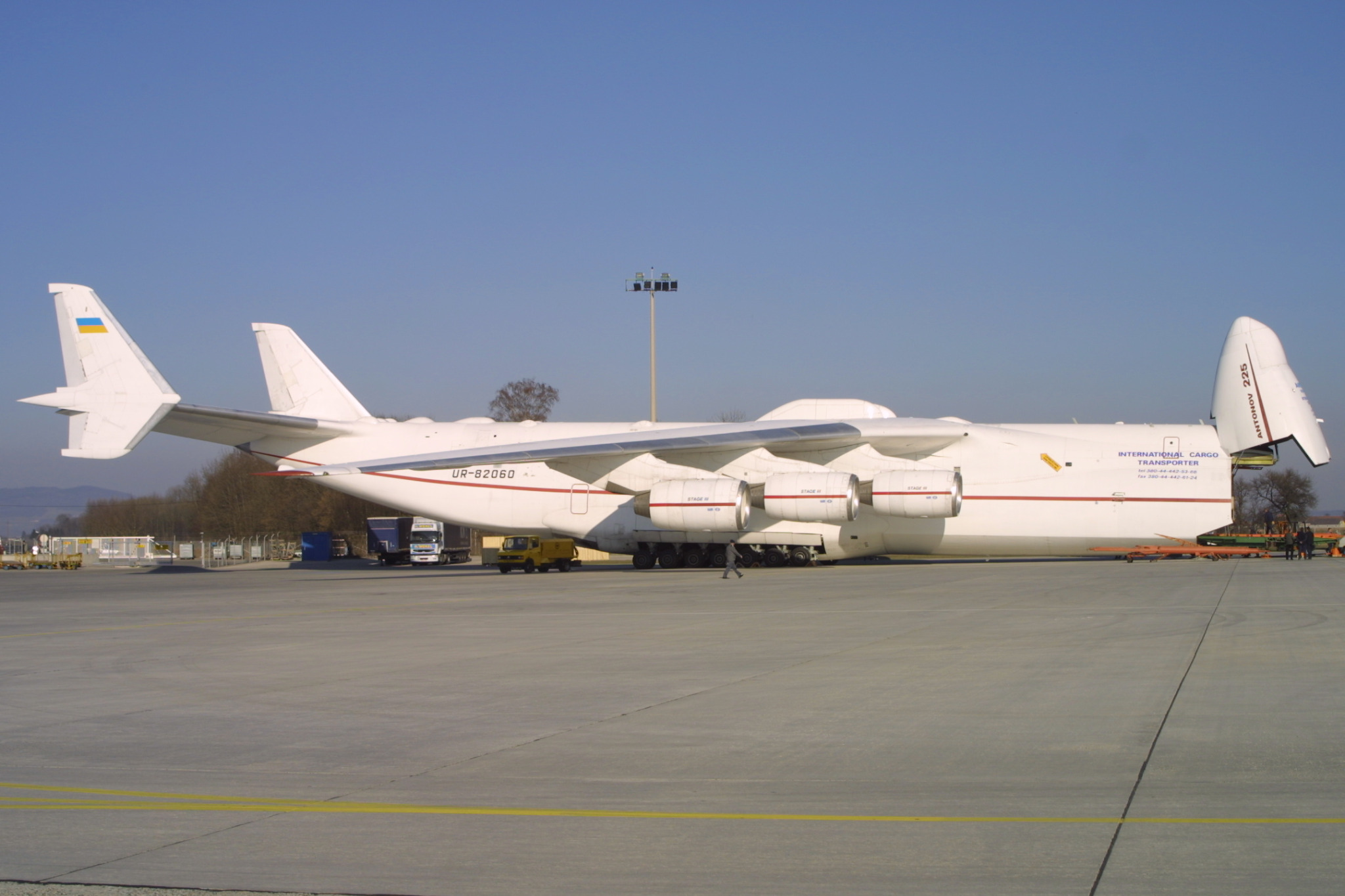
In retrospect the photographs gained another significance. UR-82060 was the only completed An-225. Nineteen years after the Linz visit, the aircraft was destroyed at Hostomel during the fighting in Ukraine in February 2022.
Debrecen and Linz in March 2003, Munich, Frankfurt and Stuttgart in May 2003, Concorde at FKB in June 2003, two visits to Taszár in 2003 and 2004, Stuttgart again in July 2003, Corfu in 2005/2006 and Sármellék in July 2008 reveal another side of the ACARSd era. The aviation websites around acarsd.org, fysb.de and planespotting.net became known well enough that airports and aviation contacts sometimes invited KjM behind the fence rather than leaving him outside it.
16–20 May 2003 — Munich, Frankfurt and Stuttgart
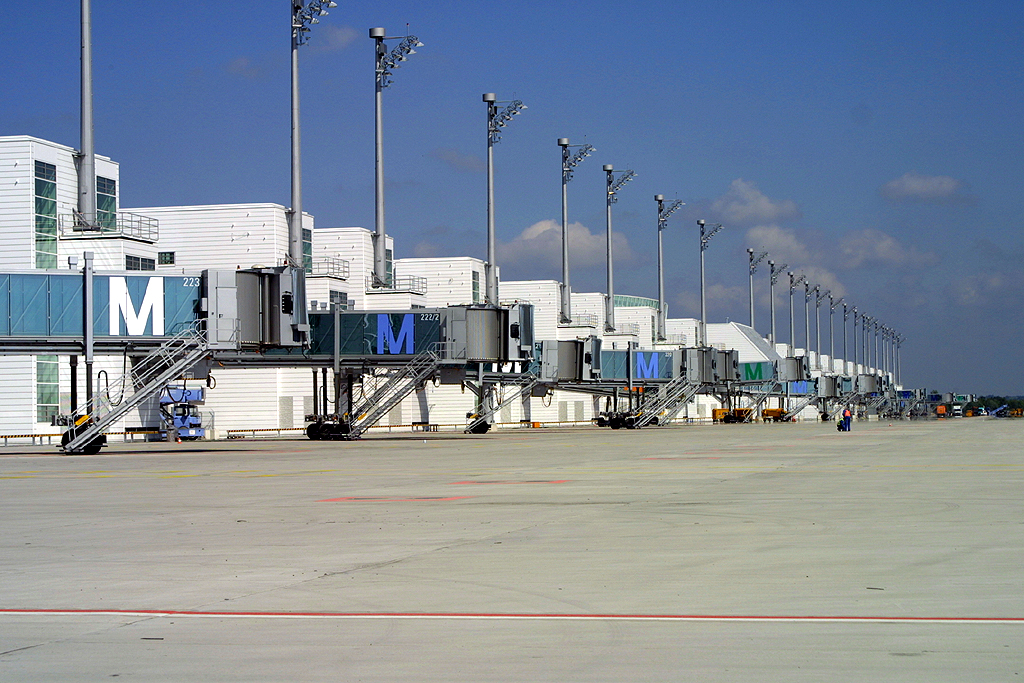
Only weeks after the first public ACARSd alpha, aviation and the new software project were already becoming inseparable. On 16 May 2003, KjM flew from Budapest to Munich in a Fokker 100 to visit his friend Chris Witt. The surviving original photographs place him behind the normal airport fence: on the apron and inside maintenance hangars.
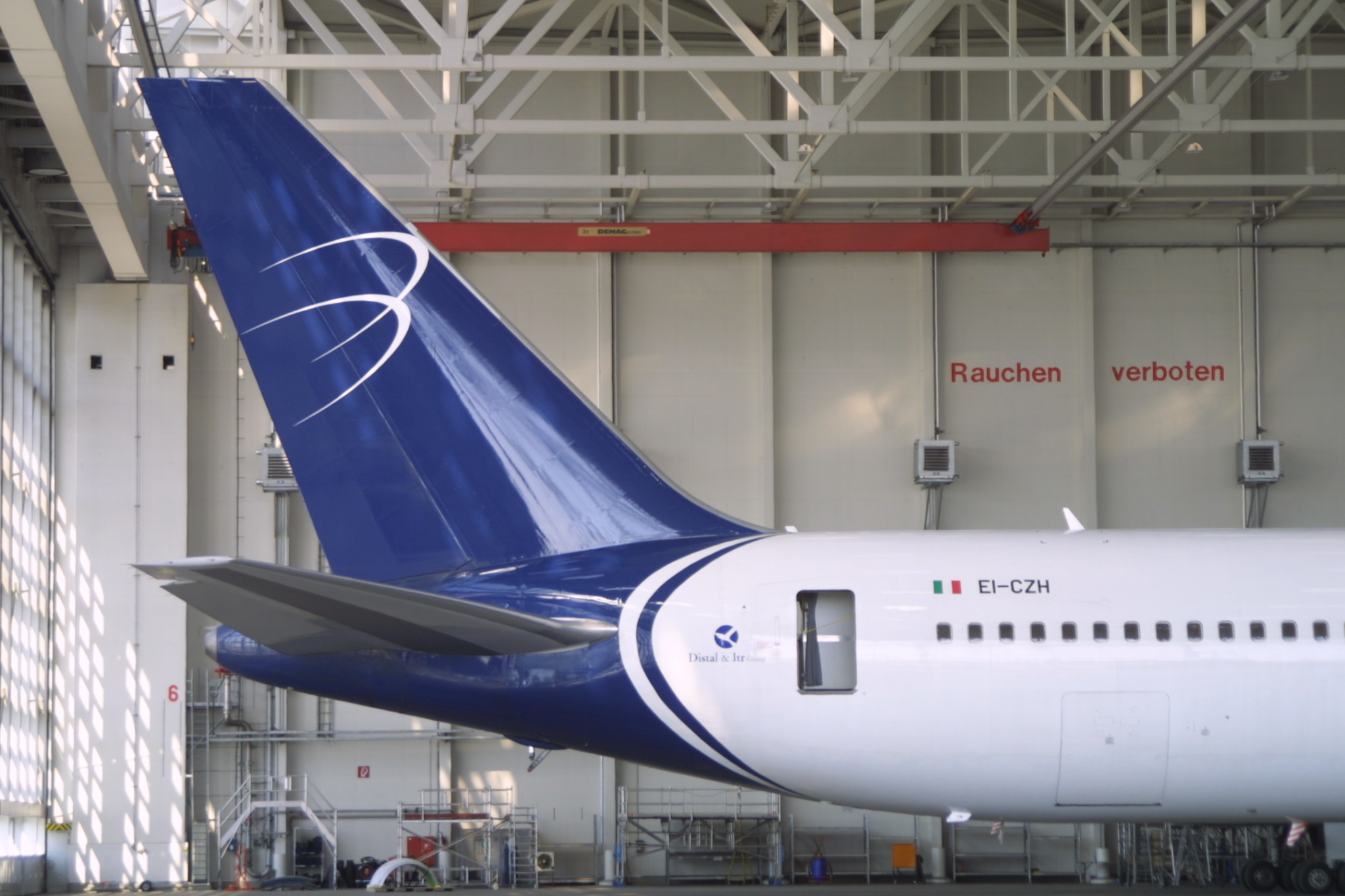
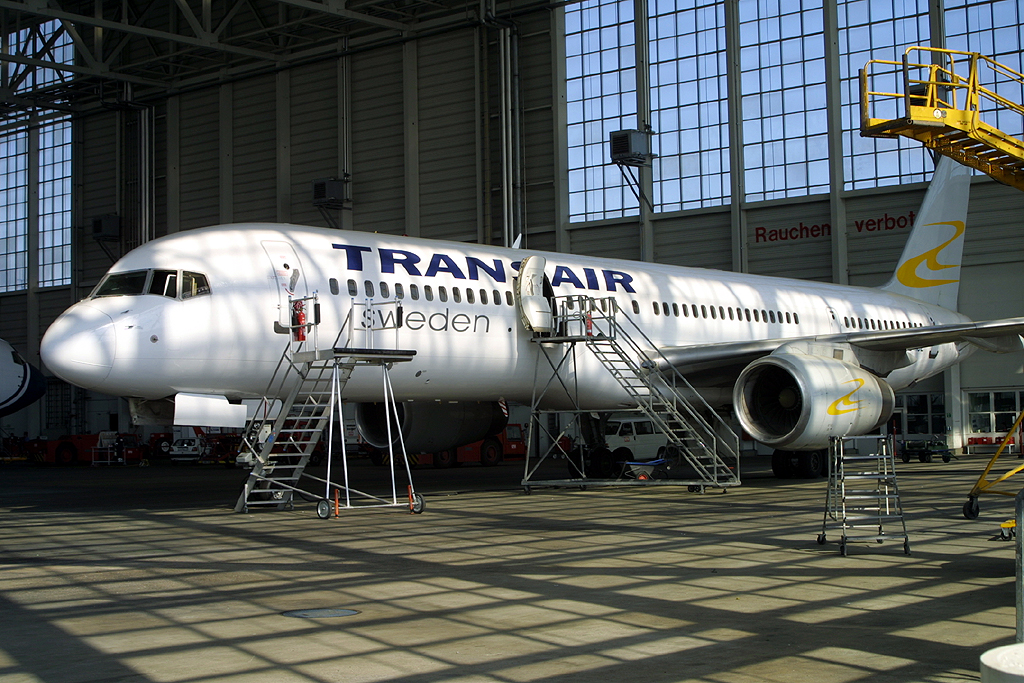
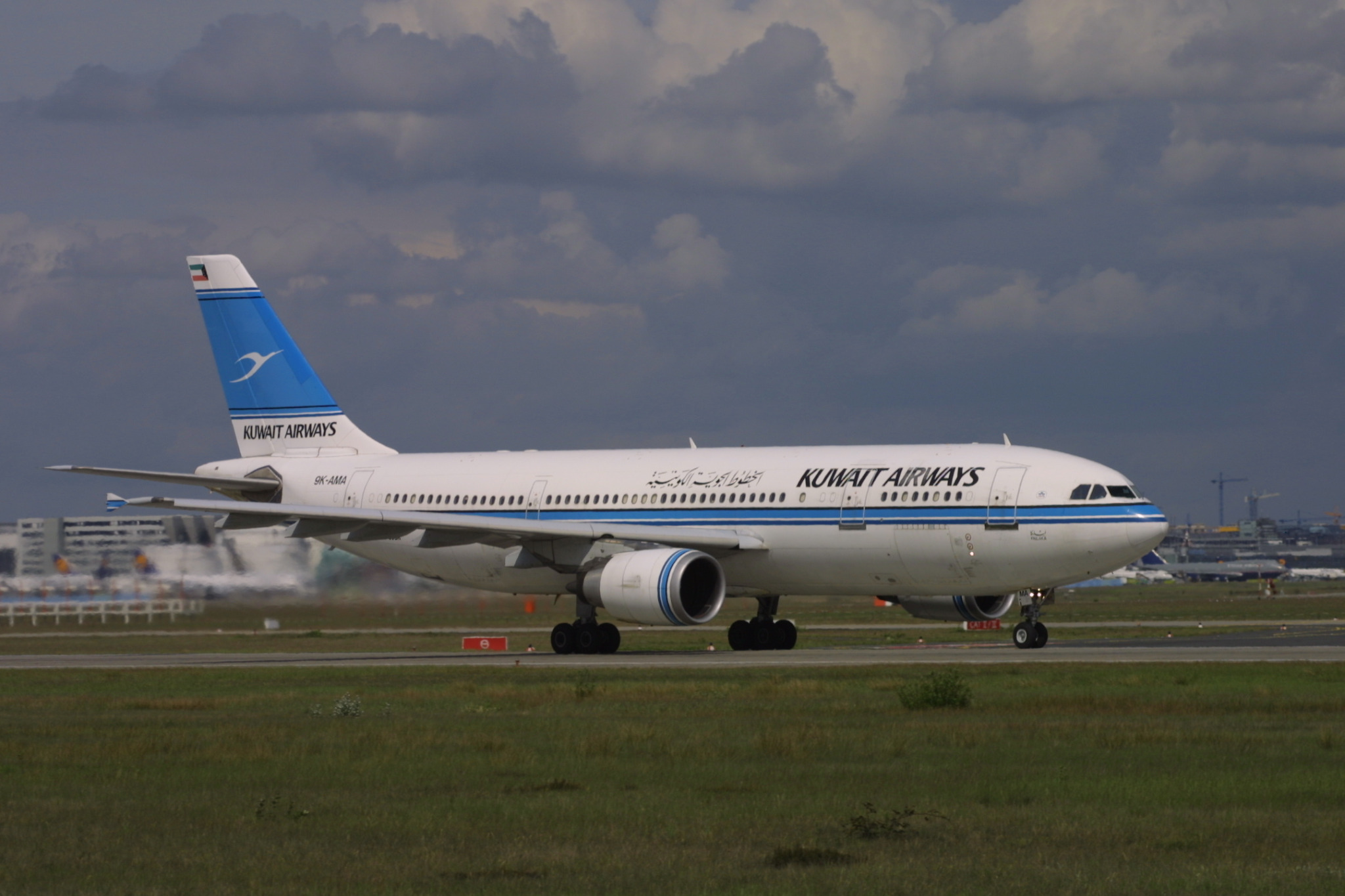
Two days later, on 18 May, KjM was at Frankfurt's runway 18 West photographing traffic. One surviving frame shows Kuwait Airways 9K-AMA against a dark spring sky.
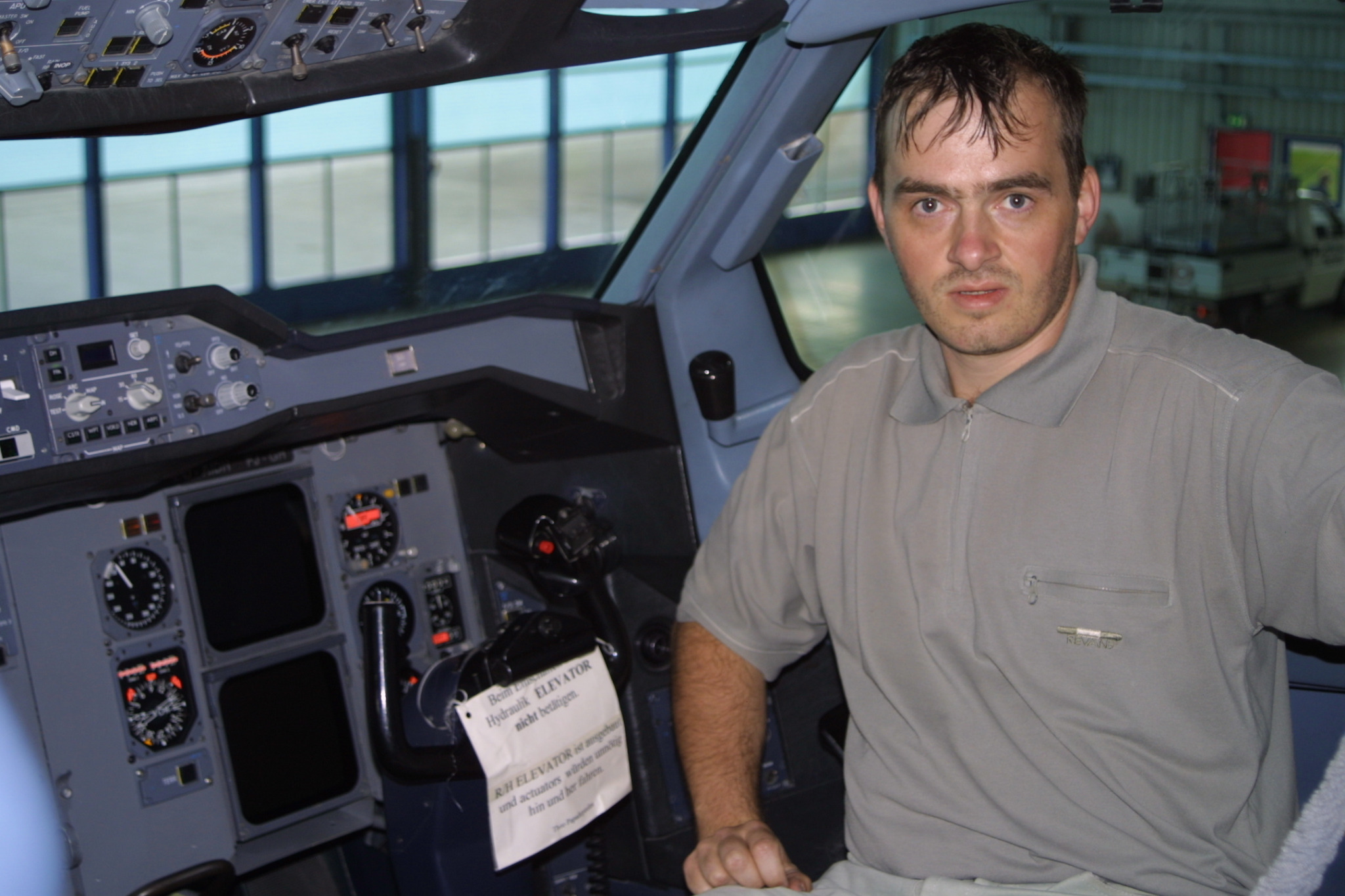
On 20 May 2003, the next stop was Stuttgart. KjM visited together with his friend Julian H. and Klaus-Dieter B., whom he knew through T-Online. Inside a Lufthansa maintenance area they were able to see Airbus A310-304 D-AIDH “Wetzlar” at close range — including the cockpit and its avionics.
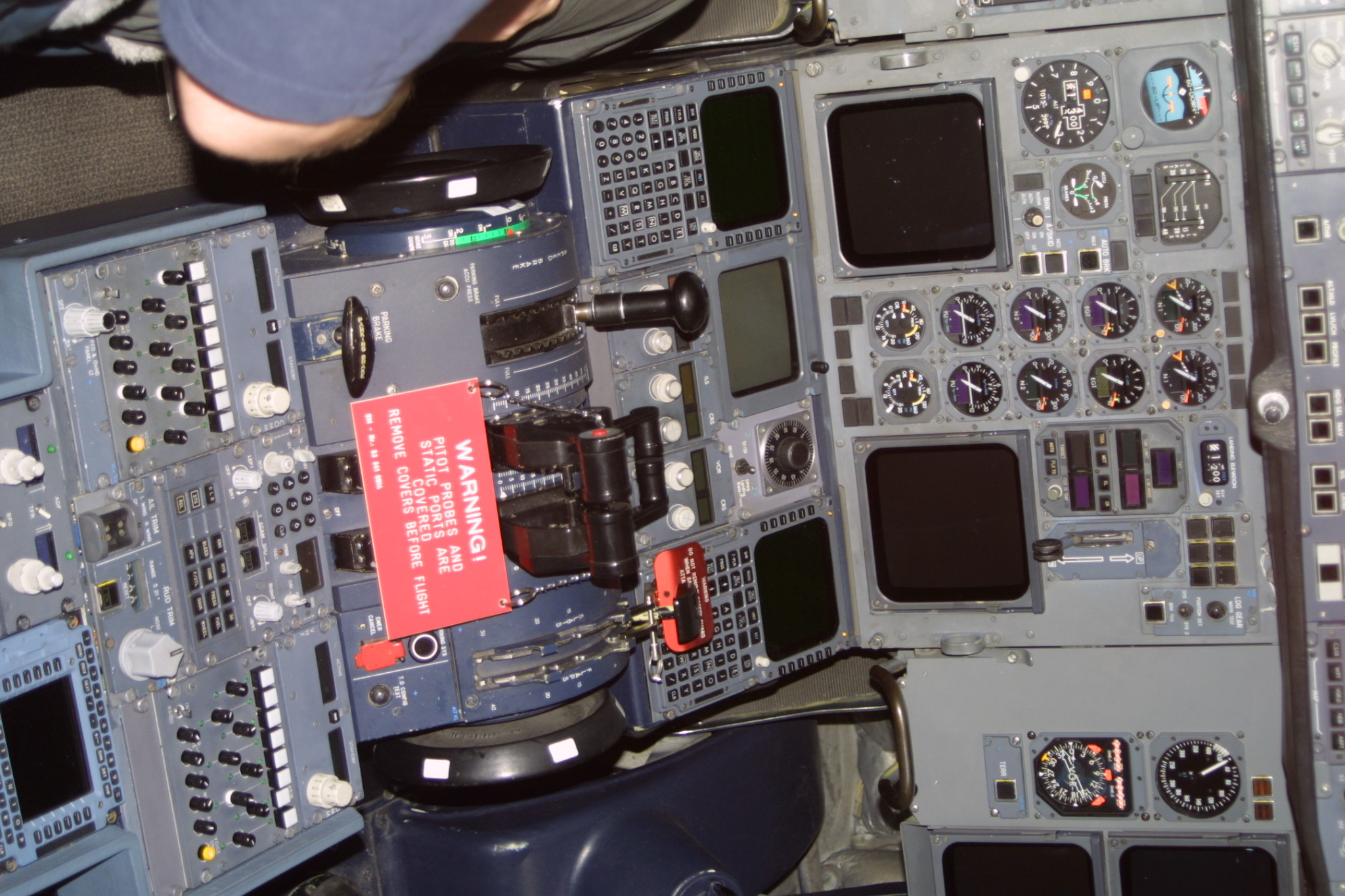
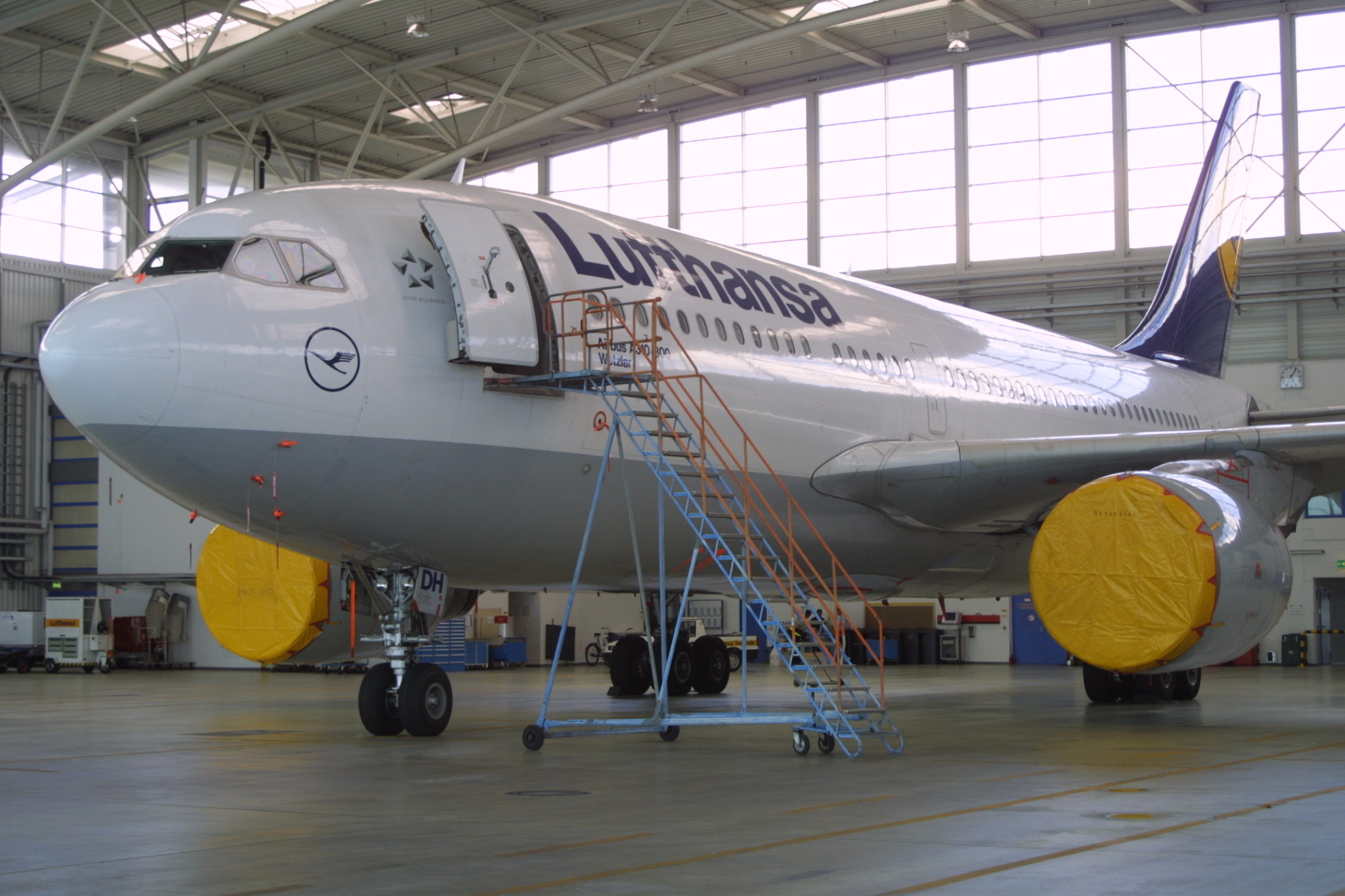
The same Stuttgart folder also contains D-GBRS, the Partenavia used for hail-suppression work — a direct photographic link to Julian's own flying.
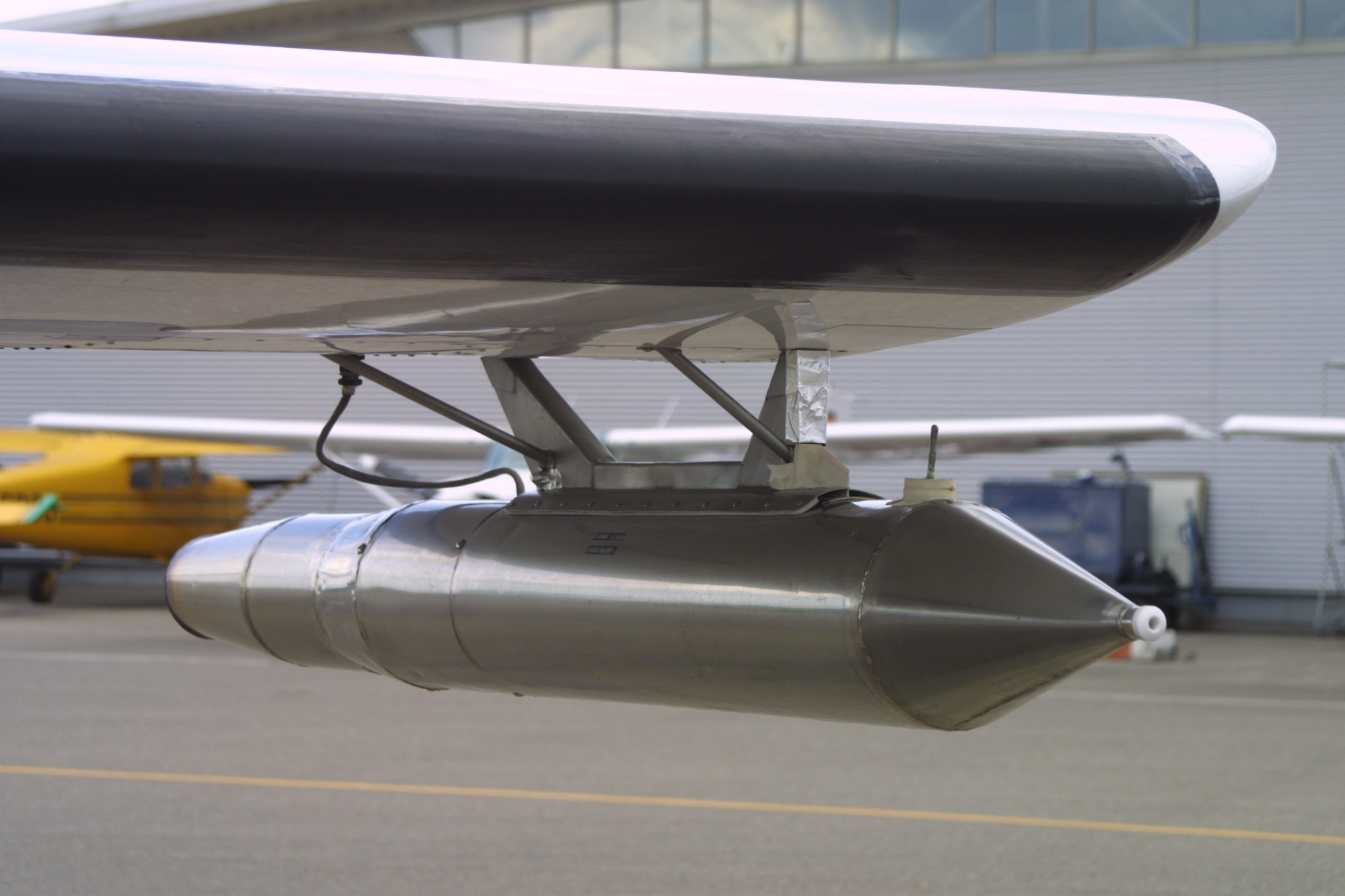
16 May: Munich. 18 May: Frankfurt. 20 May: Stuttgart. ACARSd had only just become public, yet the aviation contacts around the project and the photo websites were already turning a software hobby into access to aircraft, aprons and maintenance environments.
2003 — flying in for Concorde’s last German landing
By 2003, fysb.de had become known well enough in aviation circles that unusual invitations sometimes arrived. When Air France Concorde F-BVFB was due to make its final flight to Karlsruhe/Baden-Baden (FKB/EDSB), KjM was offered four VIP tickets: access close to the runway for the landing, a chance to visit the aircraft afterwards and attend the press conference, with the later transport toward the Technik Museum Sinsheim also part of the event around the aircraft.
There was one obvious problem. Tens of thousands of spectators were expected, and KjM and his friend Jürgen H. anticipated severe road congestion around the airport. Camping near FKB the night before was discussed. Then KjM had another idea: why drive to the airport at all?
His friend Julian H. in Stuttgart was a hail-suppression pilot. KjM asked what it would cost to rent a Cessna and have Julian fly them from Stuttgart to FKB. Julian liked the idea. For about €150 per person, the group booked a Cessna 172 and simply flew to the Concorde.

The flight from Stuttgart to FKB itself was uneventful. Then came the reason for the journey: F-BVFB arrived from Paris on 24 June 2003 and made its final landing at Baden-Airpark. Contemporary records confirm that tens of thousands of spectators came to see it. After reaching its parking position, the aircraft was prepared for its eventual transport to Sinsheim, where it remains on display today.
After the landing came the aircraft visit and press conference. Only then did the group begin the return flight from FKB to Stuttgart, with a few circles over Jürgen H.'s company for aerial photographs along the way.
The return flight to Stuttgart
The traffic jam on the A8
Somewhere on the return leg, Julian casually remarked: “Boys, be glad we are not travelling to Stuttgart by car.” A teacher travelling with the group asked why. Julian answered in the most direct way possible: he banked the Cessna very steeply — almost onto its side — and pointed down toward the motorway. The A8 below was completely jammed.
For Julian, it seemed to be nothing more than a convenient way to improve everyone's view. The teacher turned pale. KjM and Jürgen were not entirely comfortable either. A moment later Julian rolled the Cessna level again and continued toward Stuttgart.
Personal recollection: the manoeuvre and conversation are remembered by KjM. The museum deliberately describes the bank as “very steep” rather than assigning an exact measured angle.
The approach to STR
The spectacular manoeuvre remembered by KjM and Jürgen H. happened at the very end of that return flight. During the approach to STR, KjM remembers the Cessna approaching the runway at roughly a right angle and then sliding into alignment very low over the ground. Jürgen H. remembered photographing the manoeuvre — and more than twenty years later, two of those photographs were found again. They document the steeply banked final moments of the approach, although the museum does not attempt to infer an exact wing-to-ground distance or make a flight-safety judgement from the images.
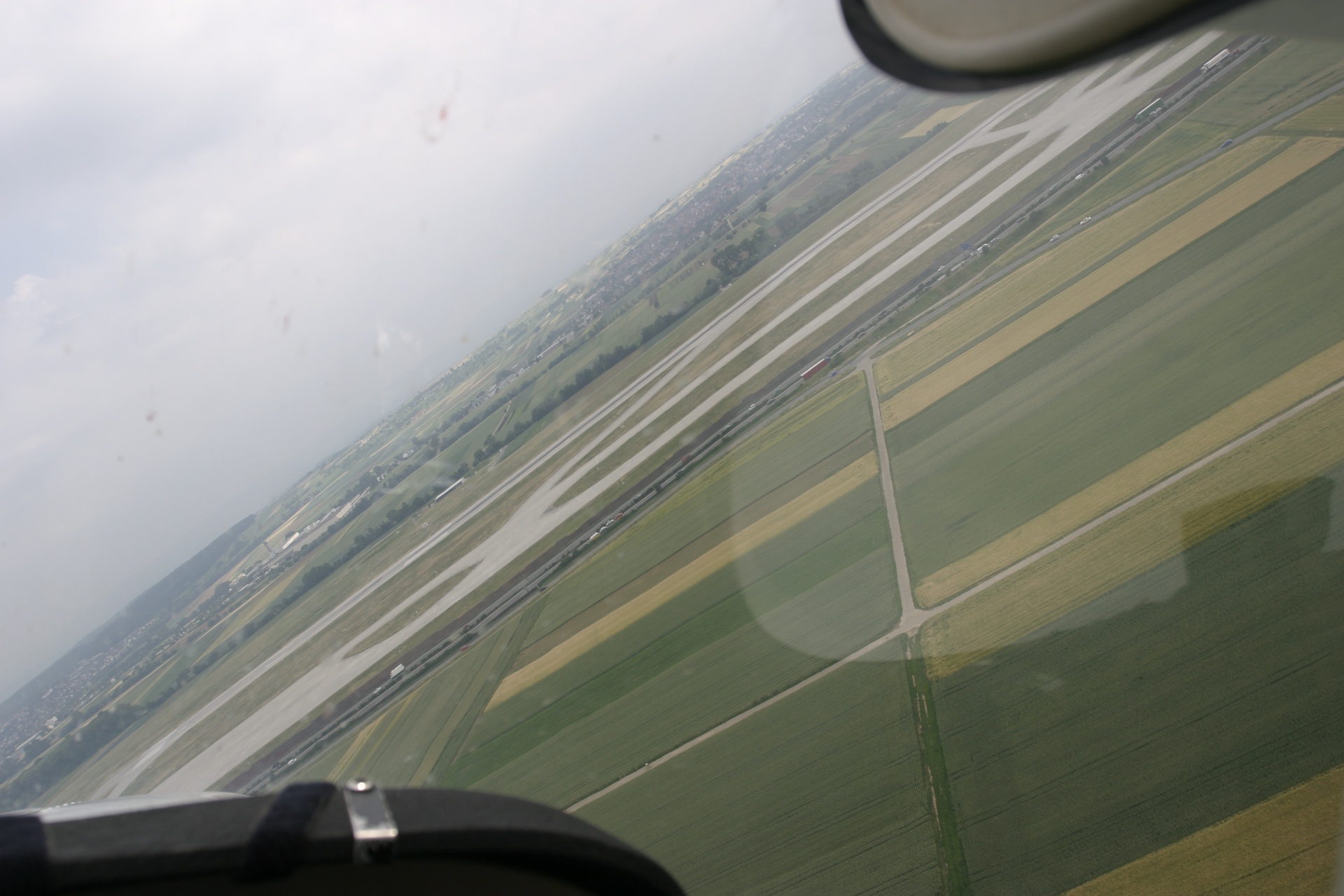
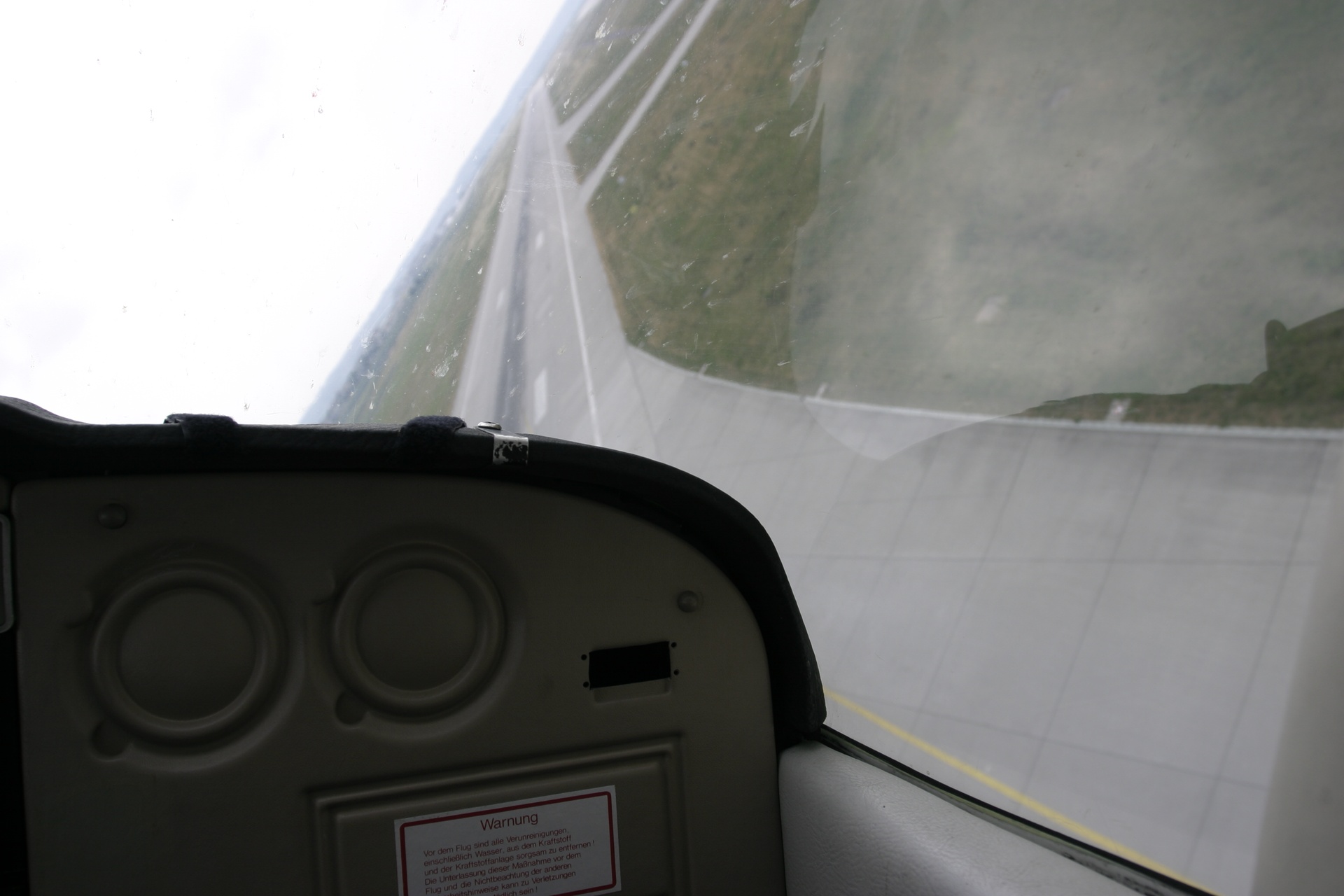
The filenames of Jürgen H.'s original photographs preserve their timestamps: 16:17:50 and 16:18:02. They were rediscovered in 2026 while this museum was being reconstructed.
After landing, Julian added one detail that did little to calm his passengers: he told KjM and Jürgen that his own flight instructor had died during a similar manoeuvre, which Julian referred to as a “slide landing”. The exact accident and whether the circumstances were genuinely comparable have not been independently verified, so the museum records this only as Julian's statement after the flight.
KjM and Jürgen had lost their appetite by then. The fourth passenger — a teacher and friend of the pilot — was reportedly pale and headed straight for the toilet.
When everybody else was worrying about traffic jams around the last German Concorde landing, the fysb.de group arrived in a Cessna.
KjM never flew with Julian again. A later accident sometimes associated in memory with the pilot is deliberately omitted here: no sufficiently reliable contemporary source has yet been found to document it.
18 July 2003 — Taszár, the first invitation
The surviving photo archives revealed something KjM himself had forgotten while reconstructing this museum: the 2004 visit was not his first invitation to Taszár. On 18 July 2003 he had already been on the former air base and photographed Volga-Dnepr Antonov An-124-100 Ruslan RA-82079.

The original camera files later revealed much more of that morning. The press and spotter group had exceptional access while Hungarian military vehicles were unloaded through the An-124's raised nose. One EXIF record fixes the scene with the photographers on an armoured vehicle to 18 July 2003 at 09:21:14 — Canon EOS D30, 64 mm, 1/90 s, f/6.7, ISO 200.
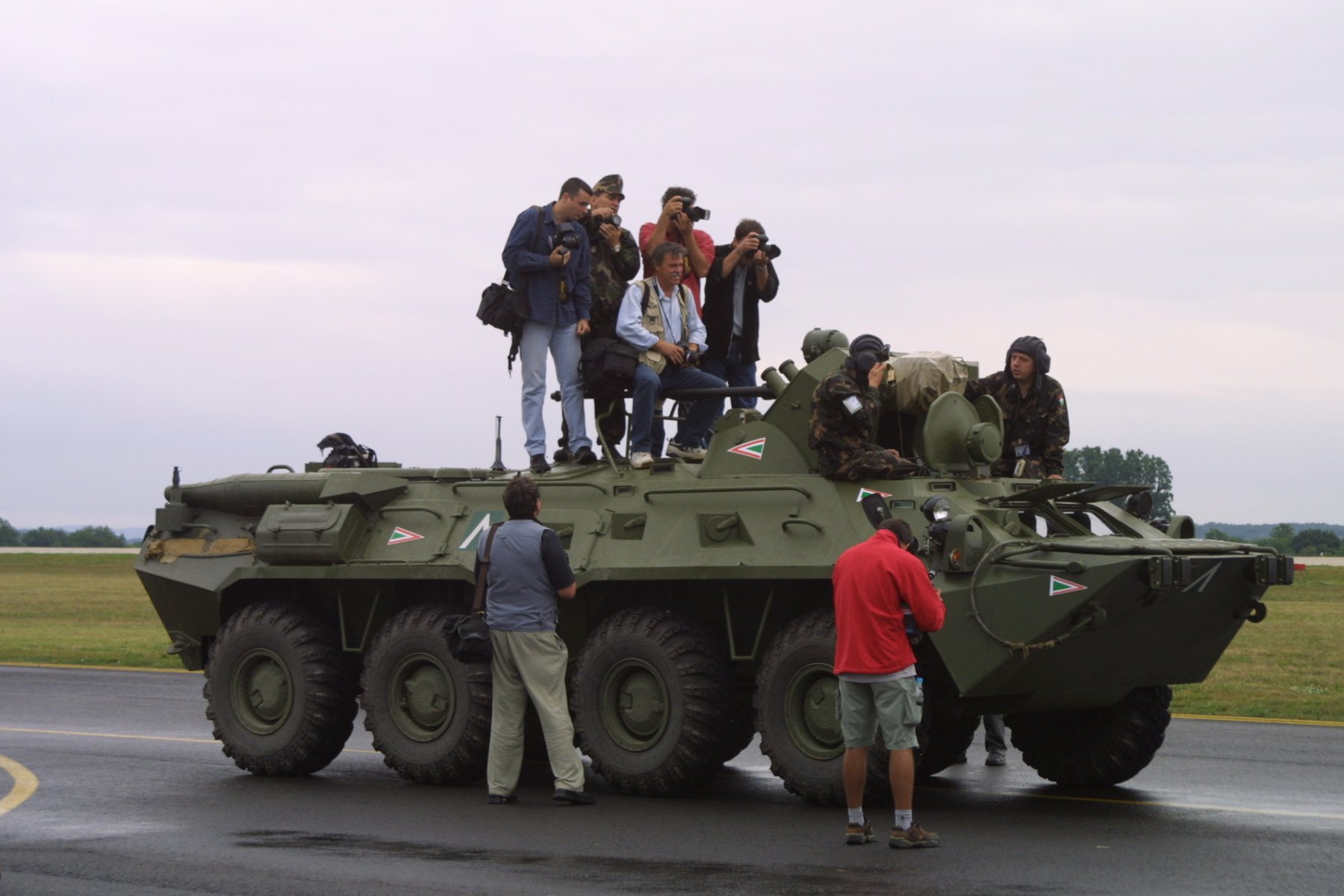
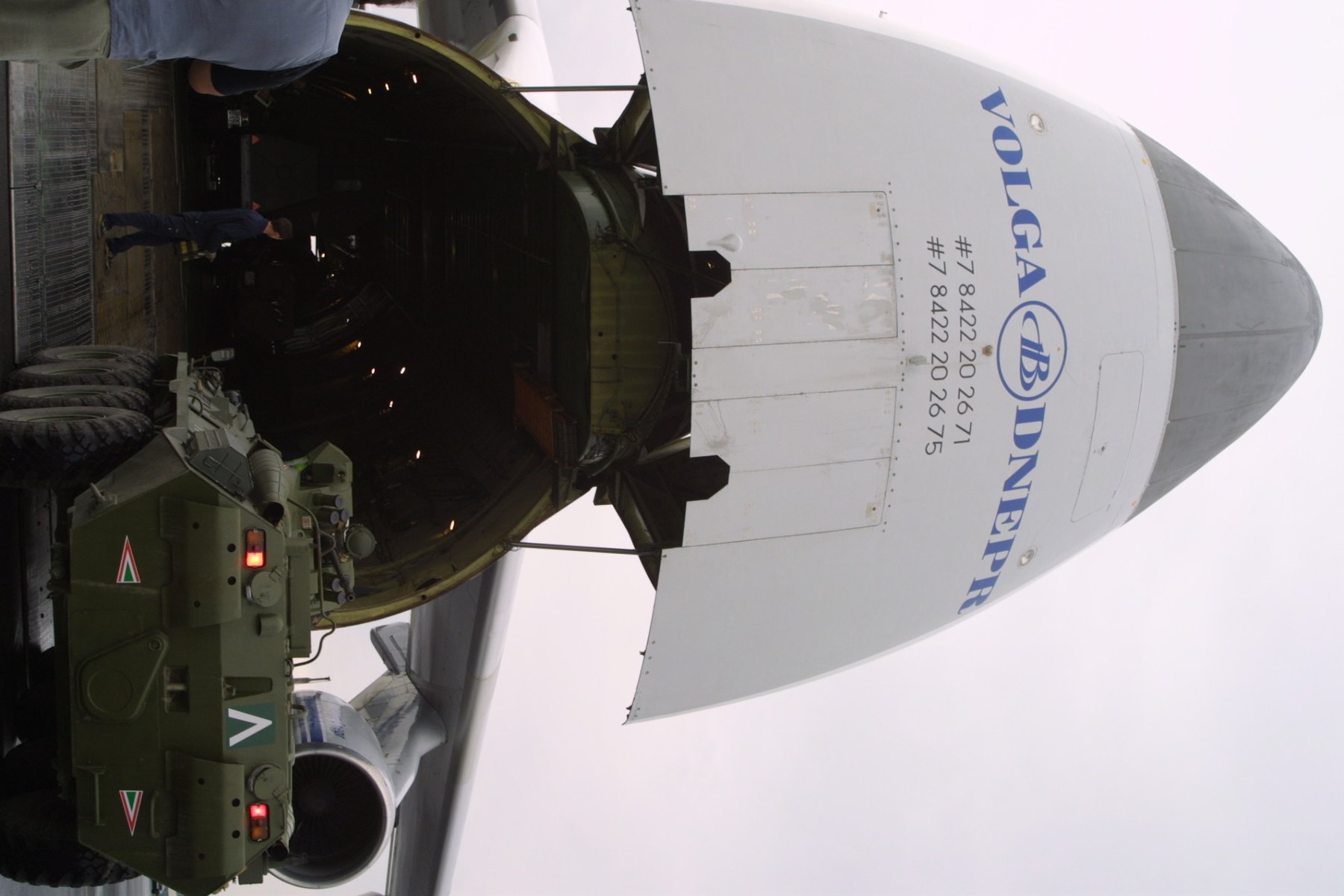
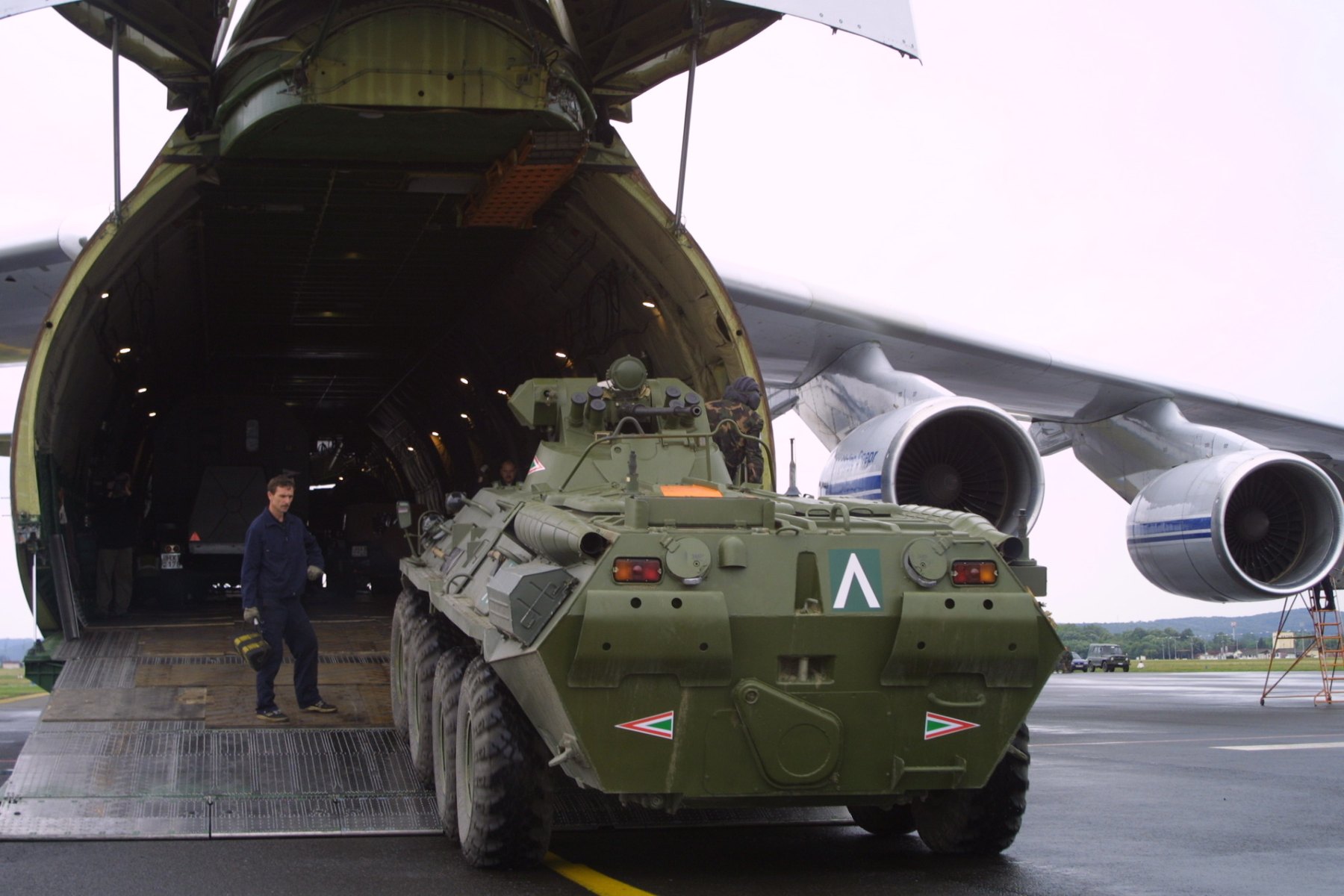
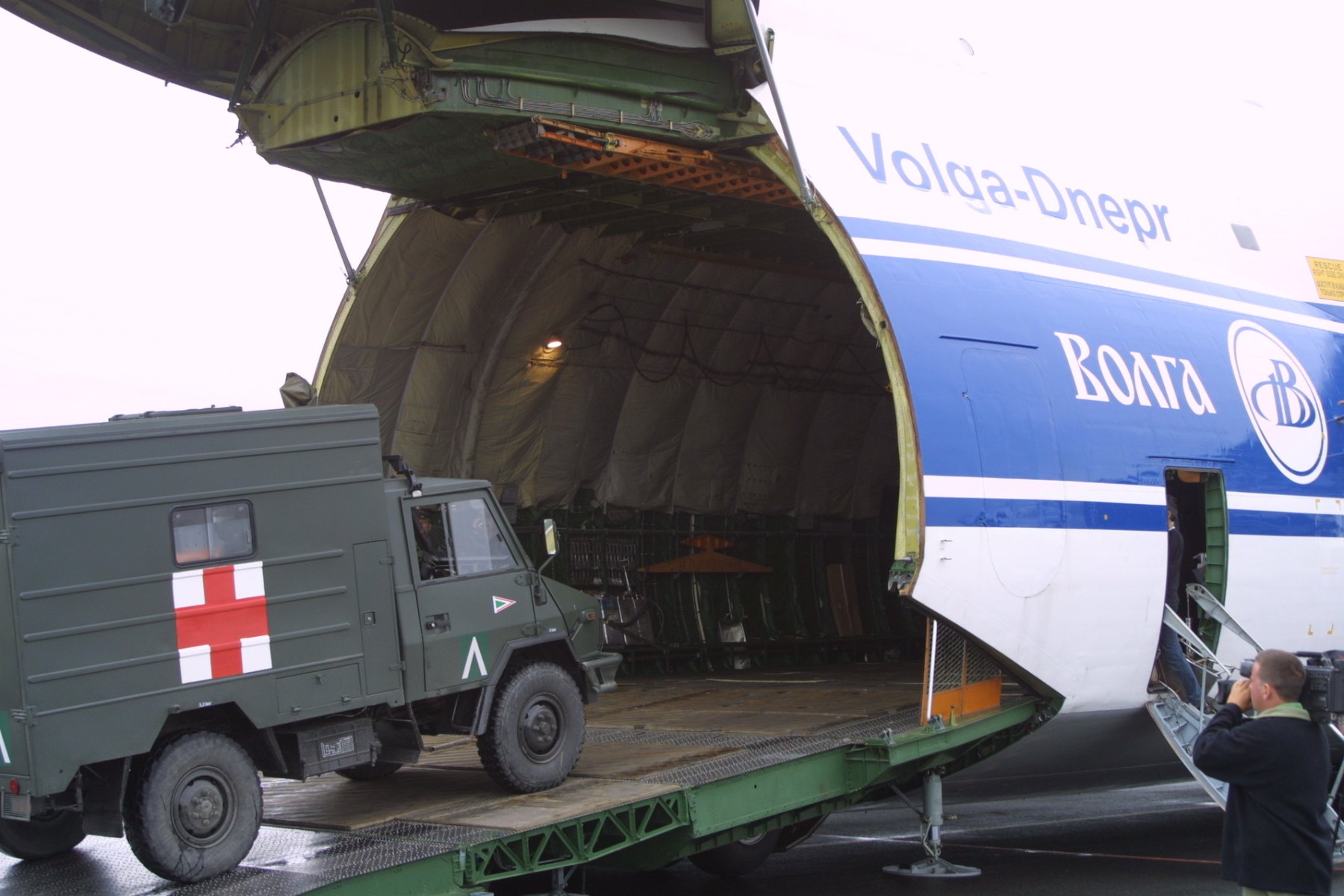
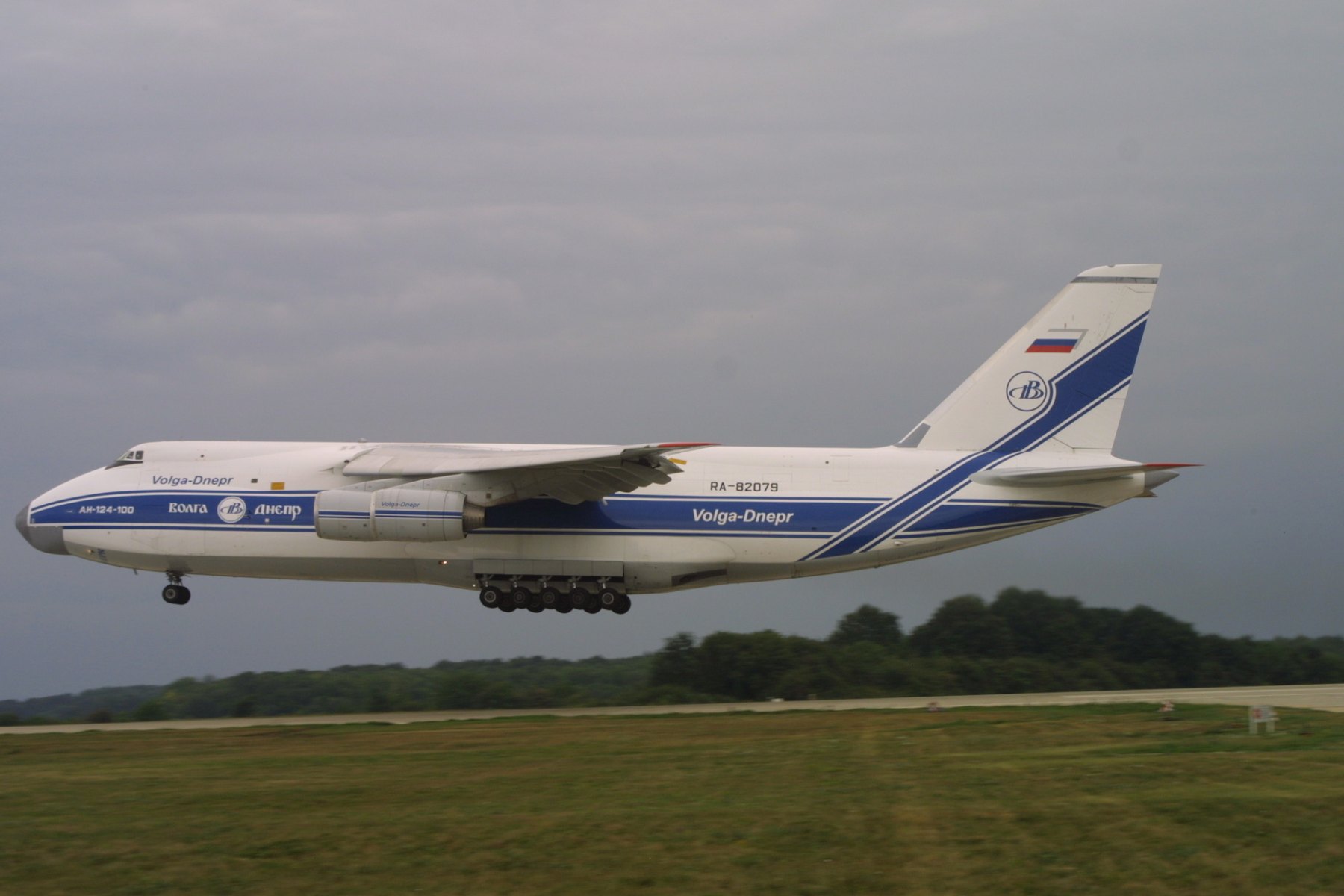
What began as two surviving database screenshots turned into a complete behind-the-scenes sequence once the original 2003 camera folder resurfaced.
30 July 2003 — Stuttgart: the photographs I never published
Through his friend Julian H., the hail-suppression pilot, KjM sometimes had apron access at Stuttgart. During one of those visits they were sitting in a car waiting for aircraft when a private jet arrived. KjM noticed the registration prefix VP- and a familiar-looking sign on the tail, but could not immediately place it.
Shortly afterwards a large limousine passed them. KjM noticed the letters “WW” and asked Julian about them. Julian explained that it was Willi Weber, Michael Schumacher's manager. Less than ten minutes later the car returned and stopped beside them. KjM remembers Michael Schumacher asking what they were doing. He explained that he was an aircraft spotter. Schumacher asked him not to photograph his aircraft because he did not like that. KjM reassured him, joking that the jet was “too small”, and showed him the image review on his Canon EOS D30. Schumacher relaxed and gave him an autograph on a note.
There was one detail KjM did not mention: he had already photographed the aircraft. The files were moved into another folder and, unlike thousands of his other aviation photographs, were never uploaded to the aircraft-photo databases. The autograph was later lost after 2014 — and for years KjM believed the photographs might also have disappeared.
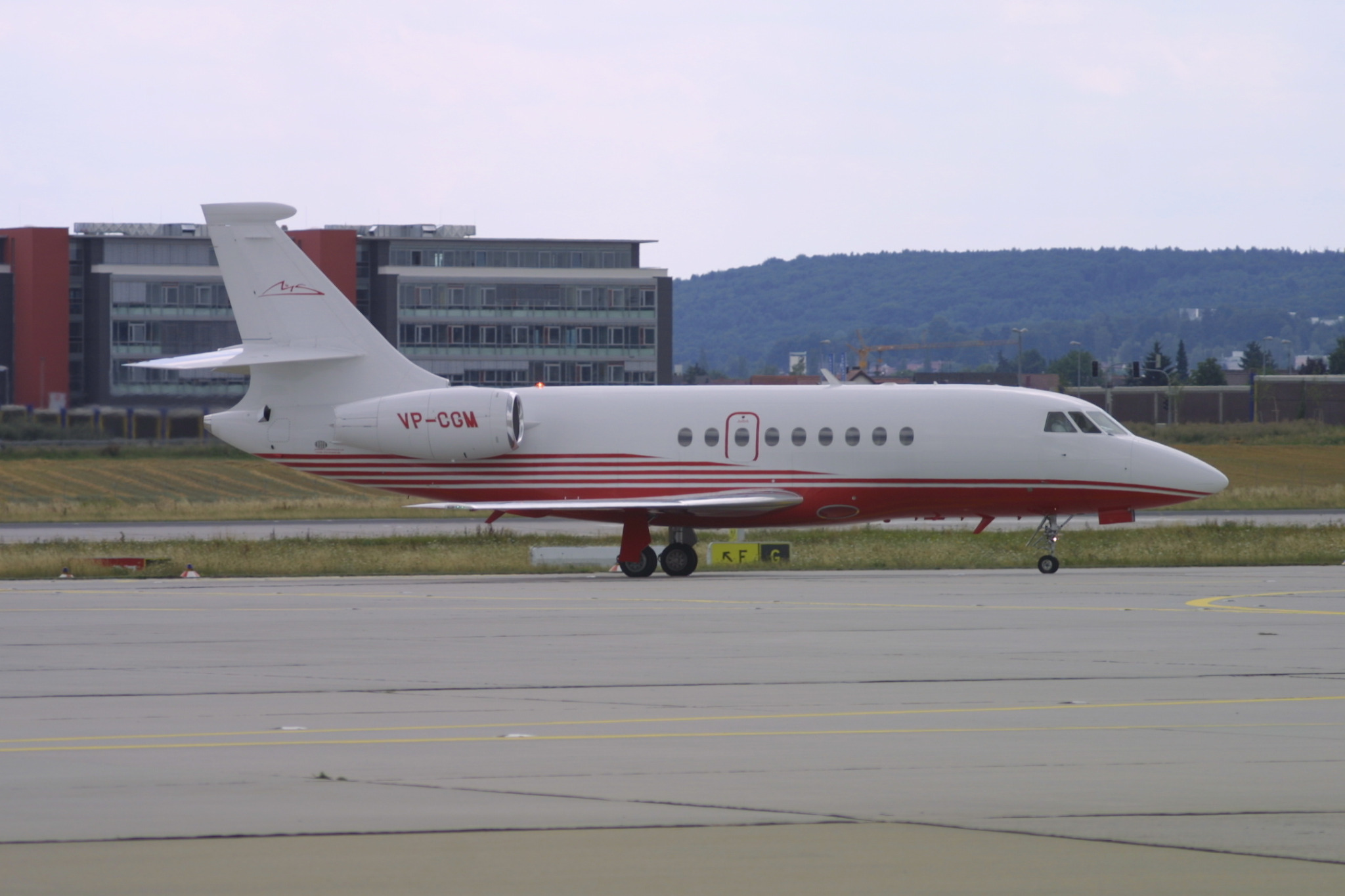
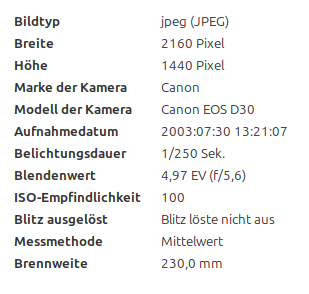
While reconstructing this museum in August 2026, the photographs were found again. The EXIF metadata finally fixed the date: 30 July 2003 at 13:21:07. Camera: Canon EOS D30, 230 mm, 1/250 s, f/5.6, ISO 100.
2004 — Taszár: invited onto an air base
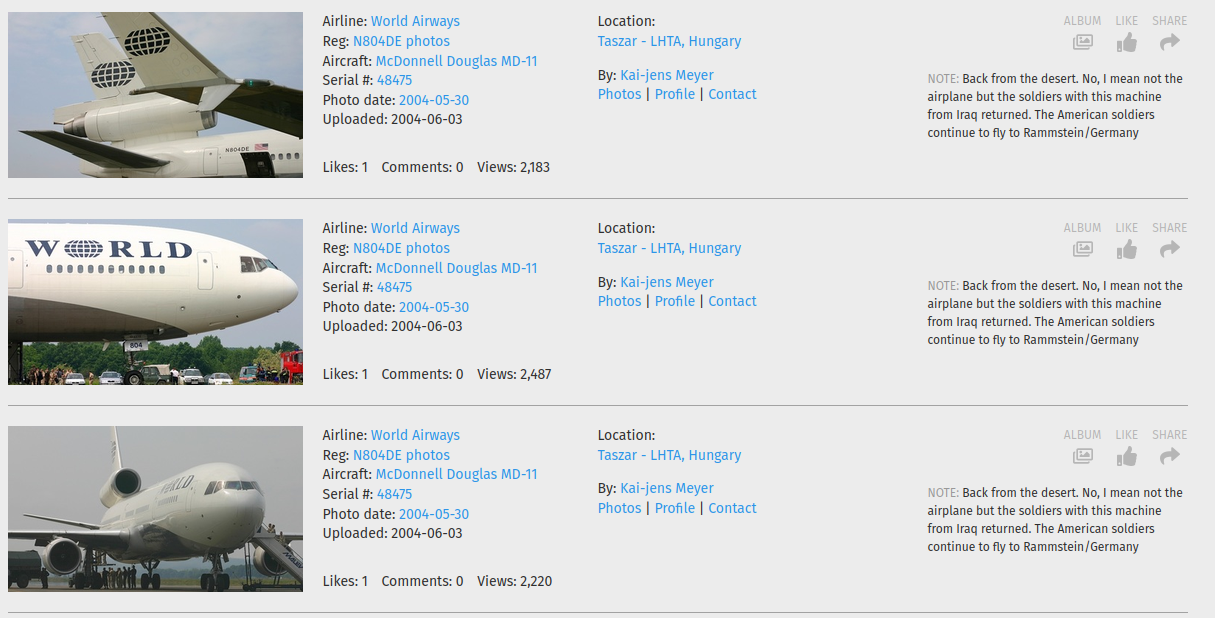
At the end of May 2004, KjM was invited to Taszár Air Base in Hungary to photograph the transport operation as US troops returned from Iraq, transferred to World Airways MD-11 aircraft and continued toward Ramstein in Germany. The invitation came because people there knew and appreciated his work on acarsd.org and fysb.de.
His friend Jürgen H. was less enthusiastic about the invitation:
“Meyer, they only want to pick you up. I wouldn't go there.”
He went anyway. Nothing sinister happened; instead he was given an unusual opportunity to photograph the operation at close range. A few of those photographs have survived. The preserved PlanePictures listing identifies World Airways MD-11 N804DE, photographed by Kai-jens Meyer at Taszár on 30 May 2004.
31 March 2004 — Vienna: waiting for the 747SP
A Saudi royal visit brought KjM to Vienna Airport for a very different kind of spotting day. There was no apron access this time, so he positioned himself outside the airport near the runway. What he really hoped to see was one of the increasingly rare Saudi Boeing 747SPs.
The day can now be reconstructed unusually well. Crown Prince Abdullah bin Abdulaziz Al Saud — not yet King, although he was already effectively leading the kingdom for the ailing King Fahd — began an official visit to Vienna on 31 March 2004. Contemporary aircraft records independently place Saudi government aircraft HZ-AFA1 and HZ-HM1A at Vienna that same day; a surviving photograph of HZ-HM1A explicitly identifies it as carrying Crown Prince Abdullah.
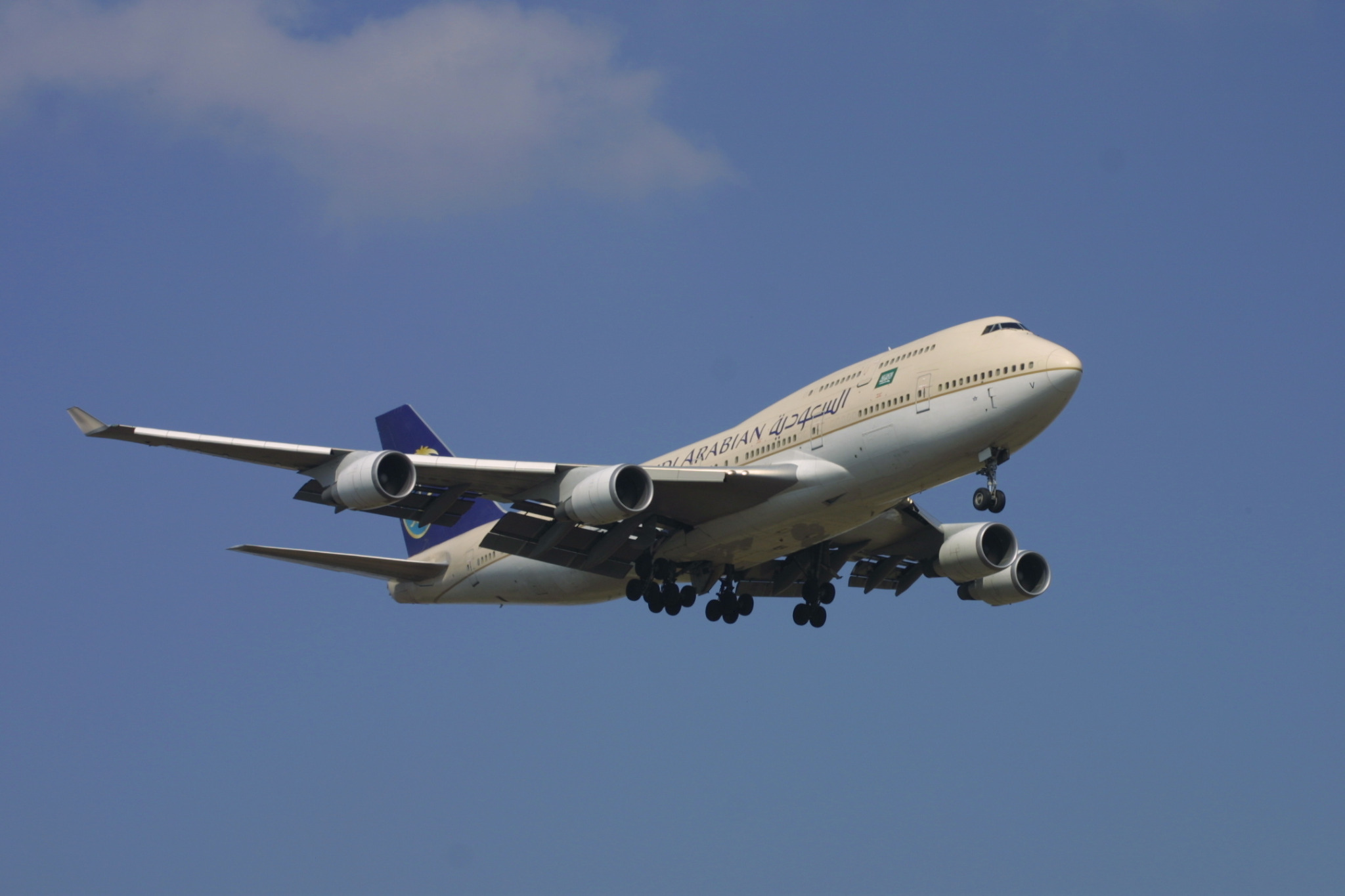
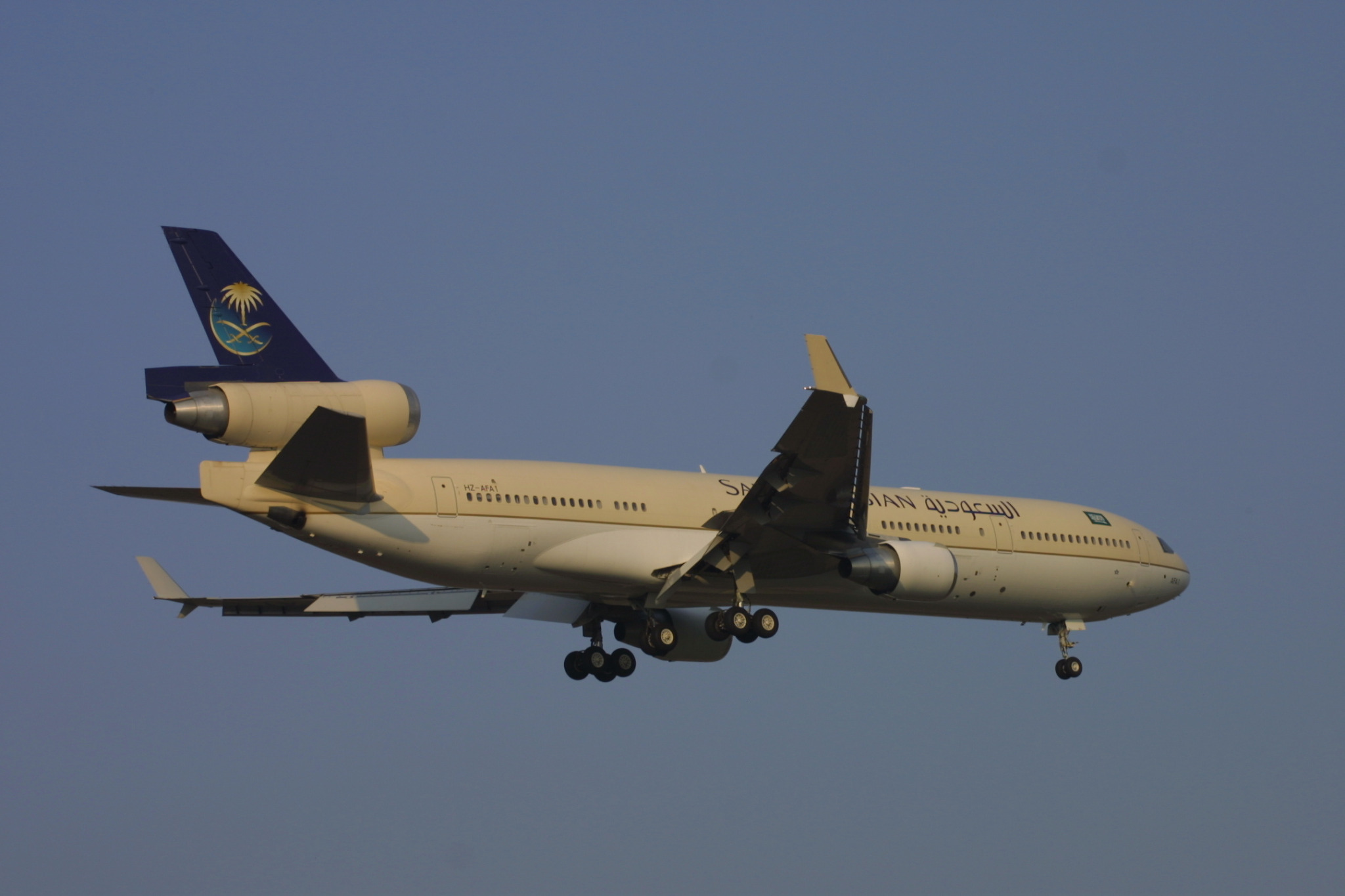
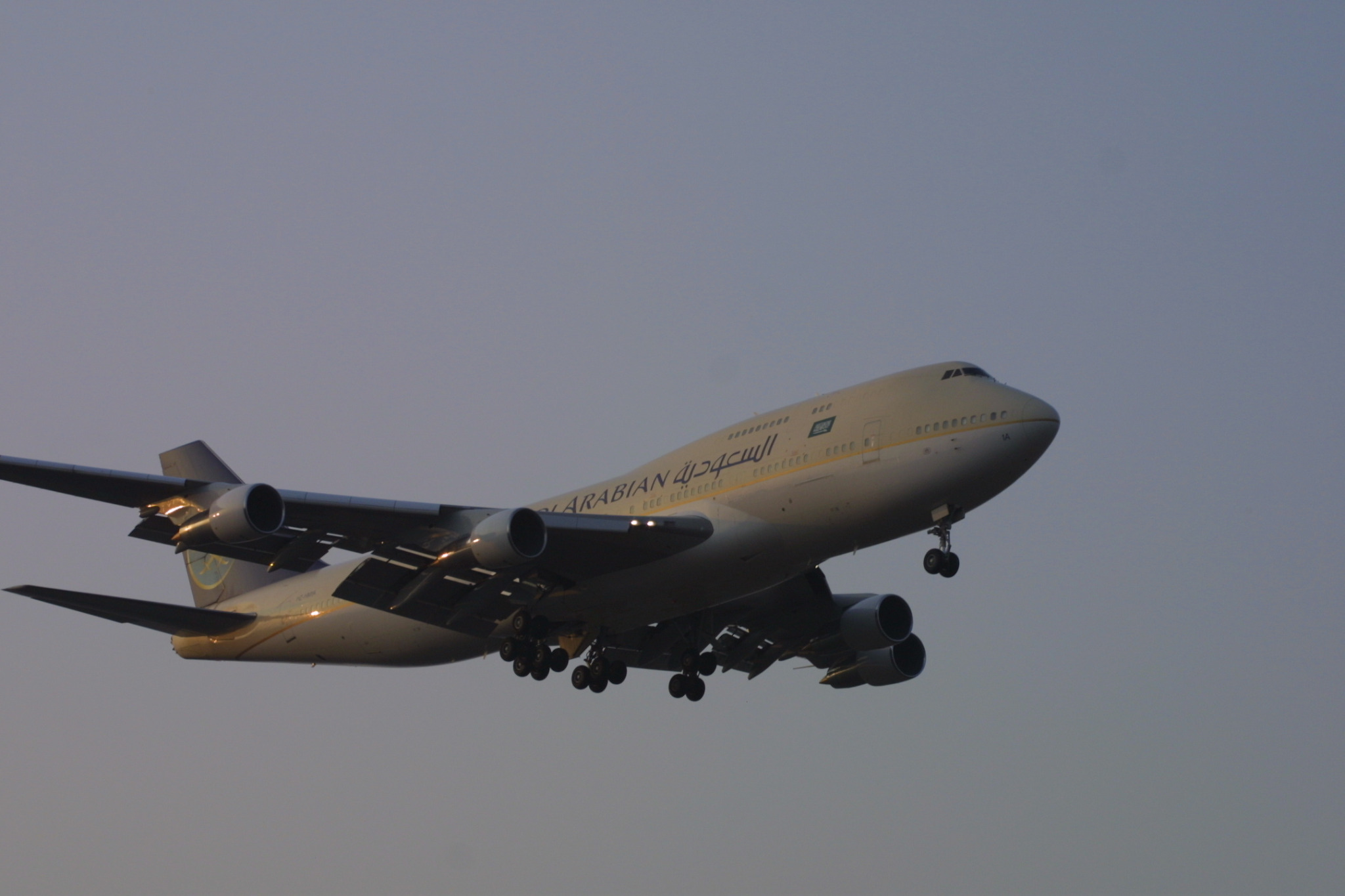
The aircraft KjM had actually driven to Vienna hoping for never appeared. No 747SP. And the day had one final sting: KjM remembers that on the way home many roads around the airport were closed for the visit. He then spent hours sitting in traffic before finally getting away.
2005–2006 — Corfu: ACARSd on the terrace
Corfu became one of KjM and Jürgen H.'s favourite spotting locations. They stayed at the Anna Bousi Apartments directly beside the runway and began their mornings on the terrace with a scanner, laptop and large telephoto lenses. With Corfu operating around the clock, there was rarely a shortage of traffic.
ACARSd was connected to the laptop through the MIC-IN input. That was considerably more sensitive than a proper line input and took some effort to make reliable; KjM remembers getting a few more grey hairs from it. Small source-code adjustments were even made while they were on Corfu. Once it worked, ACARSd became a remarkably useful spotter's early-warning system: decoded traffic often announced an arriving aircraft before it became visible, giving both photographers time to get their cameras ready.
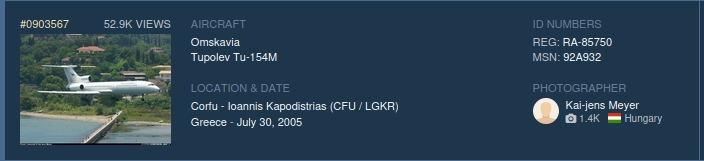
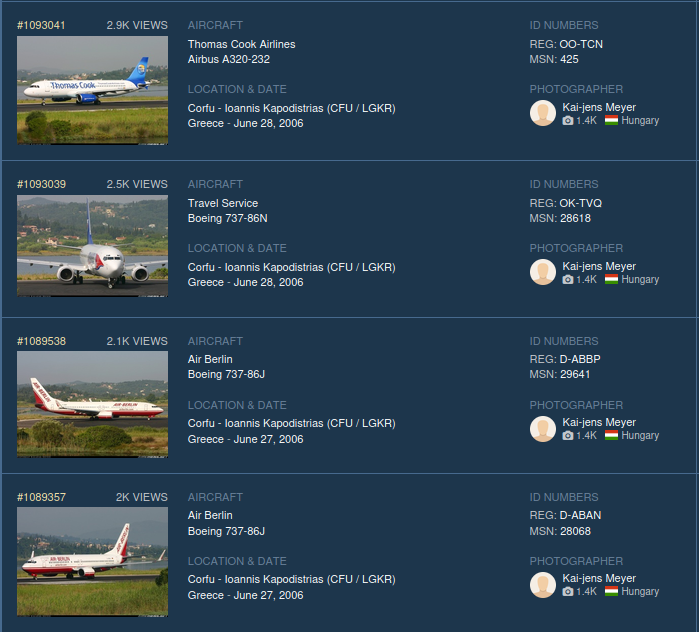
This was the decoder far away from the server room: scanner audio into a laptop microphone input, live messages on the terrace and cameras waiting beside it. When the setup misbehaved, the software could be changed on location.
2006 and later — EL AL, airport security and five bandages
Aircraft photography occasionally collided with a very different aviation culture: security. At Budapest in 2006, KjM was on the public airport terrace only two days after an operation in Germany had removed five moles from his abdomen. Five round dressings were still clearly visible.
When armed security personnel appeared on the terrace, an airport employee noticed his camera and warned him that an EL AL aircraft was arriving and must not be photographed. KjM answered, “I know. I tried yesterday,” and lifted his shirt to reveal the five round bandages. The employee and nearby security staff burst out laughing; KjM remembers her saying that she had nearly wet herself laughing.
Years later, while on the apron at Munich with Chris Witt, the subject returned in a less comic form. Chris suggested moving to a position from which the approaching EL AL aircraft could not even be photographed. Within minutes a police vehicle arrived: the crew had apparently reported photographers. Chris showed his identification and pointed out that the runway was not visible from where they were standing. KjM later watched the aircraft taxi for departure accompanied by security vehicles.
11 September 2008 — Corfu: the A330, László and the jet blast
Corfu remained a regular destination, and in 2008 KjM travelled there with a Hungarian friend couple. Their pension was the Anna Bouzi Kanoni, close to the southern end of the runway and lagoon. From the terrace, aircraft turning at the runway end could be extraordinarily close.
On 11 September, KjM heard on the radio that the regular LTU Airbus A330 was taxiing toward the far end. He called his friend László out to see the big aircraft. László had just stepped out of the shower: a very large man, soaking wet, wearing nothing but his underwear and glowing almost brilliantly white in the Corfu sun.
Normally, KjM remembers aircraft turning so that their engines pointed away from the terrace. This time the A330 turned the other way and briefly increased thrust. Dust, water, leaves and debris crossed the gap. Seconds later László was wearing what looked like improvised camouflage made from the local vegetation.
KjM did not photograph the incident. He remembers being physically incapable of doing much of anything for the next quarter of an hour except laugh.
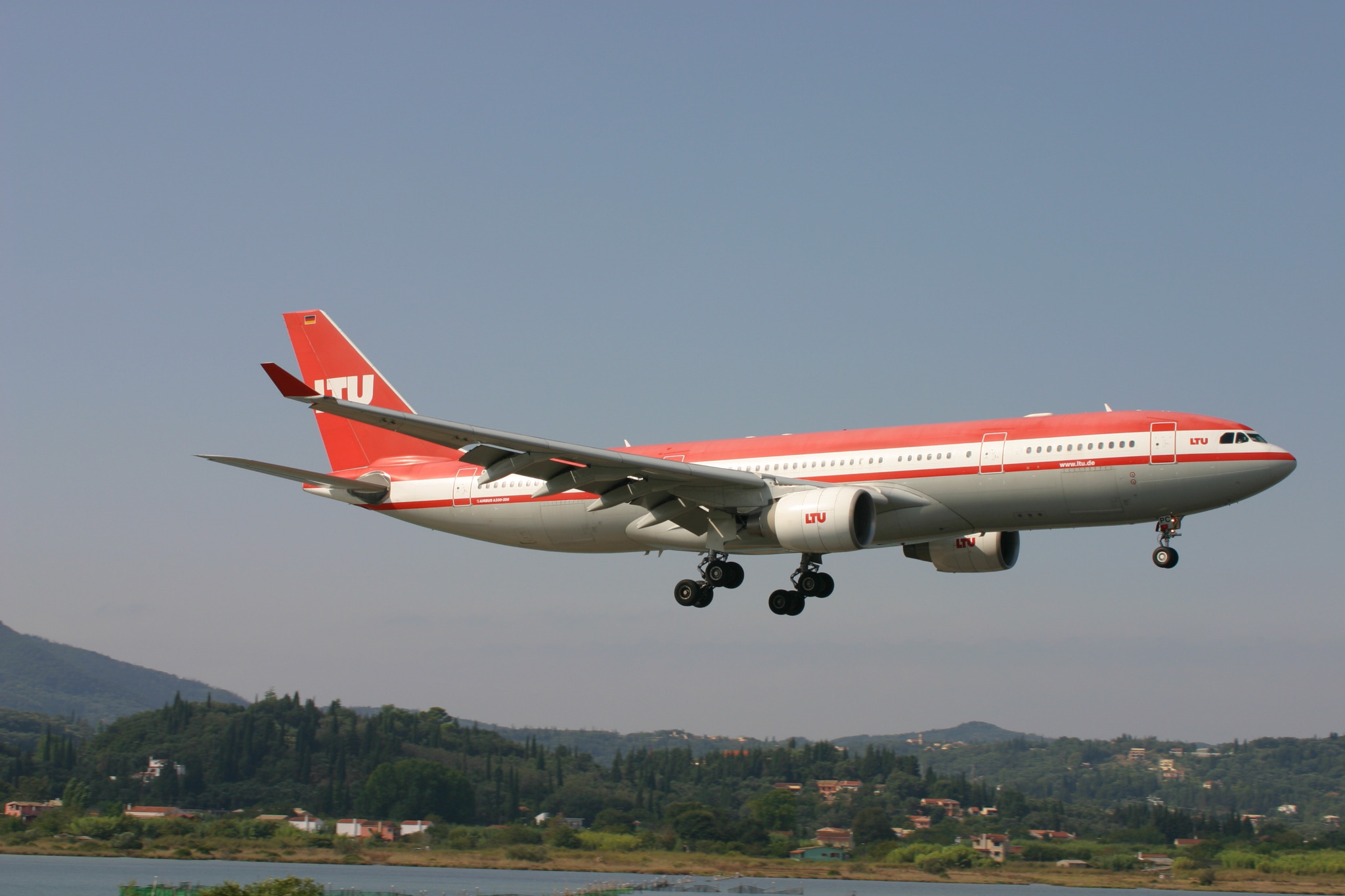
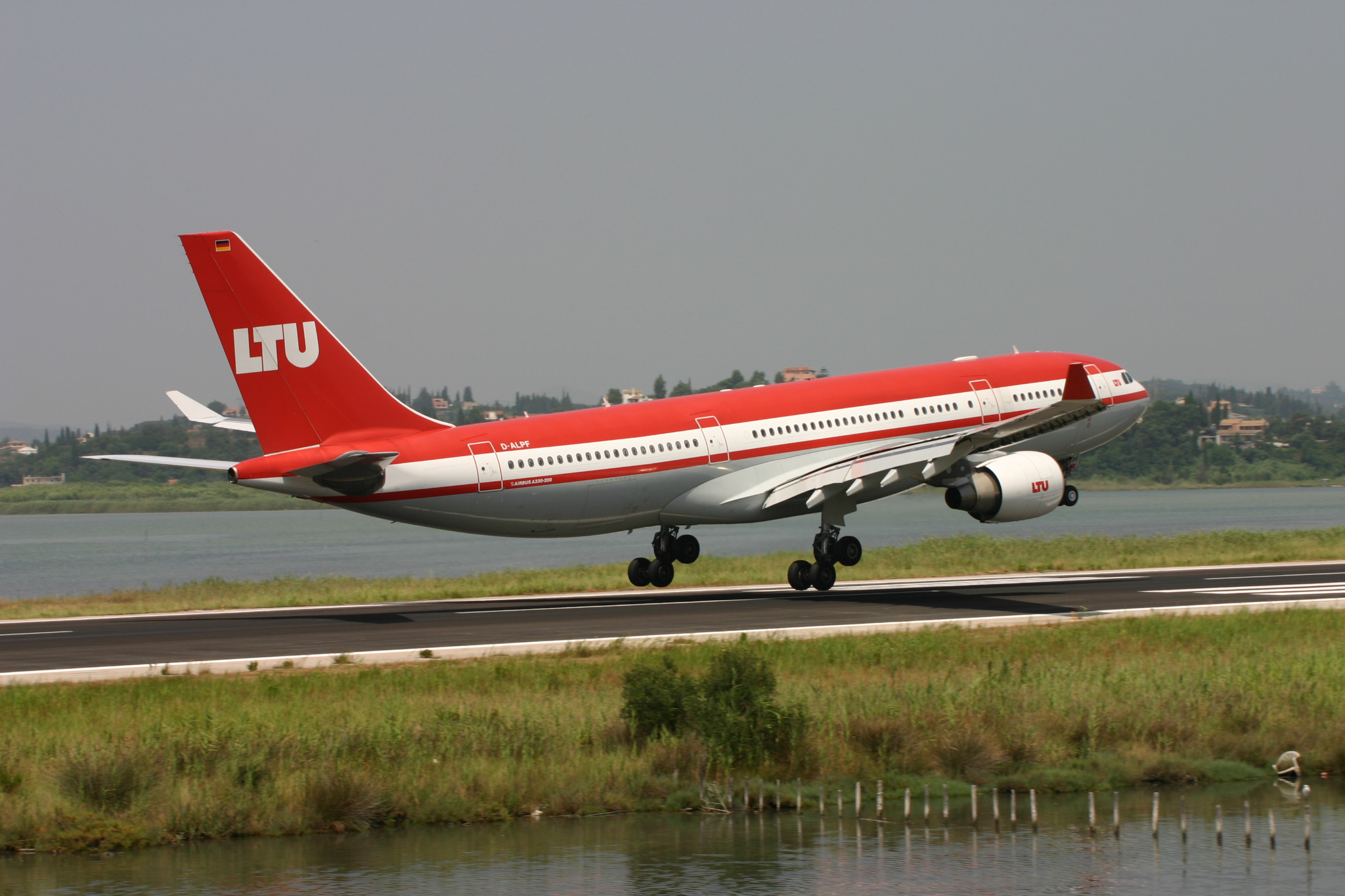
“I am still convinced the pilots had seen László.”
Whether the crew really turned the A330 that way because they had seen him is impossible to establish. The museum records that part exactly for what it is: KjM's amused suspicion twenty years later, not a claim about the crew's intentions.
2008 — the Il-76 that stayed at Sármellék
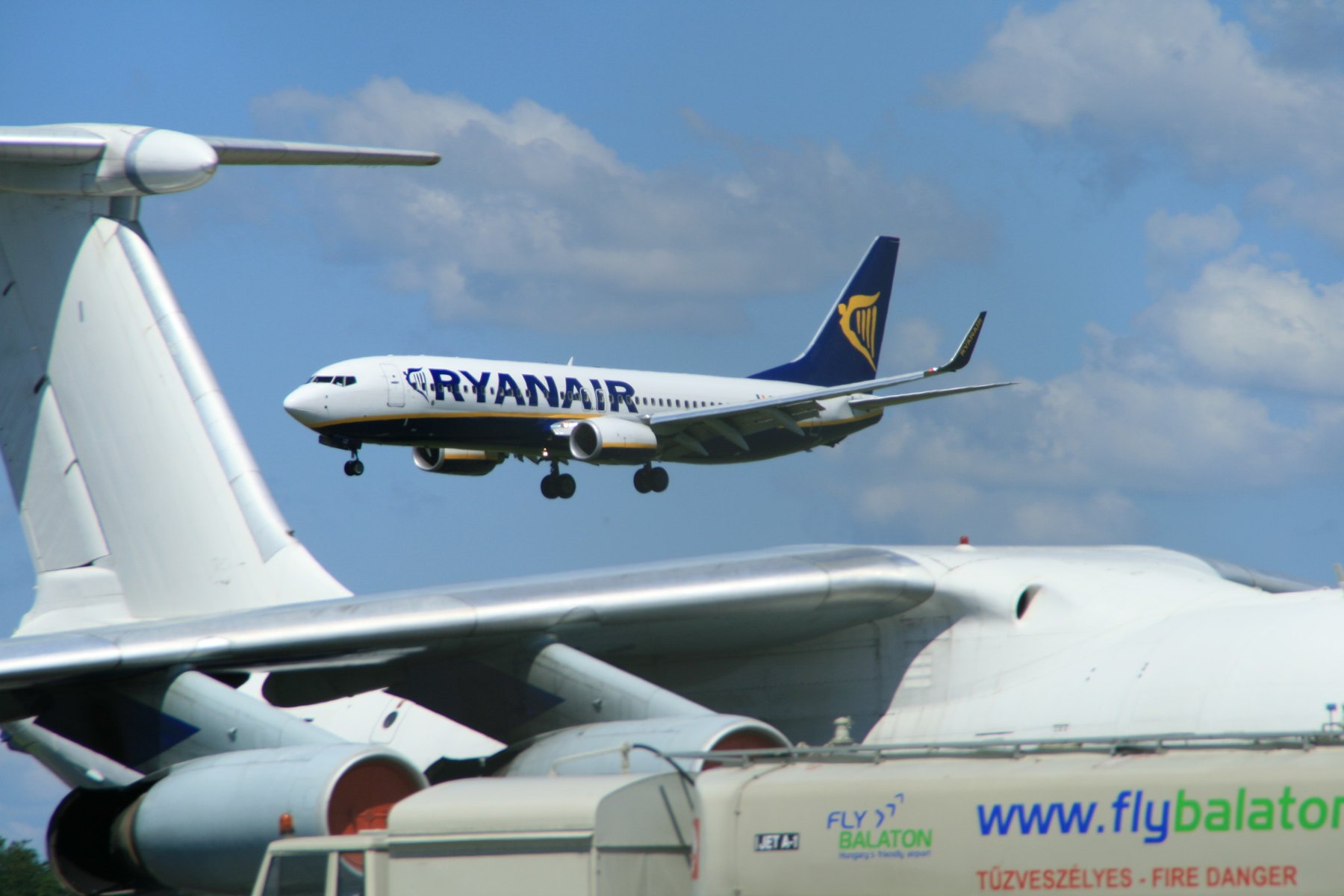
In July 2008, KjM remembers receiving an unexpected call from Sármellék/FlyBalaton Airport: an Ilyushin Il-76 had arrived during the night and the crew had apparently disappeared after landing. The caller offered him access to the apron to photograph the aircraft.
The aircraft was TN-AHT, an Ilyushin Il-76T then associated with Heavylift Congo and previously registered HA-TCI and ER-IBF. KjM photographed it at Sármellék on 14 July 2008.
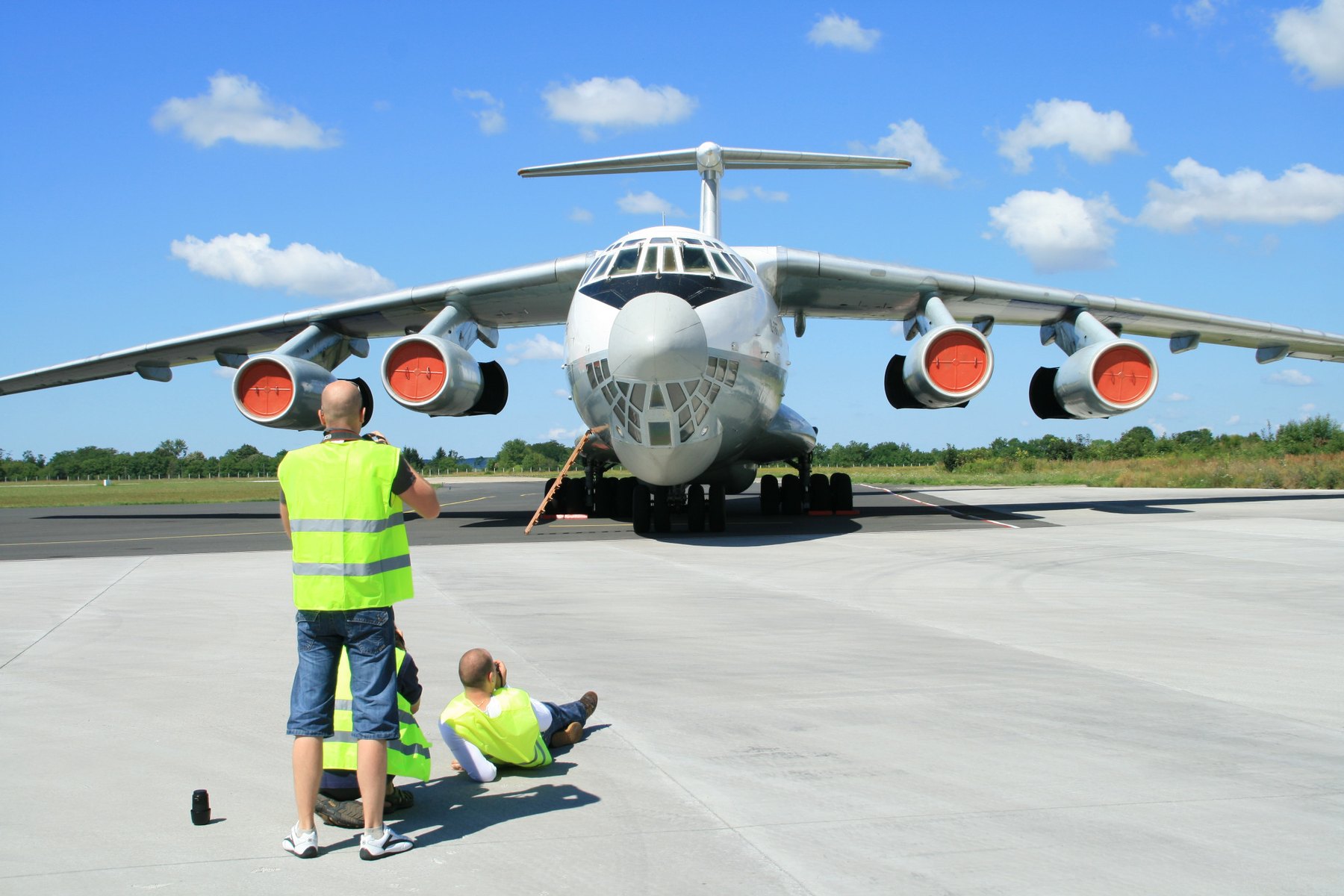
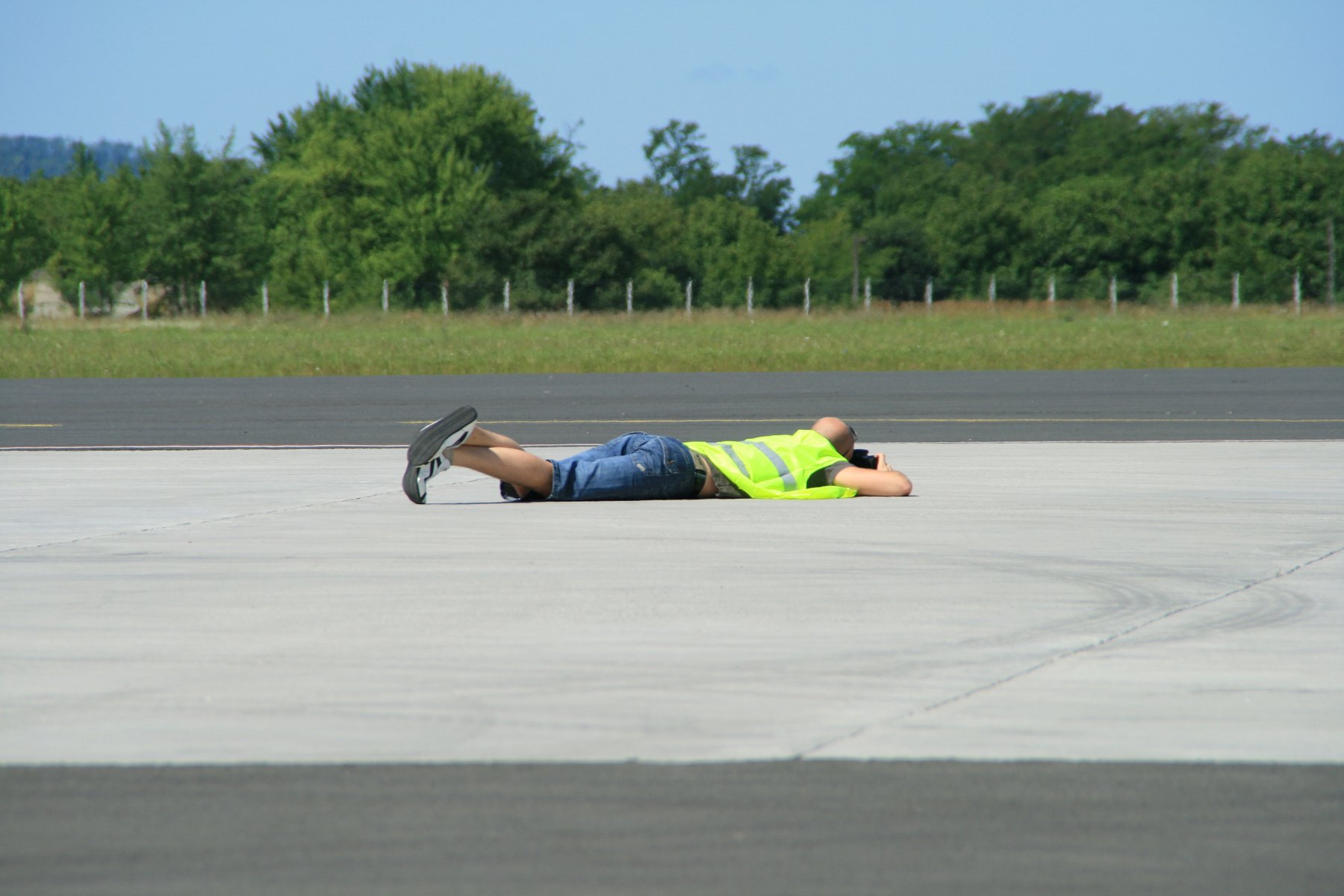
The original camera folder also survived. It shows what “ramp access” actually looked like: high-visibility vests, photographers using every possible angle, and normal FlyBalaton traffic continuing around the unusual long-term visitor.
Later aircraft histories fill in what happened next. TN-AHT remained stored at Sármellék from roughly June 2008 until April 2009. It was registered as EK-76300 for Air Highnesses on 30 March 2009 and departed Sármellék for Yerevan on 3 April 2009. It subsequently returned to service.
Its story ended on 30 November 2012. Operating as EK-76300 on a cargo flight from Pointe-Noire to Brazzaville, the aircraft struck trees and buildings short of runway 05L in poor weather and was destroyed. Accident records report 32 fatalities in the aircraft and on the ground, with 14 additional injuries. This museum records that final chapter soberly, in memory of those who died.
CCCP-86729 → RA-76430 → HA-TCI → ER-IBF → TN-AHT → EK-76300
The preserved production history and later accident records link these registrations through the same airframe, construction number 083410300.
The secret feeder in Oberursel — and why ACARSd learned more sound cards
Some features of ACARSd were not invented from a product roadmap. They existed because somebody in the community needed them.
KjM knew Klaus-Dieter B. at T-Online. Through him came another contributor whose receiver location was deliberately kept private at the time. In August 2026, a conversation with Klaus-Dieter finally recovered the missing detail: the station was in Oberursel, near Frankfurt. KjM remembers him as exceptionally security-conscious — the sort of person who would establish several VPN connections before doing something as ordinary as checking the weather.
His ACARS station was equally unusual: three scanners. He contributed received contacts to the central database but did not make his station available as a public live ACARSd network server. KjM and Klaus-Dieter visited the station twice.
That installation became one of the practical reasons ACARSd had to grow beyond the original stereo “TWO IN ONE” setup and support multiple sound cards and additional receiver channels. Later ACARSd releases documented support for four sound cards and as many as eight scanners.
ACARSd often grew because real users presented real problems: two scanners led to stereo decoding; a three-scanner contributor helped push multi-sound-card support; new digital receivers led to libhomeradar; and FlightGlobal's request for a deliberately simple feeder eventually produced FlightShare2.
2008/2009 — when ACARSd was called a security threat
Around 2008 or 2009, KjM remembers meeting a journalist on the spotting hill beside the runway at Budapest. During a heated discussion, the journalist described ACARSd and its work as potentially supporting terrorism.
KjM strongly disagreed. ACARSd decoded ACARS messages, and only a small fraction of those messages contained position reports. It was not a continuous real-time aircraft tracking system. By then, dedicated receivers for other publicly transmitted aircraft data were already freely available to enthusiasts.
His argument was simple: if somebody genuinely wanted to misuse publicly receivable aviation signals, ACARSd would have been a remarkably poor tool to choose.
Early Google Maps — the most detailed place in Hungary?
When high-resolution imagery first began appearing in Google Maps, coverage was extremely uneven. KjM remembers his friend Klaus-Dieter B. calling with an amusing discovery: he could zoom all the way down to KjM's driveway and even see his car.
The strange part was that much of Hungary — including Budapest — was still shown at far lower resolution. Yet around KjM's home there appeared to be a small island of detailed imagery, perhaps only a few kilometres across.
Why that particular image tile existed is unknown. At a time when ACARSd was attracting an unusual amount of attention, it naturally gave KjM's friends plenty of material for jokes and conspiracy theories.
“Sometimes a map tile is probably just a map tile. Probably.”
2004–2012 — the visitors with unusual hostnames
KjM also remembers periods when the ACARSd Apache access logs contained a conspicuous number of visitors associated with government-related hostnames. Friends joked that one day men in black sunglasses would appear at his front door and take him away.
Those webserver logs no longer survive. KjM's recollection is that the unusual traffic faded away as commercial Mode-S and ADS-B receivers became widespread and live aircraft tracking ceased to be exotic.
In 2011 he applied for a US tourist visa after a friend's suggestion. The application was refused without a reason being given to him. There is no surviving correspondence and no evidence that the refusal had anything to do with ACARSd. His friends, naturally, had theories.
2023 — back to receiving aircraft, briefly
Roughly twenty years after ACARSd began, KjM read that inexpensive USB DVB-T/DAB receivers could be used for ADS-B. Naturally, he had to try it.
He bought a stick, downloaded and compiled dump1090, connected everything — and received absolutely nothing. After some troubleshooting he discovered the highly sophisticated technical problem: he had bought a receiver with the wrong chipset.
The correct RTL-SDR stick arrived, dump1090 was started again, and aircraft appeared on the screen once more. Satisfied that it worked, KjM barely used it afterwards. The receiver is now somewhere among his computer parts, gathering dust.
“Apparently proving that it still worked was more important than actually using it.”
Why preserve these stories?
A live decoder is useful for seconds. A network is useful while it is running. An archive can become useful years later, for reasons nobody imagined when the data was first received.
That became one of the unexpected legacies of ACARSd: a hobby project built around a scanner and Linux accumulated an independent history of aircraft communications and movements. Sometimes people came looking for that history.
Previous story: when the data became valuable — EUclaim and Martinair →